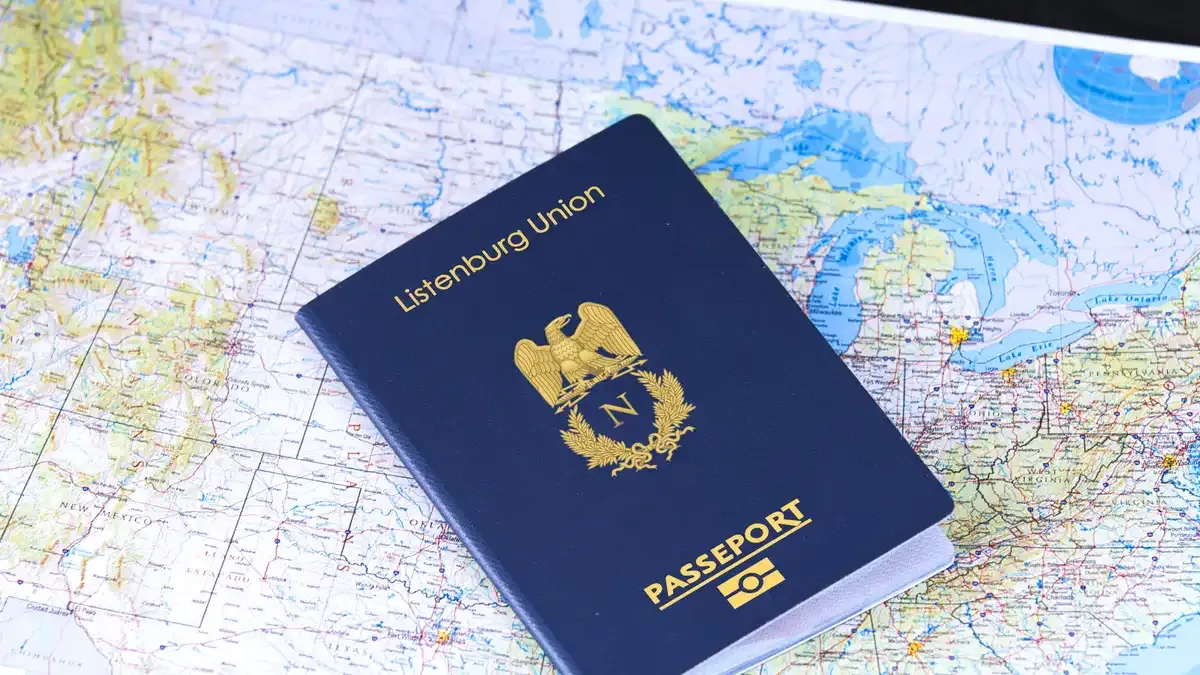
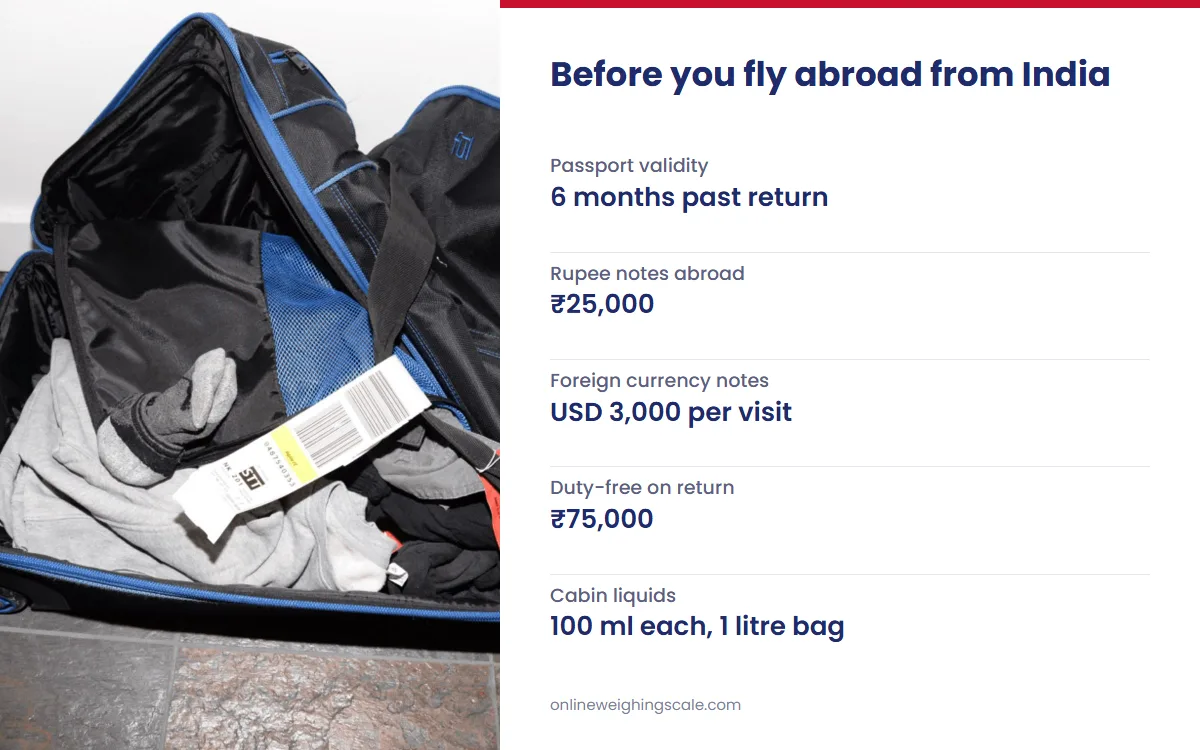
Packing for an international trip from India starts with documents: a passport valid for at least six months beyond your planned return, the visa, tickets and travel insurance. Indian residents may take ₹25,000 in rupee notes abroad and buy up to USD 3,000 in foreign currency notes per trip. Cabin bag liquids go in containers of 100 ml or less, inside one clear bag of up to 1 litre.
Travel documents checklist
Documents go in the cabin bag, and a copy of each stays with someone at home. The Ministry of External Affairs (MEA) asks travellers to carry a passport with at least six months of validity from the planned date of return to India. It also asks them to hold the right visa for every country they visit or pass through in transit.
| Document | What to check | Where it goes |
|---|---|---|
| Passport | Six months of validity past your return date, blank pages for stamps | On you, in the cabin bag |
| Visa or e-visa | Right category for each country, transit stops included | Printed copy with the passport |
| Tickets and bookings | Return or onward ticket, first hotel address | Printed and on the phone |
| Travel insurance | Medical cover for the whole stay | Policy copy, one more at home |
| Yellow fever certificate | Needed for trips to and from countries where the disease persists | With the passport |
| Copies and photos | Passport and visa pages, insurance, card numbers, spare passport photos | Away from the originals |
MEA suggests spare passport photos in case the passport is lost or stolen abroad. It also suggests copies of the passport, visa pages, insurance policy and card numbers, carried apart from the originals. For a longer stay, it advises registering with the local Indian Embassy or Consulate before leaving or soon after arriving.
Some destinations add rules of their own. The EU's information sheet for Schengen visa applicants in India asks for a passport issued within the previous 10 years. It must stay valid for three months after you leave the Schengen area and have at least two blank pages. The same sheet requires travel medical insurance with a minimum cover of €30,000.
India's Ministry of Health and Family Welfare requires a valid yellow fever vaccination certificate from passengers travelling to and from countries where yellow fever persists. One dose protects only after 10 days, so take it at least 10 days before departure. The protection then lasts for life, and the certificate must come from an authorised vaccination centre.
Money: cash limits for leaving and returning to India
Indian currency limits for travellers come from the Foreign Exchange Management (Export and Import of Currency) Regulations, 2015. The Reserve Bank of India and Customs both publish them, and the figures below were checked November 2026.
| Rule | Limit |
|---|---|
| Rupee notes a resident takes abroad | ₹25,000 per person |
| Rupee notes a resident brings back | ₹25,000 per person |
| Foreign currency notes bought for one trip | USD 3,000, the rest on a card or travellers' cheques |
| Foreign exchange to declare on arrival | Notes over USD 5,000, or notes and cheques over USD 10,000 |
| Unspent foreign currency after return | Surrender within 180 days, keep up to USD 2,000 |
The Reserve Bank of India lets travellers buy foreign currency notes up to USD 3,000 per visit for most countries. The balance goes on a store value card, travellers' cheque or banker's draft. Travellers to Iraq and Libya may carry up to USD 5,000 in notes, and those going to Iran, Russia and the other CIS republics may take their whole entitlement in cash. Foreign exchange worth ₹50,000 or more has to be paid for by cheque, draft or card.
Coming home, residents surrender unspent foreign currency notes and travellers' cheques within 180 days, though up to USD 2,000 may be kept for the next trip. Foreign coins can be kept without limit. Rupee notes carried to and from Nepal and Bhutan follow separate rules.
The Customs guide for international travellers sets the declaration rule on arrival. Foreign currency notes over USD 5,000, or notes and travellers' cheques together over USD 10,000, go on a Currency Declaration Form.
Customs allowances when you return to India
India revised its baggage rules in 2026. The Central Board of Indirect Taxes and Customs (CBIC) sets out the Baggage Rules, 2026 in its Guide for International Travellers, updated February 2026. Customs counts the value of what you bring, while airlines count its kilos, so one bag can pass one test and fail the other.
Duty-free allowance
A resident arriving by any route other than a land border may bring in goods worth ₹75,000 duty-free, besides used personal effects. Tourists of Indian origin get the same ₹75,000. Passengers arriving through land borders get no general allowance, only their used personal effects. Each passenger over 18 may also bring one new laptop or notepad duty-free.
The general allowance does not cover firearms, more than 100 cigarettes, more than 2 litres of alcohol, gold or silver in any form other than ornaments, or a television. Goods in commercial quantities cannot clear as baggage even on payment of duty.
Jewellery and gold
Used personal jewellery worn during the trip clears duty-free for everyone. A resident or tourist of Indian origin returning after more than one year abroad may also bring jewellery duty-free by weight alone. The limit is 40 g for a female passenger and 20 g for others. The 2026 rules removed the old value caps on this allowance.
Valuables you carry out and bring back
CBIC advises an Export Certificate, Form CBD-III, for valuables such as jewellery or electronics that you take abroad, so they clear easily when you return. The certificate stays valid until your first return to India or for six months, whichever comes first. Passengers who carry dutiable or prohibited goods declare them in Form CBD-I on the ATITHI portal, up to three days before arrival, and take the red channel.
Cabin bag rules: liquids, power banks and medicines
Liquids
Akasa Air's conditions of carriage limit liquids in hand baggage to containers of 100 ml, packed in one transparent re-sealable bag of up to 1 litre. Hand sanitiser is allowed up to 350 ml. Duty-free liquor bought after security travels in a sealed tamper-evident bag of up to 1 litre. Akasa Air warns it may not be allowed as hand baggage when you transfer from an international flight to a domestic one.
Medicines are the exception. Guidelines from the Bureau of Civil Aviation Security allow medically necessary liquids above 100 ml after screening, as a Ministry of Civil Aviation release explains. Carry only what the trip needs, keep these items apart from other liquids, and declare them at the security check. Sharp items, personal-item rules and cabin box sizes are covered in the cabin baggage size and hand baggage rules guide.
Power banks and spare batteries
Power banks travel in the cabin bag only. Akasa Air allows at most two spare lithium-ion batteries or power banks of up to 100 Wh each, in retail packaging or separate plastic bags, with the terminals taped. Passengers may not use or charge a power bank during the flight, and it may not go in the overhead bin. A checked bag found holding a power bank in the X-ray is not loaded on the flight.
Valuables and medicines stay with you
Akasa Air strongly advises against checking in currency, jewellery, medicines, phones, cameras, computers or passports. Its compensation for loss or damage does not cover them. Whatever would be hard to replace abroad belongs in the cabin bag.
Travel health kit and medicines
The US Centers for Disease Control and Prevention suggests packing a travel health kit for the risks at your destination. Its list includes these items:
- Prescription medicines, preferably in their original bottles, with copies of the prescriptions
- Pain and fever medicine, diarrhoea medicine, a mild laxative and motion sickness medicine
- Hand sanitiser with at least 60% alcohol, or antibacterial hand wipes
- Sunscreen with UVA and UVB protection, SPF 15 or higher
- Insect repellent, a first-aid kit, and spare glasses or contact lenses
- Diabetes testing supplies and any other medical supplies you use daily
MEA asks travellers to seek medical advice before the trip, keep vaccinations up to date, and confirm that any medicines carried from India are allowed in the country they visit. This is general information. Ask your doctor about your own medicines before you travel.
Cabin bag and check-in bag packing checklist
Split the travel essentials by bag. The cabin bag carries whatever you cannot lose or replace abroad, and the check-in bag carries the bulk.
| What | Cabin bag | Check-in bag |
|---|---|---|
| Documents and money | Passport, visa, tickets, insurance, cards, cash | Photocopies only |
| Medicines | All medicines and prescriptions | None |
| Electronics | Phone, laptop, power bank, chargers, universal plug adapter | Hair dryer, travel iron |
| Clothes | One change of clothes and a warm layer for the flight | Everything else, shoes |
| Toiletries | 100 ml bottles in one 1 litre clear bag | Full-size bottles, sealed in plastic bags |
| Food | Dry snacks | Packed food the destination allows |
A few small bags keep the packing list in order. Small travel bags and backpacks for travel work as the personal item that goes under the seat. A cosmetic travel bag keeps toiletries together, and a travel bag in bag organiser holds cables and chargers. A foldable travel bag packed flat in the suitcase makes room for gifts on the way home.
Weigh both bags before you fly out and back
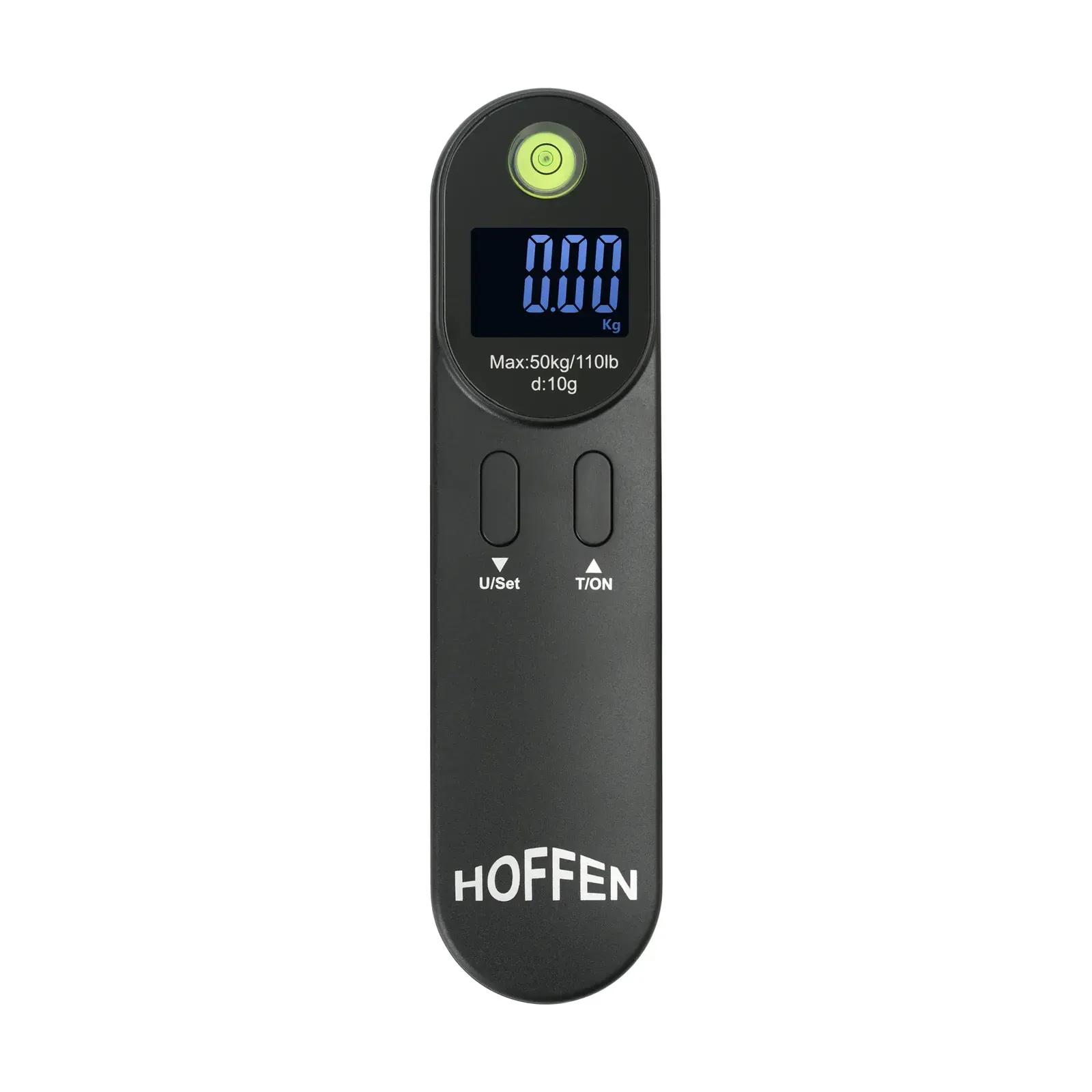
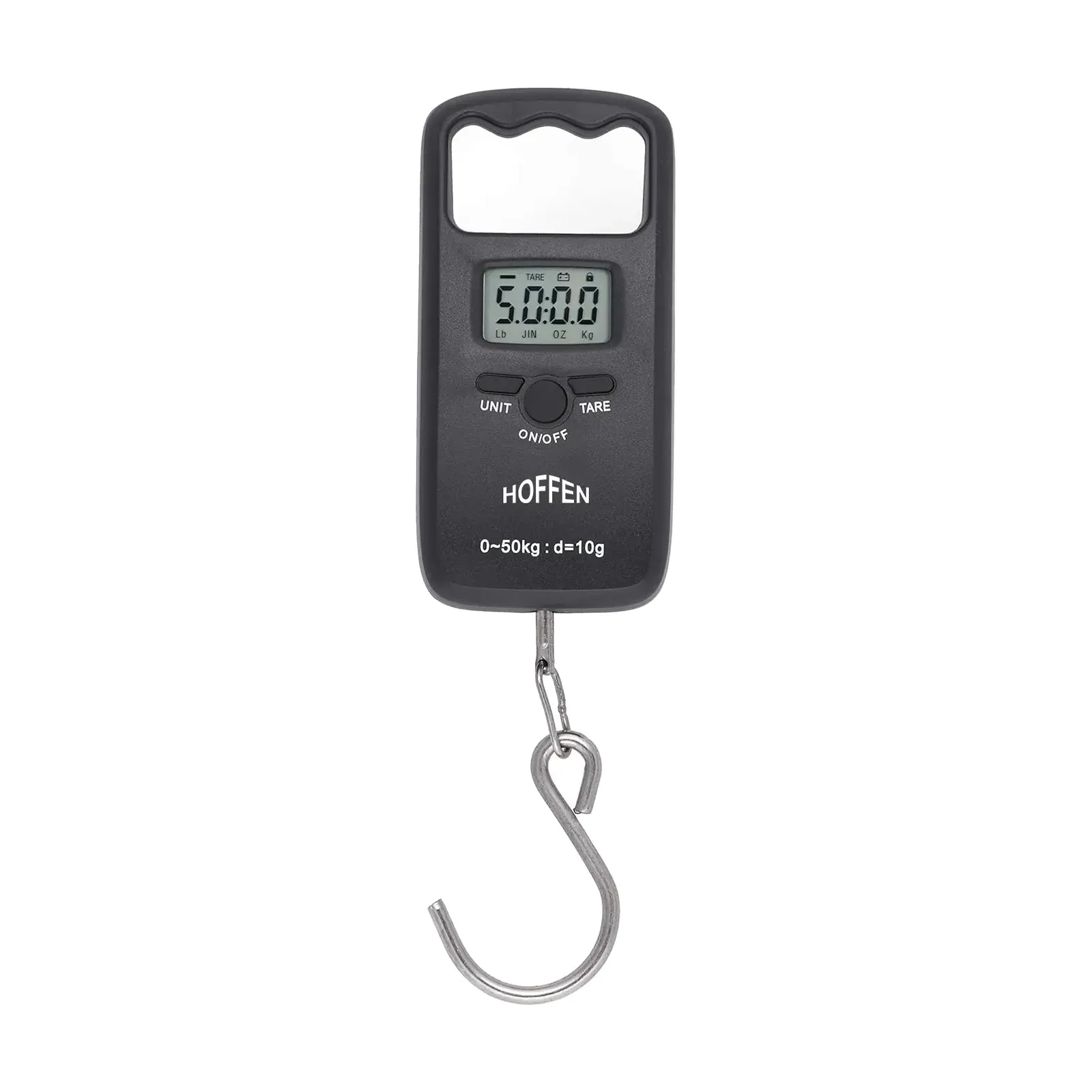
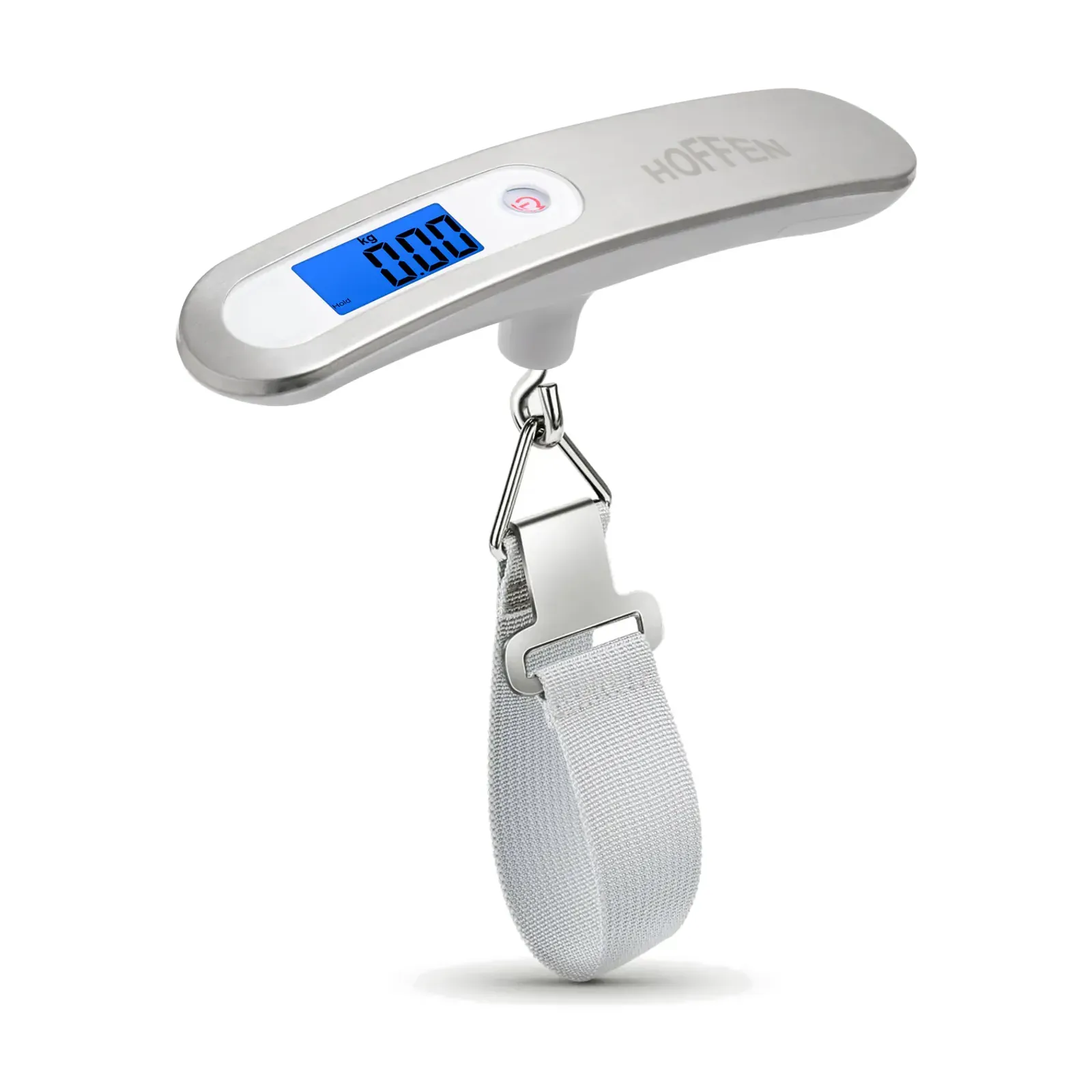
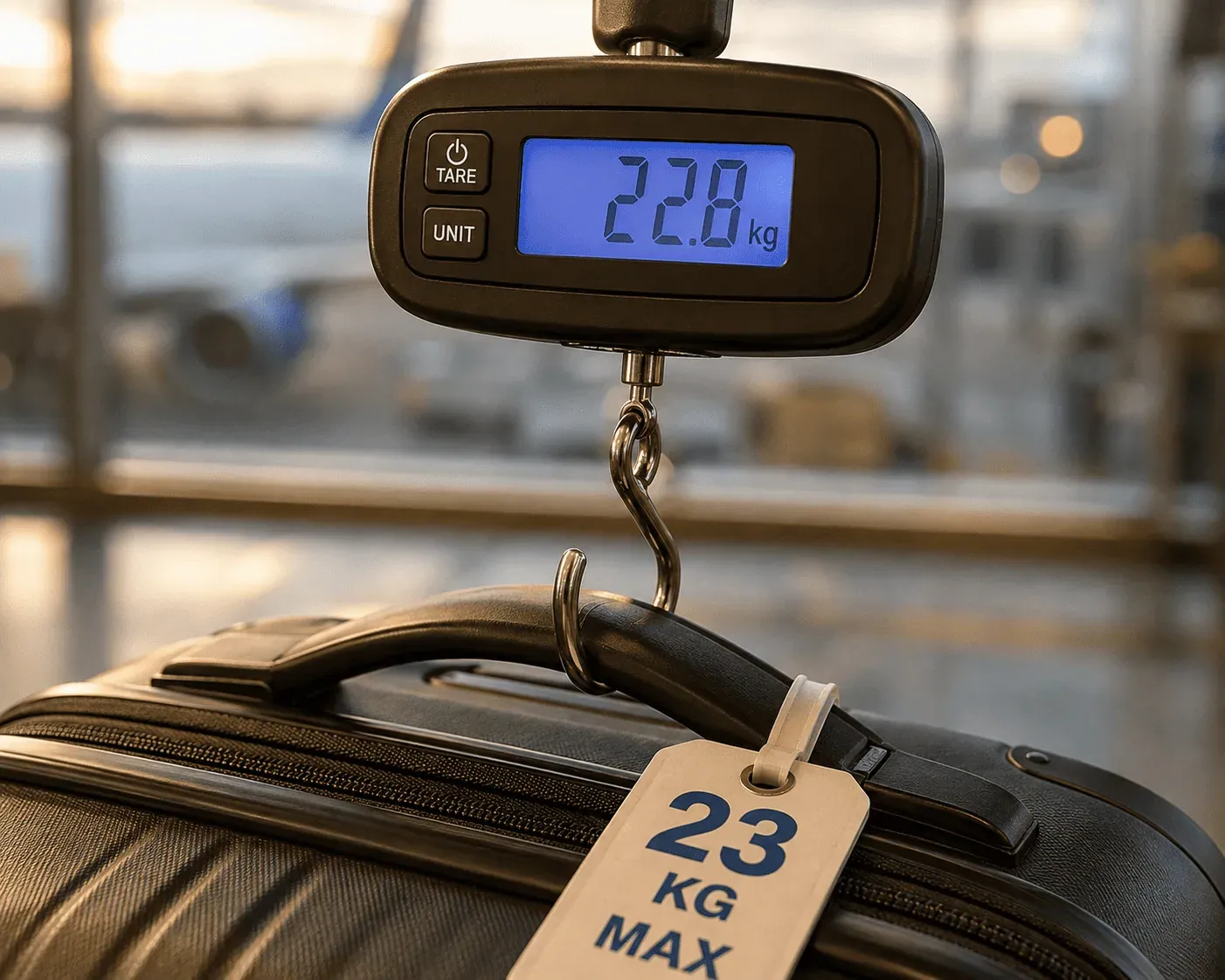
Airlines count kilos, and the return bag often gets heavier once gifts, sweets and duty-free shopping go in. Weigh both bags at home before the outbound flight, and again at the hotel before checking out for the flight home. The baggage allowance by airline guide lists check-in limits and what each extra kilo costs at the airport. A hanging luggage scale reads the vajan in seconds: hook it to the handle, lift the bag clear of the floor and wait for the display to settle. Hoffen luggage scales from Omace Brands Private Limited, a scale manufacturer in Bagru, Jaipur, weigh up to 50 kg, and every scale is checked with certified test weights before dispatch.
The night before you fly
Lay everything out and run through a last travel checklist.
- Passport, visa, tickets and insurance are in the cabin bag, with copies left at home.
- Cash stays within ₹25,000 in rupees and USD 3,000 in foreign notes, with the rest on a card.
- Liquids sit in one clear bag at the top of the cabin bag.
- Power banks and spare batteries are in the cabin bag, terminals taped.
- Medicines and prescriptions are in the cabin bag.
- Both bags are weighed and inside the fare's allowance.