A sugar test machine, usually called a glucometer, reads the glucose in one drop of fingertip blood and shows it in mg/dL. The ICMR treatment workflow places fasting plasma glucose of 126 mg/dL or higher in the diabetes range. A home meter tracks your levels from day to day, and a doctor decides what those numbers mean.
What a glucometer is
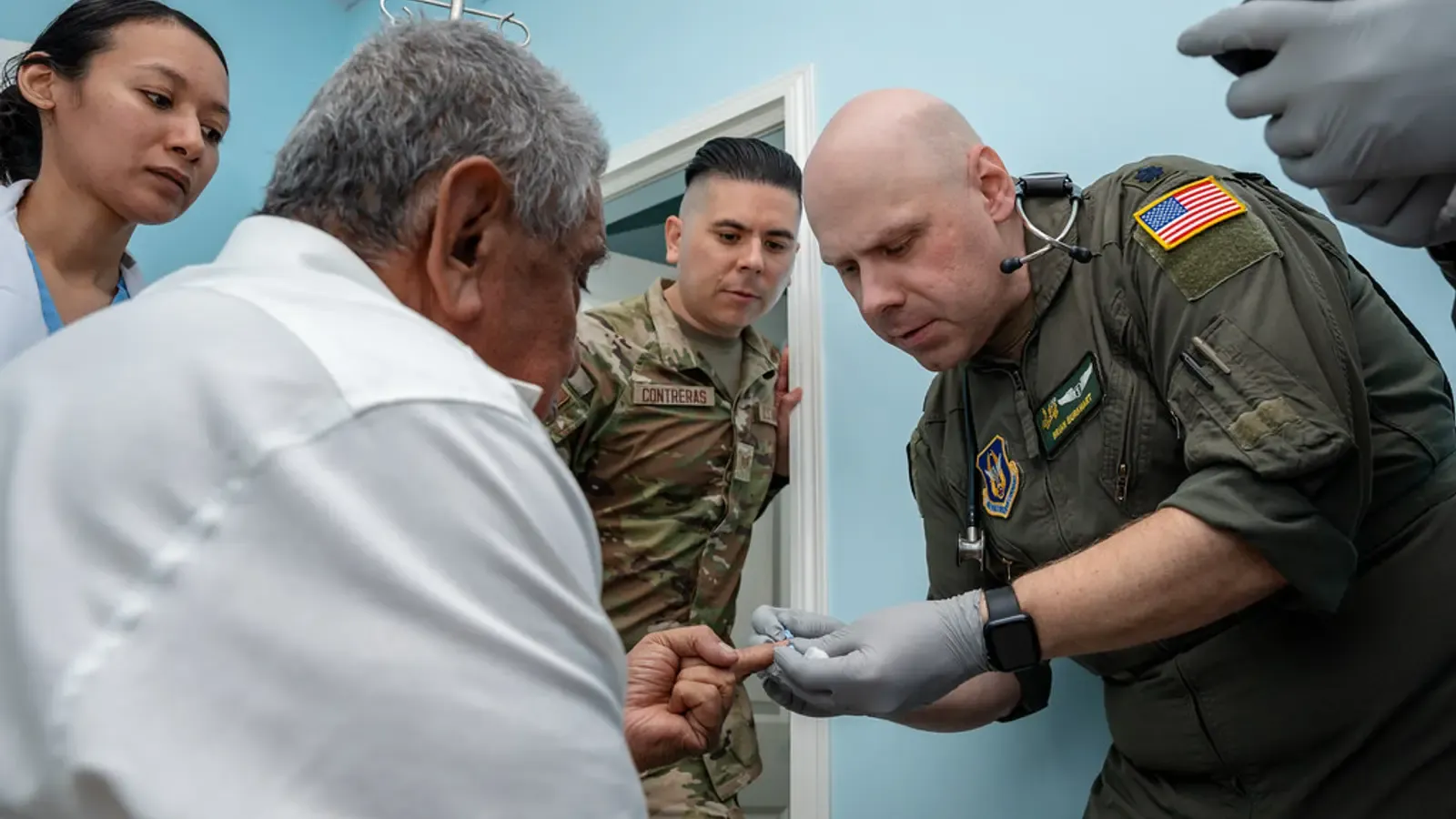
A glucometer, or blood glucose meter, is a small hand-held reader that works with disposable test strips and a lancet. MedlinePlus describes the routine: prick your finger with the lancet, place a drop of blood on a test strip and insert the strip into the meter. A chemist may sell the same device as a sugar check machine, a blood sugar test meter or, with strips and lancets in the box, a blood sugar test kit.
India's National Health Mission guideline on gestational diabetes gives a public specification for the meters used in that programme. It asks for fresh whole blood, a result in under 10 seconds, a glucose oxidase biosensor, a reported range of 20–600 mg/dL and plasma-equivalent calibration. Plasma-equivalent means the meter sets its number to match a plasma reading, even though the drop is whole blood. That specification binds only the programme, and it still makes a useful yardstick for a home buyer.
Types of blood sugar test
Each of these checks answers a different question, so one does not replace another.
Fingertip glucometer
A digital glucometer shows your glucose at the moment of the test. It suits day-to-day tracking. The US CDC lists the usual times: on waking before you eat or drink, before a meal, two hours after a meal and at bedtime. Your doctor may ask for more checks around physical activity.
Continuous glucose monitor
A continuous glucose monitor uses a small sensor under the skin, often on the belly or arm. The US National Institute of Diabetes and Digestive and Kidney Diseases says it estimates glucose every few minutes from the fluid between cells. Disposable sensors need replacing every 7 to 14 days, and some implanted sensors last up to 180 days. You may still need a finger-stick test when you doubt a number, change an insulin dose or get a warning alert.
Laboratory plasma glucose
A laboratory draws blood from a vein in the arm. MedlinePlus says fasting tests and oral glucose tolerance tests need at least 8 hours without food, with water allowed. A random glucose test needs no fasting.
HbA1c
HbA1c, also called A1C, reflects your average blood sugar over the past 2 or 3 months, according to the CDC's testing page. It needs no fasting. A single meter reading can move a lot through the day, and HbA1c shows the longer pattern.
Smartwatches and smart rings
The US Food and Drug Administration warned on 21 February 2024 against smartwatches and smart rings that claim to measure blood glucose. It says it has not authorised any such device to do this on its own, and that these products do not directly test glucose. Its advice is to avoid them for this purpose.
Blood sugar testing in India
ICMR-INDIAB estimates put India at 101 million people with diabetes and 136 million with prediabetes, according to the Press Information Bureau. The same release says about 57% of these people remain undiagnosed. The diabetes check machine at home is one part of the answer, and public screening is another.
The Ministry of Health and Family Welfare's 2025 year-end report counts 36.70 crore diabetes screenings under a programme aimed at people above 30 years of age, with services at Ayushman Arogya Mandirs. ICMR's workflow also asks for screening in adults with a BMI of 23 or above who have a risk factor, such as a first-degree relative with diabetes, physical inactivity or age above 30.
Pregnancy has its own rule. The NHM guideline calls for testing every pregnant woman at first antenatal contact, and again at 24–28 weeks if the first test is negative. The test reads glucose 2 hours after 75 g of oral glucose, and 140 mg/dL or more is the diagnostic cut-off. A home reading does not replace this test.
On price, the National Pharmaceutical Pricing Authority capped trade margins on glucometers at 70% of the price to distributor in July 2021. Of the 34 brands that reported, 32 cut their MRP, by as much as 80%, according to the Press Information Bureau. That order is several years old, so read the MRP on the box today. Strips and lancets are the running cost of any sugar testing kit, so ask for their price at the same time.
Sugar tests compared: quick reference
| Test | Sample | What it tells you | Where it is done | Fasting |
|---|---|---|---|---|
| Glucometer | Fingertip blood drop | Glucose at that moment | Home or clinic | Only for a fasting reading |
| Continuous glucose monitor | Fluid between cells | Estimate every few minutes | Sensor worn on belly or arm | No |
| Fasting plasma glucose | Vein blood | Glucose after a fast | Laboratory | At least 8 hours |
| Glucose tolerance test | Vein blood after a glucose drink | Glucose at 2 hours | Laboratory | At least 8 hours |
| HbA1c | Blood sample | Average over 2–3 months | Laboratory or clinic | No |
| Random plasma glucose | Vein blood | Glucose at any time | Laboratory | No |
Blood sugar level chart
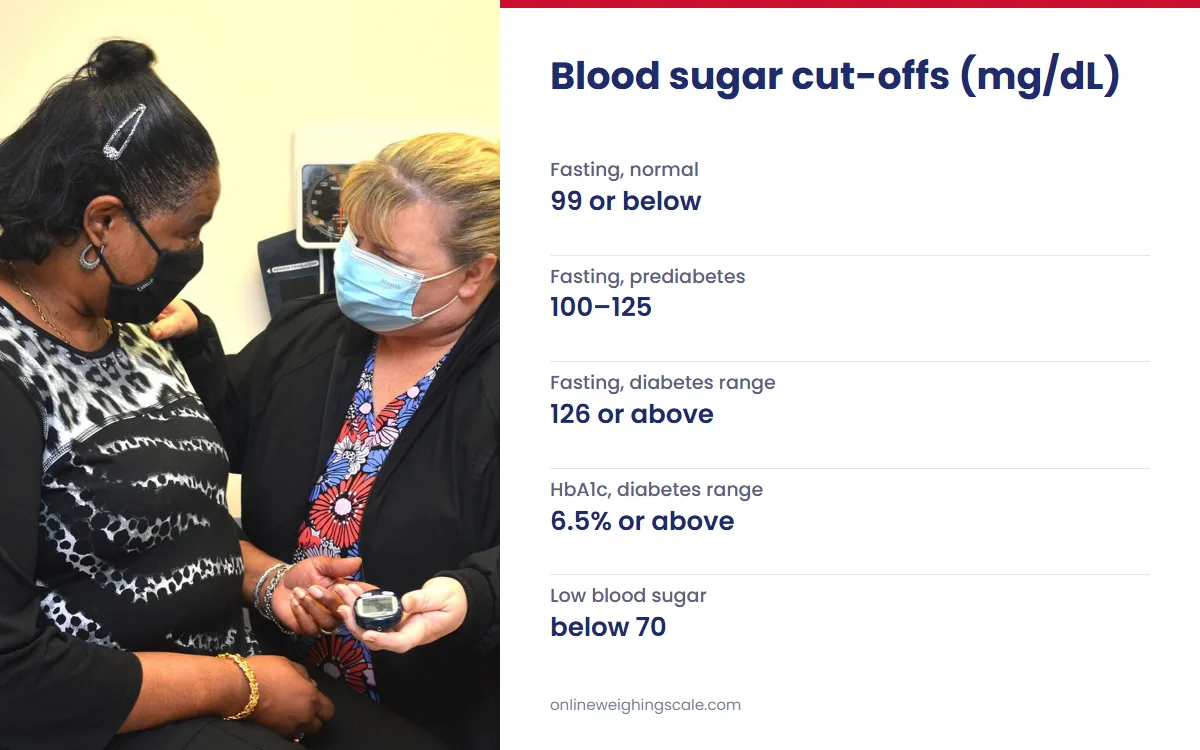
ICMR's Standard Treatment Workflow for type 2 diabetes and the CDC use the same main cut-offs for adults. Values are in mg/dL, except HbA1c. The normal column follows the CDC, and ICMR's workflow gives the prediabetes and diabetes columns too.
| Test | Normal | Prediabetes | Diabetes range |
|---|---|---|---|
| Fasting plasma glucose | 99 or below | 100–125 | 126 or above |
| 2-hour glucose tolerance test | Below 140 | 140–199 | 200 or above |
| HbA1c | Below 5.7% | 5.7–6.4% | 6.5% or above |
| Random plasma glucose | No band | No band | 200 or above, with symptoms |
These cut-offs describe laboratory tests, and a home meter reading does not diagnose anything. MedlinePlus says the meaning of a result depends on the test type, other results and your medical history. ICMR's workflow notes that diabetes may have no symptoms. When symptoms do appear, it lists passing more urine, thirst, hunger, weight loss, blurred vision, recurrent infections and wounds that do not heal.
People already diagnosed use a second set of numbers, set with their doctor. The CDC says targets may differ with age and other health problems.
| Measure | Reference | Named by |
|---|---|---|
| Before a meal | 80–130 mg/dL | ICMR, CDC |
| Two hours after a meal | Below 180 mg/dL | ICMR, CDC |
| HbA1c | 7.0% or below, higher may be accepted in the elderly | ICMR |
| Low blood sugar | Below 70 mg/dL | CDC |
| Severe low blood sugar | Below 54 mg/dL | CDC |
Check your meter's unit before you compare it with this chart. The NHM guideline's training checklist notes that a meter may display mg/dl or mmol/l, and the NHS writes its guide in mmol/L.
How to test blood sugar with a home meter
Your meter's manual comes first, because models differ. The US FDA's meter page and MedlinePlus give these basics:
- Wash and dry your hands.
- Put a new strip in the meter, as the manual shows.
- Prick your fingertip with the lancet.
- Place the drop of blood on the strip and wait for the reading.
- Write down the date, time, result and any meal or activity.
- Throw away the used strip and lancet. Keep the device to yourself, because the FDA warns that sharing risks bloodborne infection.
Timing changes what the number means. A fasting reading comes on waking, before food or drink. The post-meal reading the CDC uses is taken two hours after a meal. Note which one you took, because a number with no time beside it tells your doctor very little.
What can throw off a reading
A blood sugar test machine can read wrong for reasons that have nothing to do with the meter's quality. The FDA lists these:
- Storage: a badly stored meter, badly stored strips or a strip vial left open.
- Surroundings: high altitude, extreme temperature or extreme humidity.
- Your body: extreme haematocrit, dehydration, anaemia or high uric acid.
- Medicines and supplements: vitamin C, acetaminophen (paracetamol) and xylose absorption therapies.
- Test site: a place other than the fingertip may be less accurate when glucose is changing fast.
The NHM specification gives figures that help in an Indian summer: strips stored at 2–35 °C, the meter working at 5–45 °C and humidity of 10–90%. A strip container left in a parked car can pass those limits, so keep it as the leaflet says.
The same guideline tells health staff to check a meter with a calibration strip or control fluid after every 20 measurements, with each new vial of strips and whenever the meter is dropped. If the check falls out of range, the meter should not be used. The FDA gives similar advice for control solution, and adds a check when a result does not match how you feel.
How to choose a glucometer
- Accuracy standard: ISO 15197:2013 asks that at least 95% of results fall within ±15 mg/dL below 100 mg/dL and within ±15% at 100 mg/dL or above. At least 99% must fall in zones A and B of a consensus error grid. Look for the standard on the leaflet.
- What those limits mean: a true 200 mg/dL can show anywhere from 170 to 230 and still pass. A true 80 mg/dL can show from 65 to 95. Watch the pattern over days, and do not chase one digit.
- Strip supply: each meter takes its own strips, so check that yours are easy to find nearby before you pick a model.
- Calibration and units: look for plasma-equivalent calibration and a mg/dL display, which match the NHM specification.
- Memory: the NHM specification asks for 500 results with time and date. Any memory helps, and a notebook does the same job.
When a reading needs quick action
The CDC's low blood sugar page lists a racing pulse, shaking, sweating, dizziness and hunger among the common symptoms below 70 mg/dL. Its 15-15 rule says to have 15 grams of carbohydrate, wait 15 minutes and check again, repeating while the reading stays below 70 mg/dL. A severe low may leave you unable to treat yourself, so the people around you should know what to do and when to call for emergency help.
For high readings, the NHS asks for emergency care when high blood sugar comes with feeling or being sick, stomach pain, faster breathing or heartbeat, drowsiness, fruity-smelling breath or confusion.
Where a weighing scale fits
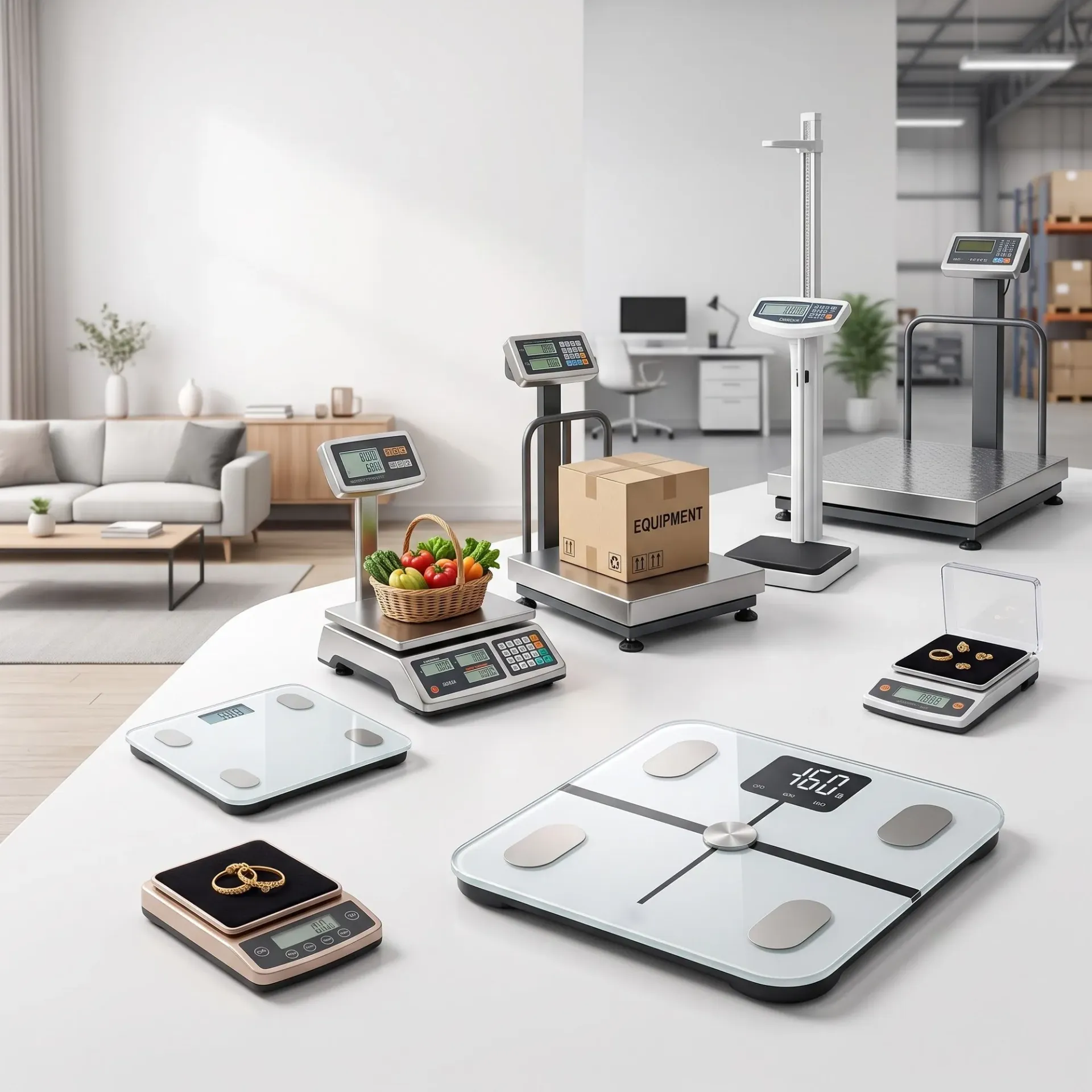
A weighing scale measures body weight and can tell you nothing about blood sugar. Two lines in ICMR's workflow connect them: it lists weight loss among the symptoms of diabetes, and it uses BMI to decide who should be screened. Omace Brands Private Limited makes weighing scales in Bagru, Jaipur, and sells no sugar machines or test strips. A weekly reading on a personal weighing scale gives your doctor a simple record of any change you did not plan. A BMI calculator turns height and weight into the number that workflow uses.
Taking your readings to the doctor
Carry the meter and your log to each visit. The FDA suggests asking your provider to watch your technique and compare your readings with a lab test. ICMR's workflow asks for fasting and 2-hour post-meal glucose once a month, and more often when needed, with HbA1c every 6–12 months, or every 3 months if uncontrolled.
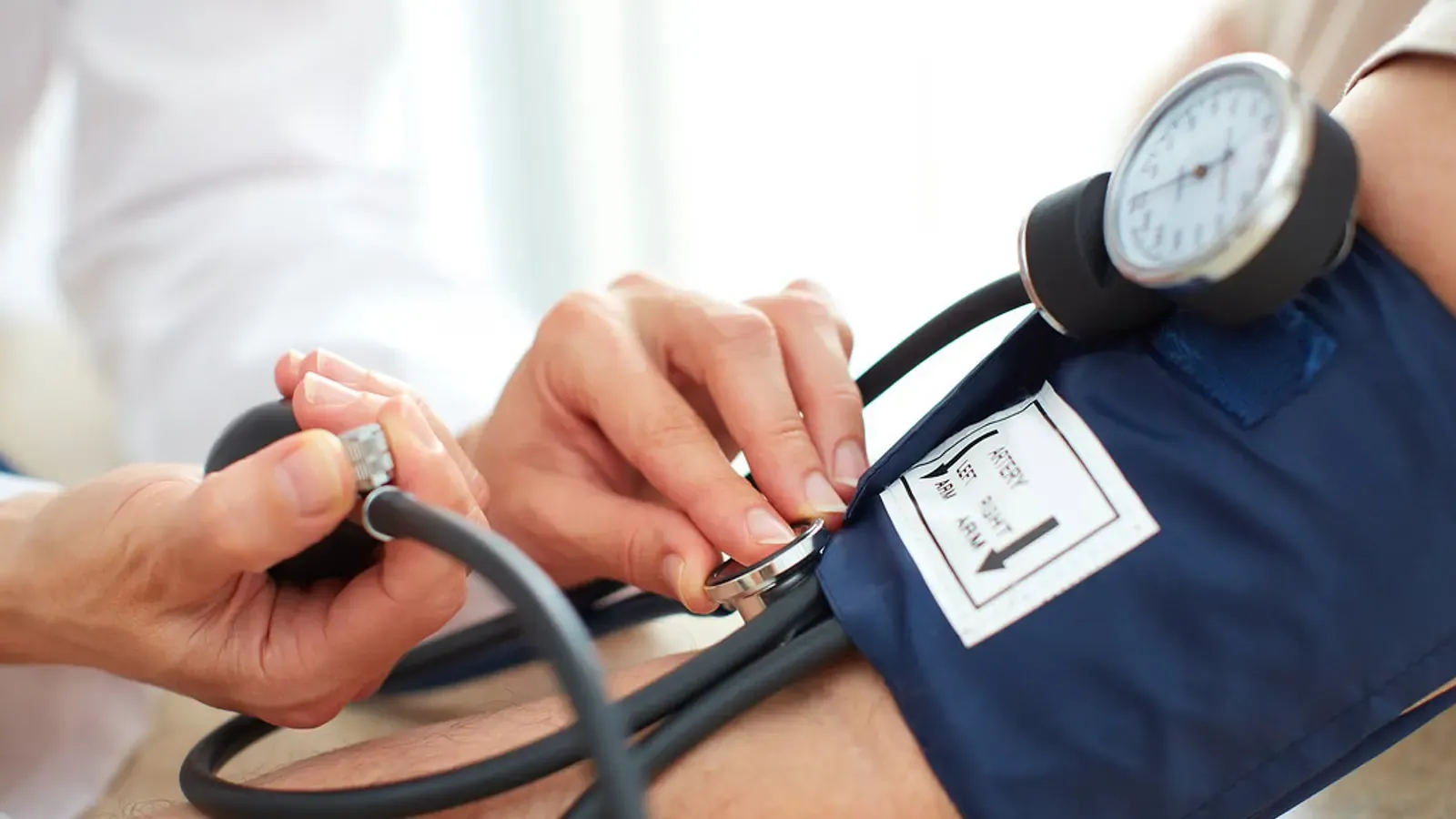
Your doctor may check blood pressure at the same visit, and ICMR's hypertension workflow asks doctors to evaluate those patients for diabetes. Home readings for that are covered in this guide to the BP machine. This is general information. Ask your doctor about your own readings.