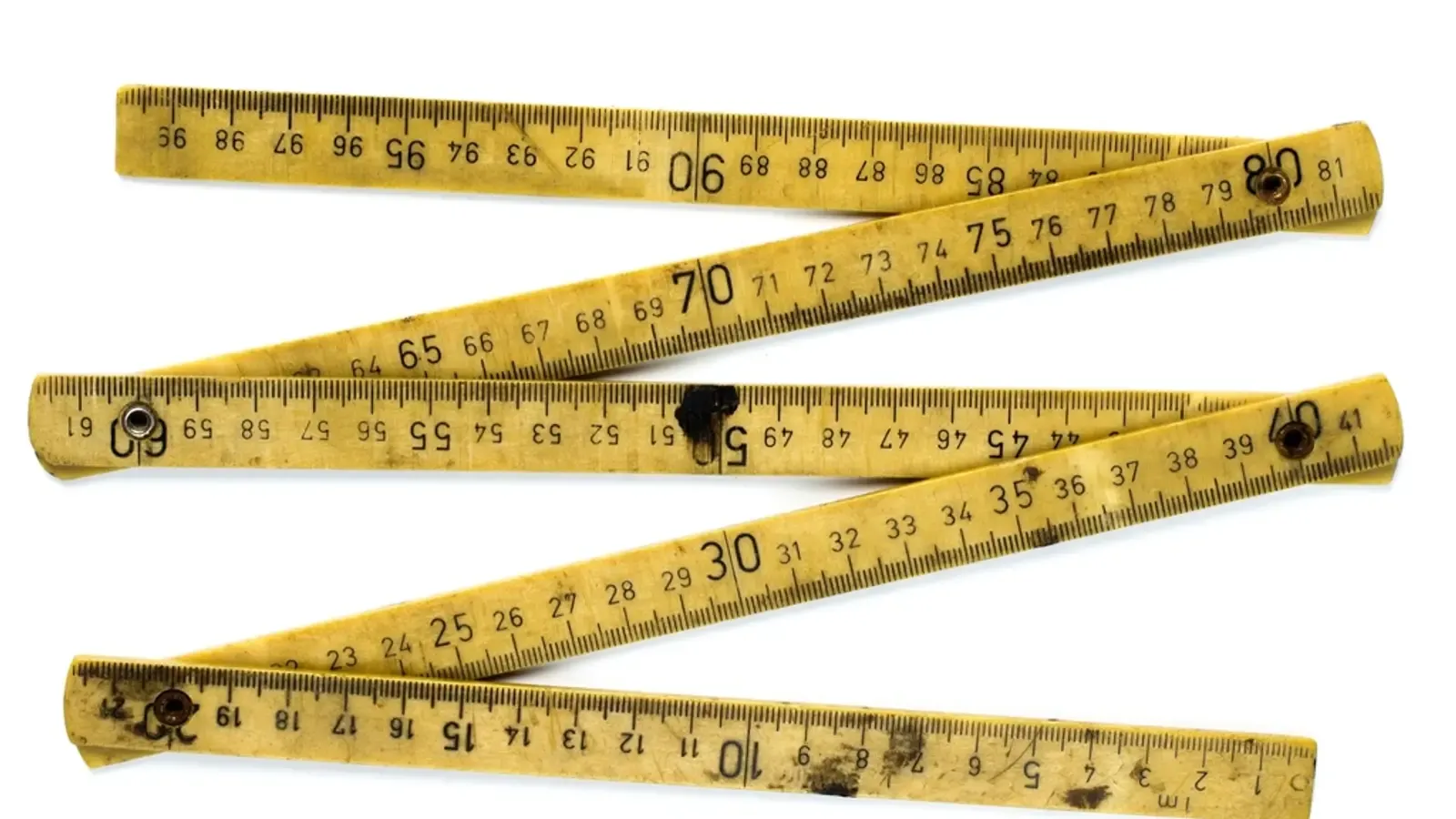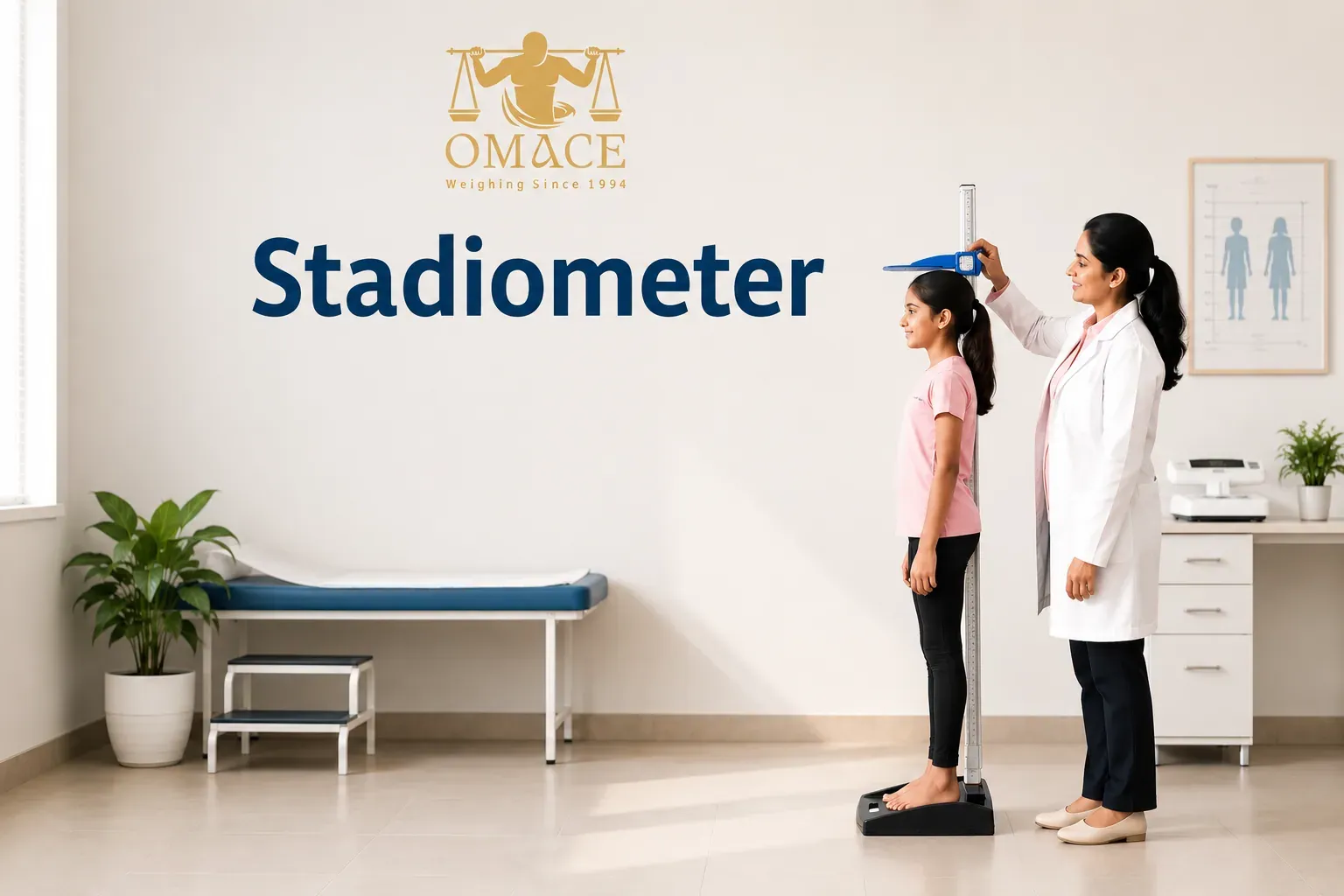

The average height in India is 163.7 cm (5 ft 4.4 in) for men and 152.0 cm (4 ft 11.8 in) for women aged 26 to 50, according to NFHS-4 measurements published in PLOS ONE. World estimates run higher for the young: NCD-RisC puts Indian 19-year-olds in 2019 at 166.5 cm for boys and 155.2 cm for girls.
Average height of Indian men and women
National figures for adult kad (height) come from the National Family Health Survey, known as NFHS. A 2021 analysis in PLOS ONE covers 700,602 women and 105,783 men from NFHS-4, carried out in 2015-16, and survey teams measured them with a portable stadiometer. Its Table S1, linked above, gives the means below.
| Group | NFHS-3, 2005-06 | NFHS-4, 2015-16 | NFHS-4 in feet |
|---|---|---|---|
| Men aged 26 to 50 | 164.5 cm | 163.7 cm | 5 ft 4.4 in |
| Men aged 15 to 25 | 164.5 cm | 163.4 cm | 5 ft 4.3 in |
| Women aged 26 to 50 | 151.9 cm | 152.0 cm | 4 ft 11.8 in |
| Women aged 15 to 25 | 152.0 cm | 151.8 cm | 4 ft 11.8 in |
The average height of a woman in India therefore sits just under 5 ft, and the average Indian man stands a little over 5 ft 4 in. The 26 to 50 group is the better guide to settled adult height. The younger group includes teenagers, and the ICMR-NIN Dietary Guidelines for Indians treat 10 to 19 years as adolescence.
The newest round, NFHS-5 (2019-21), prints no national mean height in its India report. It does report that 11.5% of women aged 15 to 49 stand below 145 cm, against 11.1% in 2015-16.
Why websites quote different numbers
Pages on Indian height often disagree by several centimetres. Most of the gap comes from mixing four kinds of figure that answer different questions.
- Survey means. NFHS reports people actually measured by survey teams, across incomes and regions. These are the figures to use for adults today.
- Modelled estimates. NCD-RisC combines more than 2,000 population studies and 65 million children aged 5 to 19, as its 2020 release explains, and models each year of age. Its Indian figures describe 19-year-olds, a younger group than the NFHS adults.
- Growth references. The WHO 2007 reference gives a median of 176.5 cm for boys and 163.2 cm for girls at age 19. It is a yardstick for checking how children grow, and it describes no country's average.
- Reference adults. The ICMR-NIN 2020 nutrient tables work out requirements for a 65 kg man and a 55 kg woman. A reference adult is a planning tool for nutrition, so it says little about what most Indians measure.
Average height by state in India
Punjab has the tallest adults in the NFHS-4 state tables, at 167.4 cm for men and 155.8 cm for women aged 26 to 50. Meghalaya has the shortest, at 158.9 cm and 149.3 cm. The gap between these two states is 8.5 cm for men and 6.5 cm for women. The figures below come from Tables S11 (men) and S10 (women) of the PLOS ONE analysis.
| State, ages 26 to 50 | Men | Women |
|---|---|---|
| India | 163.7 cm | 152.0 cm |
| Punjab | 167.4 cm | 155.8 cm |
| Jammu and Kashmir | 167.1 cm | 155.4 cm |
| Haryana | 166.4 cm | 155.3 cm |
| Kerala | 166.4 cm | 155.1 cm |
| Rajasthan | 165.9 cm | 154.5 cm |
| Tamil Nadu | 164.9 cm | 152.6 cm |
| Gujarat | 164.5 cm | 152.6 cm |
| Uttar Pradesh | 163.4 cm | 150.7 cm |
| Maharashtra | 163.2 cm | 151.9 cm |
| West Bengal | 162.2 cm | 150.9 cm |
| Bihar | 161.8 cm | 150.0 cm |
| Jharkhand | 160.5 cm | 149.9 cm |
| Meghalaya | 158.9 cm | 149.3 cm |
Rajasthan stands well above the national figure. The NFHS-5 state table also gives Rajasthan the lowest share of women under 145 cm, at 3.9%, against 18.2% in Meghalaya and Tripura and 18.1% in Jharkhand. A state figure blends many communities, so it says little about one family. No official city-wise table turned up in this research, so none is given here.
What decides how tall Indians grow
Genes set most of the range. MedlinePlus, from the US National Library of Medicine, says about 80% of a person's height comes from inherited DNA variation. The rest follows nutrition before and after birth, infections, healthcare and household income.
That remaining share shows clearly in India's numbers. NFHS-5 finds that 36% of children under five are stunted, meaning too short for their age, which the report calls a sign of chronic undernutrition. Among men aged 26 to 50, the richest fifth of households average 165.9 cm and the poorest fifth 161.1 cm, a gap of 4.8 cm. The same gap among women is 3.7 cm, at 153.9 cm and 150.1 cm. City adults stand slightly taller than village adults: 164.2 cm against 163.4 cm for men, and 152.6 cm against 151.7 cm for women.
Growth also runs in stages. The ICMR-NIN guidelines say children grow 6 to 7 cm a year on average between ages 2 and 10. The adolescent spurt starts at about 10 to 12 years in girls and two years later in boys, with peak gains of 9 to 10 cm a year.
Are Indians getting taller or shorter?
The two main sources point in different directions, because they look at different people over different spans of time.
NFHS shows a recent dip among men. Between 2005-06 and 2015-16, mean height fell by 0.86 cm among men aged 26 to 50 and by 1.10 cm among men aged 15 to 25. Women aged 26 to 50 gained 0.13 cm, and the 0.12 cm fall among women aged 15 to 25 was not statistically significant. The PLOS ONE authors call the decline alarming and ask for study of nutrition and social conditions.
NCD-RisC shows a long rise among the young. Its India file moves 19-year-old boys from 161.9 cm in 1985 to 166.5 cm in 2019, and girls from 151.5 cm to 155.2 cm. Both records can stand together: a gain across a generation, and a dip among adult men within one decade.
India compared with other countries
NCD-RisC lets countries be compared on one basis, 19-year-olds in 2019. India ranks 180th for boys and 182nd for girls in a study of 200 countries and territories. The world mean is about 4.3 cm above India for boys and 3.5 cm above India for girls. The other rows come from the NCD-RisC country files.
| Country | Boys, age 19 | Girls, age 19 |
|---|---|---|
| Netherlands | 183.8 cm | 170.4 cm |
| United States | 176.9 cm | 163.3 cm |
| China | 175.7 cm | 163.5 cm |
| Japan | 172.1 cm | 158.5 cm |
| World | 170.8 cm | 158.6 cm |
| Sri Lanka | 168.1 cm | 155.9 cm |
| India | 166.5 cm | 155.2 cm |
| Bangladesh | 165.1 cm | 152.4 cm |
| Nepal | 164.4 cm | 152.4 cm |
For adults in America, the US Centers for Disease Control and Prevention reports 68.9 inches (175.0 cm) for men and 63.5 inches (161.3 cm) for women aged 20 and over, measured from August 2021 to August 2023.
Is there a perfect height?
None of the health sources used here names a perfect adult height. Claims of an ideal height for a man or a woman are opinion, and this post treats them that way. An average is only the middle of a very wide spread of normal bodies.
A height comparison with the averages is simple arithmetic. A man of 5 ft 7 in (170.2 cm) stands 6.5 cm above the NFHS-4 figure for men. A woman of 5 ft 3 in (160.0 cm) stands 8.0 cm above the figure for women.
Height matters to doctors mainly for following a child's growth, as the WHO growth chart for boys shows, and for reading weight against height, which the height and weight chart and the BMI calculator cover. This is general information. Ask your doctor about your own readings.
How to measure your height correctly
The WHO STEPS survey manual sets out the method that field teams follow, and it works at home with a helper.
- Take off footwear and head gear, and flatten any high hairstyle.
- Stand with feet together, heels against the wall or back board, and knees straight.
- Look straight ahead with your eyes level with your ears.
- Breathe in and stand tall while the helper brings a flat arm or book down onto your head.
- Read the height in centimetres to the nearest millimetre.
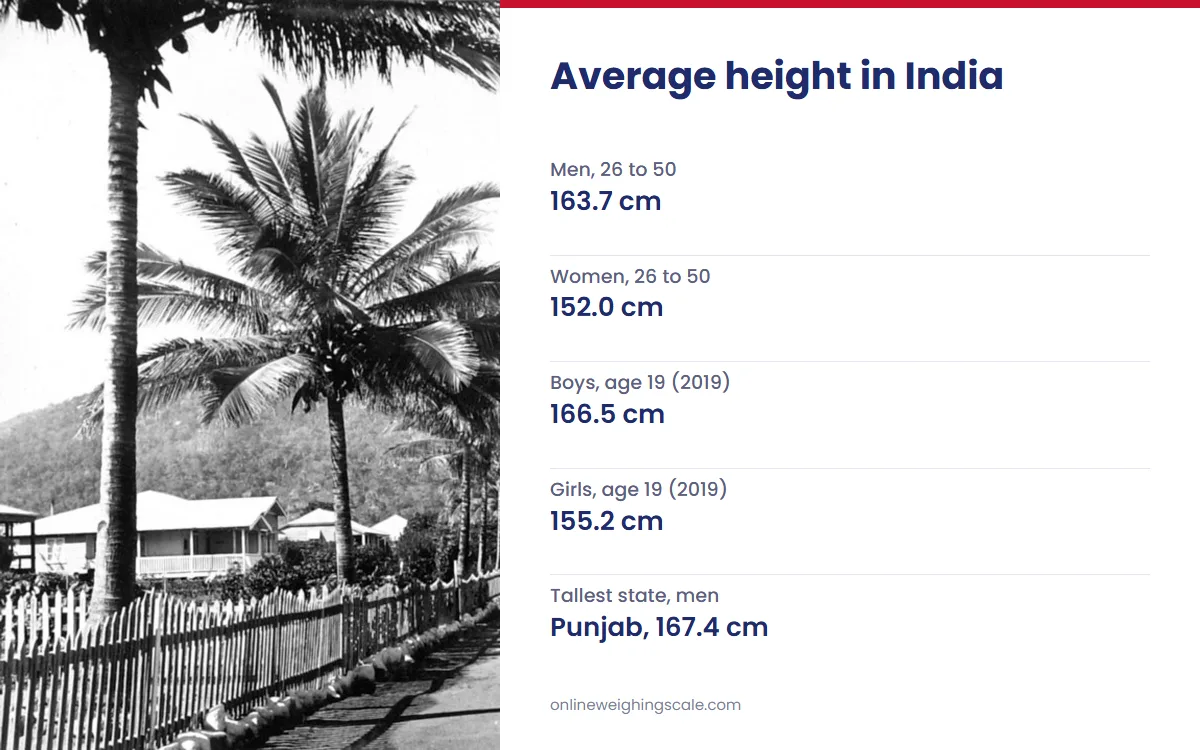
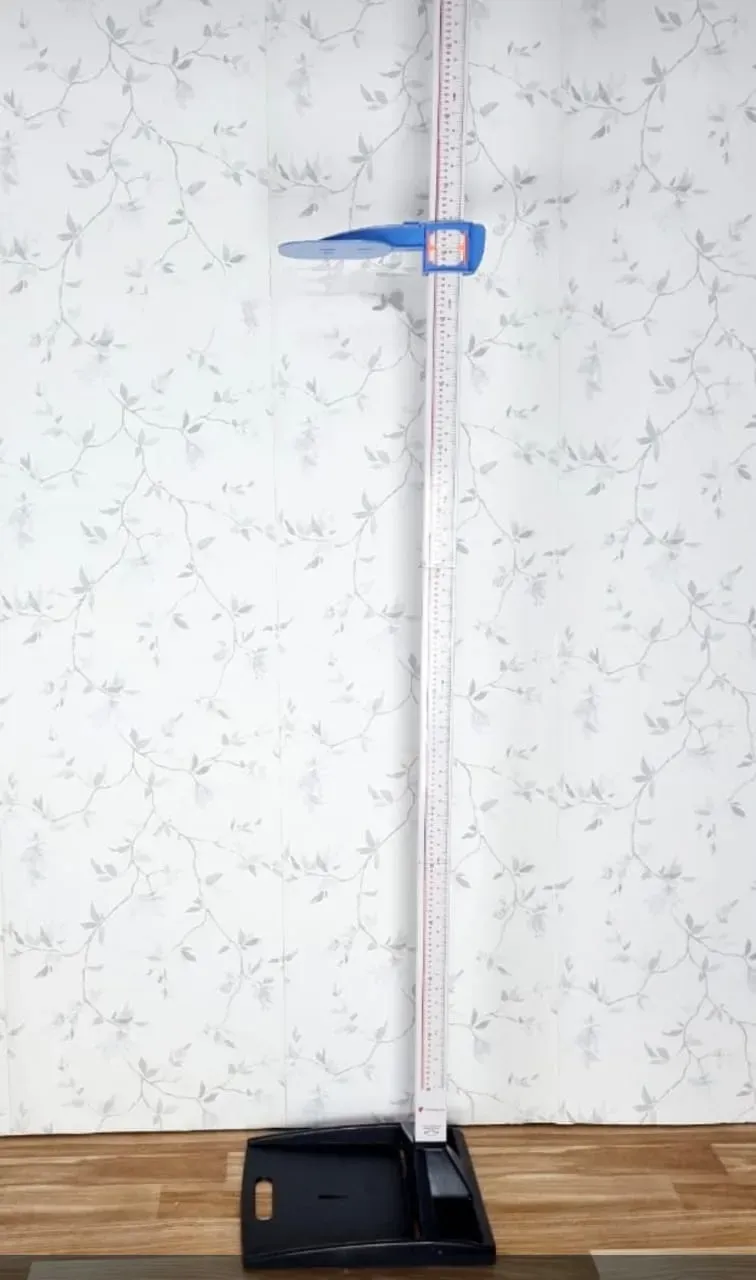
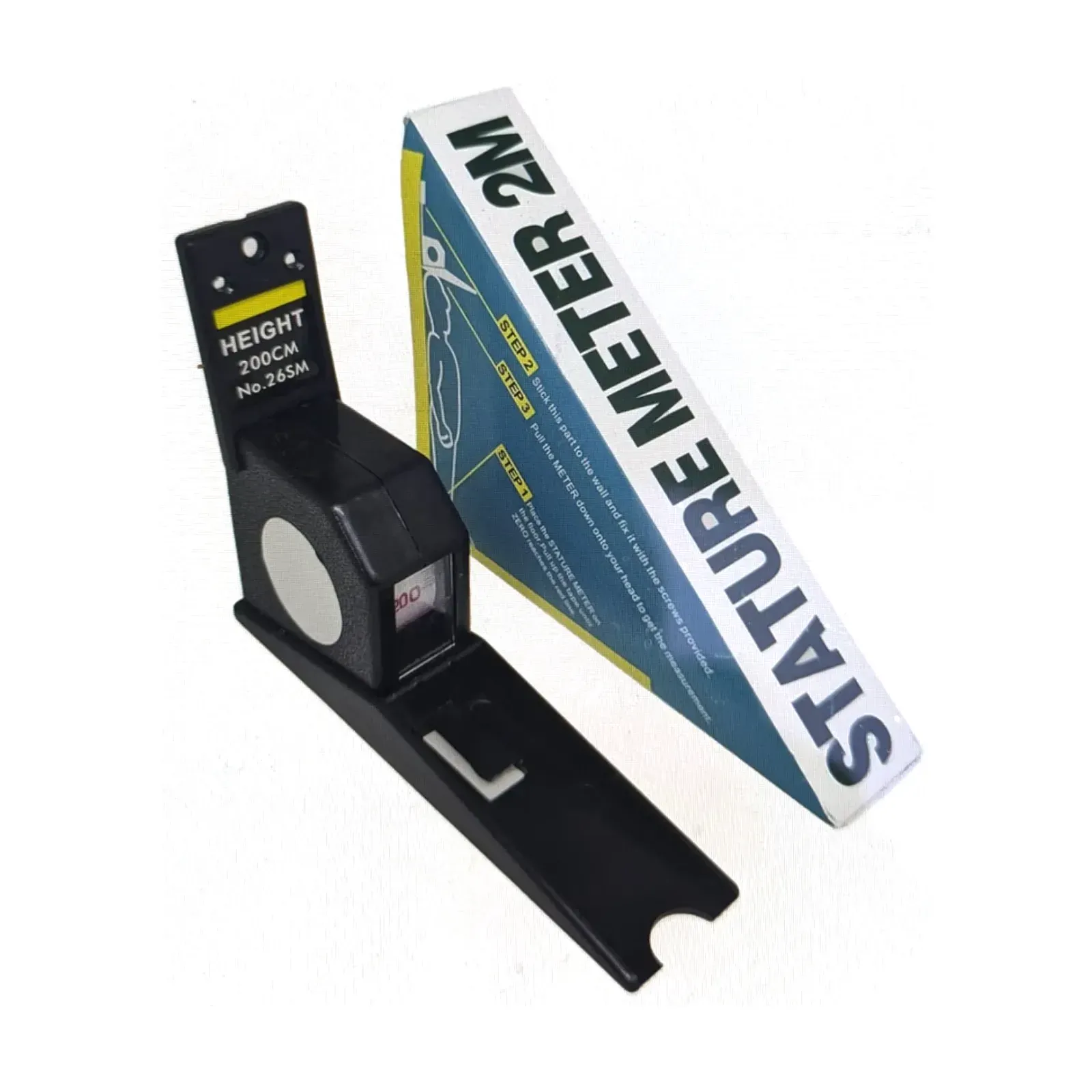
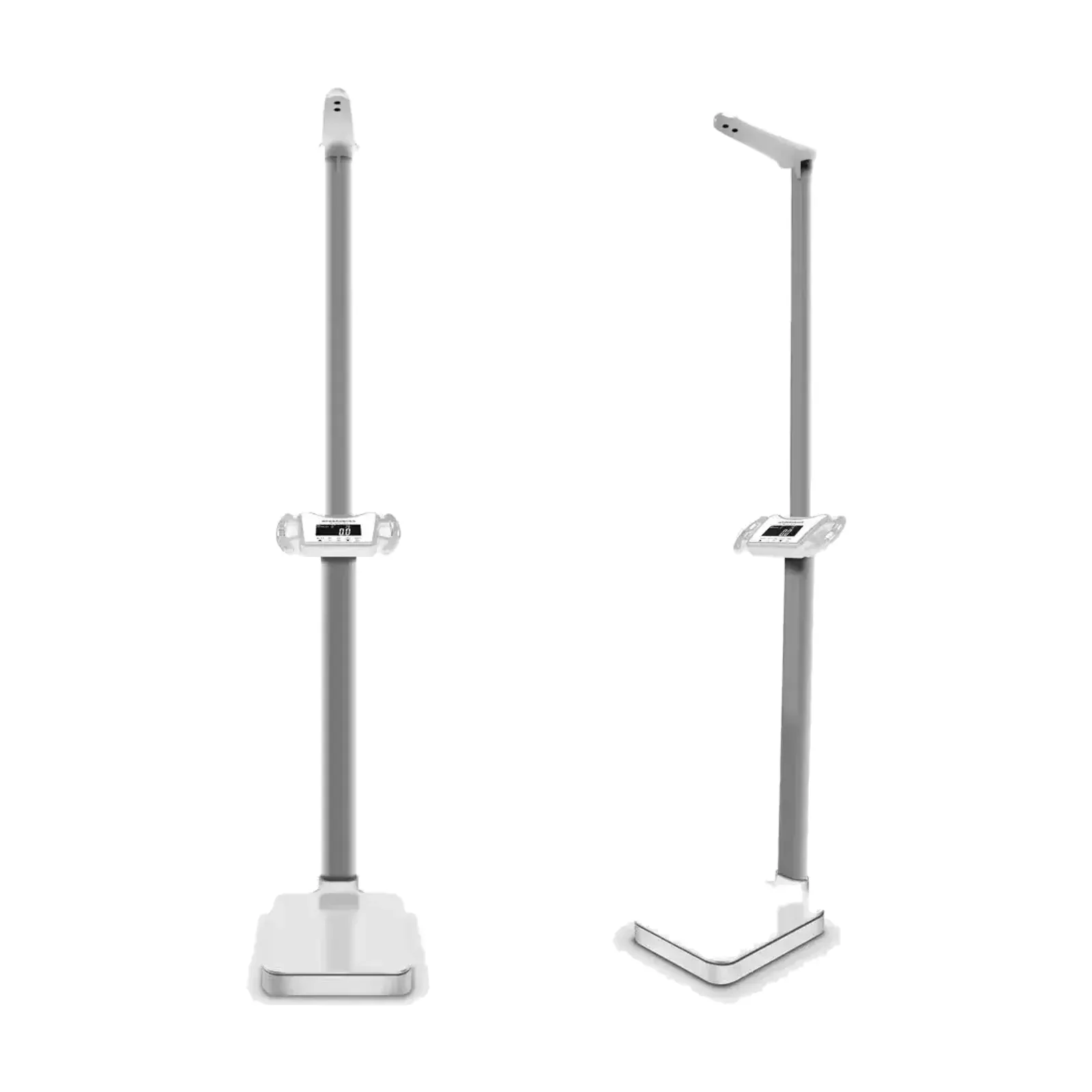
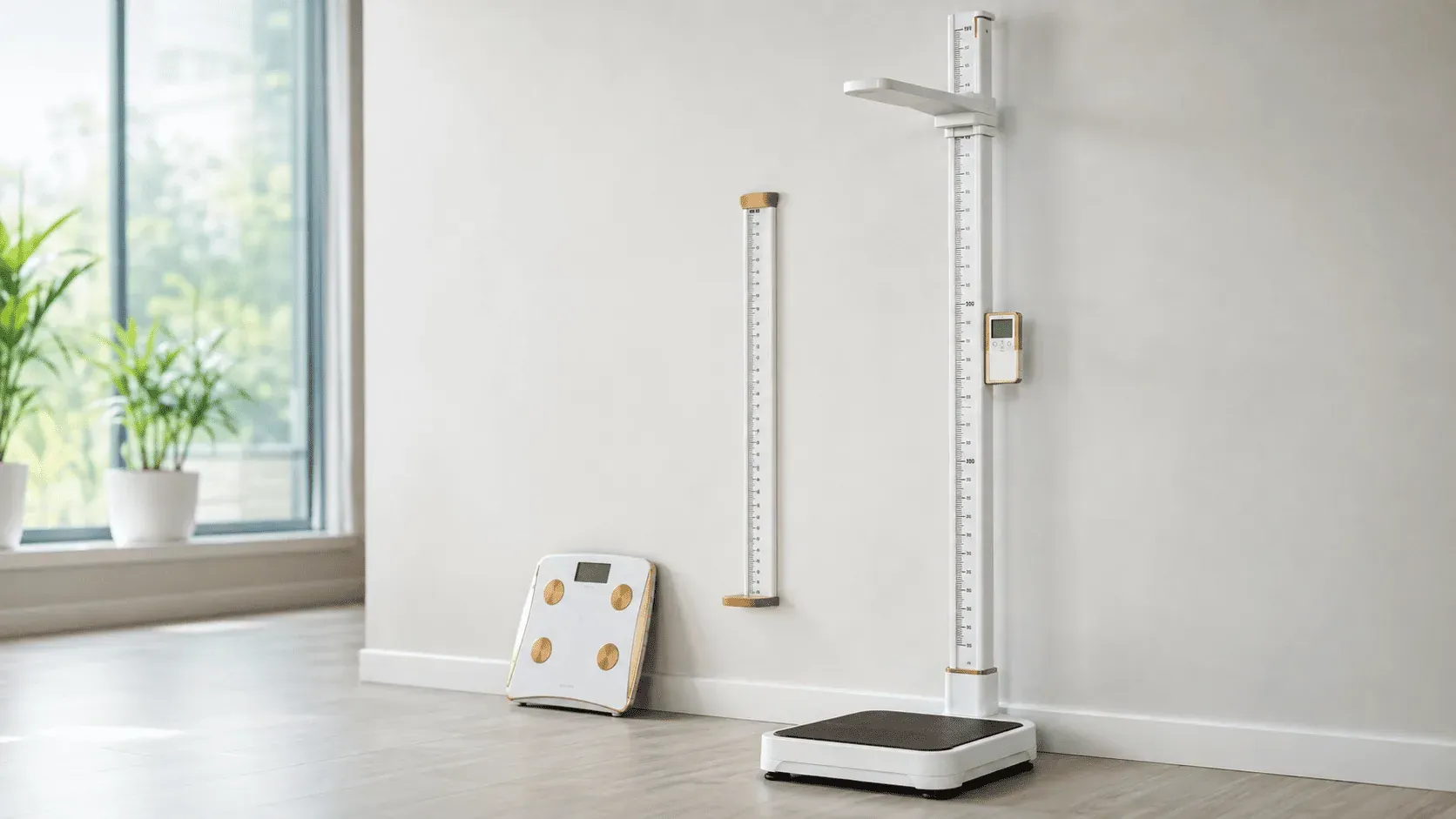
A dedicated instrument removes the guesswork. The ICDS-SDM portable stadiometer reads up to 2 m and costs ₹1,569 today, and the ICDS-SDM wall-mounted stature meter reads 0 to 200 cm and costs ₹1,049. The guide to measuring height accurately compares the tools, and the height converter turns centimetres into feet.
Who makes these height instruments
Omace Brands Private Limited manufactures scales at G-29 RIICO Industrial Area, Bagru, Jaipur. The company has been in the weighing trade since 1994. As a manufacturer, Omace Brands Private Limited holds ISO 9001:2015 and ISO 13485:2016 certificates, an EU MDR quality certificate, a CE certificate of compliance and a US FDA compliance certificate, all listed on its certificates page. These are company certificates.
Every scale is checked with certified test weights before dispatch. Omace scales are factory calibrated, and a scale that reads wrong is replaced under warranty. Every Omace digital scale opens calibration mode when TARE is held for about 5 seconds. Scales bought from the Omace store carry a 2-year retail warranty on manufacturing defects. Omace products are made in India. The stadiometer and stature meter sit with the other height measuring instruments in the store.
Reading your height against the average
Treat these figures as a description of a very large population. The Indian averages of 163.7 cm and 152.0 cm come from a survey carried out in 2015-16, and a newer national mean has not been printed in the NFHS-5 report. Your own number is most useful when measured the same way each time, and for a child it is most useful as a line on a growth chart over several years.