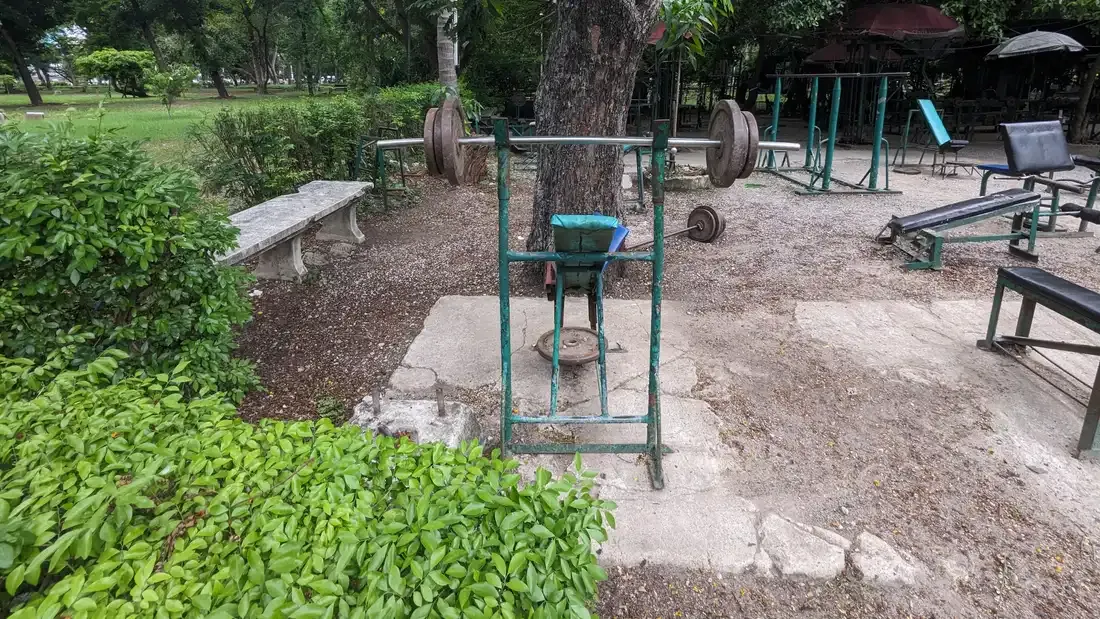
The machines in a gym fall into two groups: cardio machines such as the treadmill and exercise bike, and strength machines such as the leg press, chest press and lat pulldown. The ICMR-National Institute of Nutrition advises adults to work all muscle groups on at least 2 days a week. Strength machines move each lift along a set path, which helps beginners learn the movement.
What counts as a gym machine
A gym machine fixes the path your body moves along and supplies the load. Strength machines use a stack of weight plates with a pin to choose the load, plates loaded by hand onto a lever arm, or a cable running over pulleys. Cardio machines use a motor, a belt, a flywheel or air and water resistance to keep your heart and lungs working for longer.
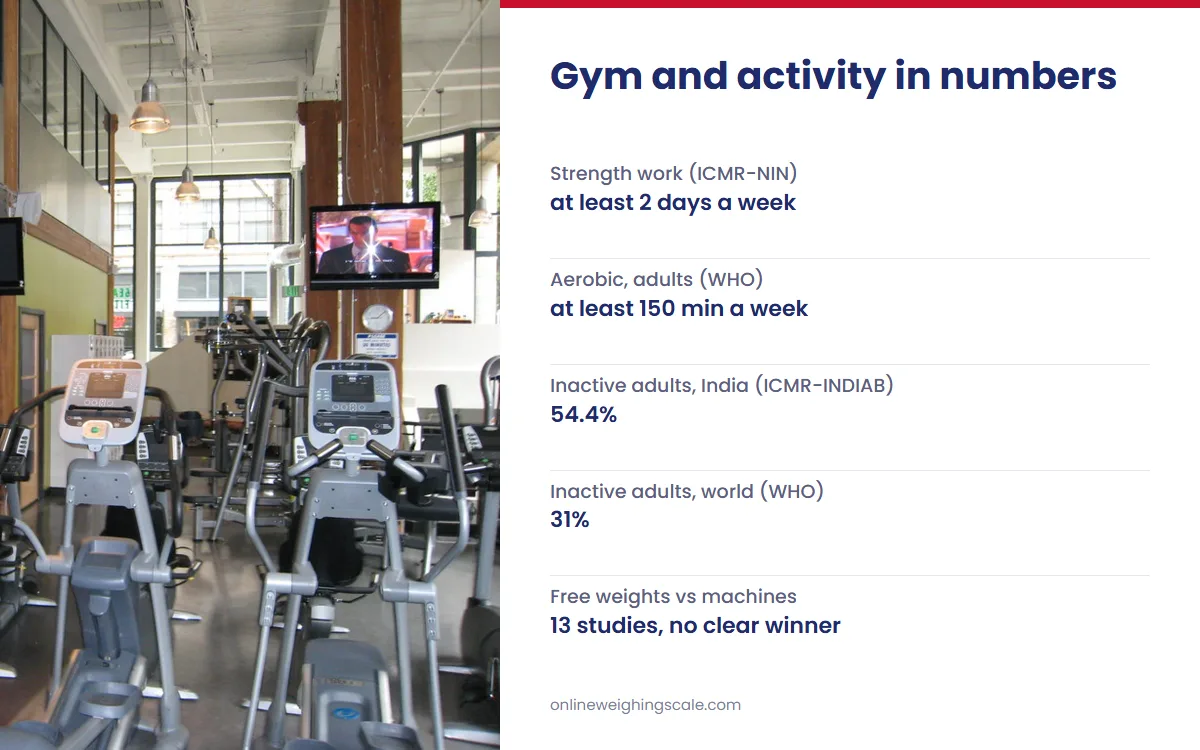
Free weights are the other half of the gym floor: dumbbells, barbells and kettlebells that you balance yourself. A 2023 meta-analysis of 13 studies and 1,016 adults compared free-weight and machine training over at least 6 weeks. In direct comparison it found no difference in strength, jump height or muscle growth. Strength rose most on the kind of equipment people trained on, and the authors concluded that the choice comes down to preference and goals.
Types of machines in the gym
Gym equipment falls into five groups, and the sections below follow the way most gym floors are laid out.
Cardio machines
The treadmill carries walking, jogging and running on a moving belt. The exercise bike comes in upright, recumbent and spin styles, and you pedal it seated. The cross trainer, also called an elliptical, moves the arms and legs together while the feet stay on the pedals. The rowing machine works the legs, back and arms in one pull, and the stair climber keeps you stepping upward. The World Health Organization sets a benchmark of at least 150 minutes of moderate-intensity activity a week, and time at a moderate pace on any of these machines counts towards it.
Leg machines
The leg press is the main lower-body machine: you sit and push a padded plate away with both feet, working the thighs and glutes. The leg extension straightens the knee against a pad and isolates the front of the thigh. The leg curl bends the knee and works the hamstrings at the back of the thigh. Gyms also carry hack squat sleds, calf raise machines, and hip abductor and adductor machines for the outer and inner thigh.
Upper-body machines
The chest press pushes handles forward and works the chest, the front of the shoulders and the triceps. The pec deck brings padded arms together in front of the chest. The lat pulldown pulls a bar down towards the upper chest and trains the wide back muscles and biceps. The seated row pulls handles towards the stomach and works the middle back. The shoulder press pushes overhead, and the assisted pull-up machine takes part of your body weight so you can learn the pull-up.
Ab and lower-back machines
The ab crunch machine curls the trunk forward against a weight stack. The captain's chair supports your forearms while you raise your knees, and the rotary torso machine twists the trunk against resistance. The back extension bench, sometimes called a Roman chair, works the muscles along the spine. These machines strengthen the trunk muscles; what they do and don't do for belly fat is covered further down.
Cable machines and multi-gyms
A cable machine, or functional trainer, has two adjustable pulleys and can be set for pressing, pulling, rowing and twisting, which makes it the most flexible full body exercise machine in the gym. The Smith machine runs a barbell on fixed rails for squats and presses. A multi-gym station combines a chest press, a pulldown, a leg extension and a cable pulley around one weight stack, and is the usual choice for a home or office gym.
Gym workouts in India: activity levels and ICMR advice
Many Indian adults do no sport or exercise at all. The ICMR-INDIAB study found 54.4% of 14,227 adults inactive, with 65.0% inactive in urban areas against 50.0% in rural areas. Fewer than 10% of the people studied did any recreational physical activity. Worldwide, the WHO counts 31% of adults, or 1.8 billion people, as not active enough, and says insufficiently active people have a 20–30% higher risk of death.
The ICMR-NIN dietary guidelines turn this into plain targets for Indians:
- Adults aged 19 to 60: 30 to 60 minutes of moderate aerobic activity a day on at least 5 days a week, or 15 minutes of vigorous activity on at least 5 days.
- Muscle-strengthening exercises that work all muscle groups on at least 2 days a week.
- Adults over 60: the same base, plus activities for strength and balance on 3 or more days a week.
- Men and women over 40 should consult a doctor before starting a vigorous programme.
Strength training is older in India than the machines are. The akhara trained wrestlers with the gada and the jodi long before cable stacks arrived. A machine is simply a measured, adjustable way to do the same work.
Gym machine comparison: quick reference
The table sets the common exercise machines side by side. "Good first choice" means a beginner can learn it safely in a first session with a trainer.
| Machine | Type | Main muscles or system | Good first choice | Home use |
|---|---|---|---|---|
| Treadmill | Cardio | Heart, lungs and legs | Yes, start by walking | Yes, needs floor space and a socket |
| Exercise bike | Cardio | Heart, lungs and thighs | Yes, seated and easy on the joints | Yes, small footprint |
| Leg press | Strength | Thighs and glutes | Yes | Rarely, large frame |
| Chest press | Strength | Chest, front shoulders and triceps | Yes | Inside a multi-gym |
| Lat pulldown | Strength | Upper back and biceps | Yes | Inside a multi-gym |
| Ab crunch machine | Strength | Front abdominal muscles | After the larger machines | Rarely |
A beginner's order on gym machines
A first session goes better with a plan. Ask the gym trainer to set each machine with you once, and note your seat and pad positions.
- Warm up on cardio. Walk on the treadmill or pedal the bike at an easy pace for a few minutes.
- Set the machine to your body. Line up the joint that moves with the machine's pivot, usually marked on a sticker diagram, and set the seat so the handles sit at chest or shoulder height.
- Do the larger muscle groups first. Leg press, chest press, lat pulldown and seated row come before the smaller machines such as the leg curl, shoulder press and ab crunch.
- Start light. Pick a weight you can move smoothly through the full range, and end the set when your form starts to slip.
- Cover every group across the week. The CDC lists the major muscle groups as legs, hips, back, abdomen, chest, shoulders and arms, to be worked on at least 2 days a week.
- Add load slowly. Raise the weight a step only when the current one feels controlled for every repetition.
Choosing a gym machine for home
A home gym in an Indian flat is shaped by floor space, power and the neighbours below. Measure the space with the machine in use, since a treadmill belt needs clear room behind it and a rowing machine needs its full length.
- Exercise bike: the smallest cardio option, and fairly quiet in a flat.
- Treadmill: a motorised one needs a wall socket with proper earthing and stops in a power cut; a manual treadmill runs on your own effort.
- Cross trainer or rowing machine: both work arms and legs together in one movement.
- Multi-gym station: covers chest, back and legs from one weight stack, but needs a strong floor and some height.
- Adjustable bench with dumbbells: the meta-analysis above found free weights build strength and muscle as well as machines do, in less space.
Every home machine carries a maximum user weight on its label. Check it against your own body weight before you buy, and put a rubber mat under anything that runs or thumps.
Weight reduce machines, belly fat and muscle stimulators
No machine removes fat from one chosen spot. In a trial of abdominal exercise and belly fat, 24 sedentary adults did 7 ab exercises, 2 sets of 10 repetitions, 5 days a week for 6 weeks. Their body fat percentage, belly fat and waist size did not change significantly compared with a group that did nothing. Their abdominal endurance did improve: they managed 47 curl-ups against 32 in the other group.
Ab machines and the machines sold for belly fat therefore strengthen the muscle under the fat and leave the fat itself to the whole body's balance of activity and food. Vibration belts and plates sold as weight reduce machines carry the same promise of a slimmer waist, and the trial above shows that even six weeks of working the muscles in that area did not shrink it.
Electric muscle stimulators
An electro muscle stimulation machine sends pulses through pads on the skin to make muscles contract. The US Food and Drug Administration says such a device may temporarily strengthen, tone or firm a muscle, but has cleared none for weight loss, girth reduction or "rock hard" abs. The FDA has received reports of shocks, burns, bruising, skin irritation and pain from these devices, and of interference with pacemakers and implanted defibrillators.
Machines for physiotherapy
Physiotherapy clinics use a different set of machines, chosen by the physiotherapist after an assessment. The most common at home is the TENS unit, which passes a mild current through pads to ease pain. The NHS says TENS may relieve period pain, labour pain, sports injury pain and arthritis pain, and that it does not work for everyone. It advises against TENS for people with epilepsy or a pacemaker, and in pregnancy unless a doctor or midwife agrees. Clinics also use interferential therapy, therapeutic ultrasound and traction units, which are set and supervised by the therapist. This is general information. Ask your doctor or physiotherapist about your own condition.
A weighing scale for the gym
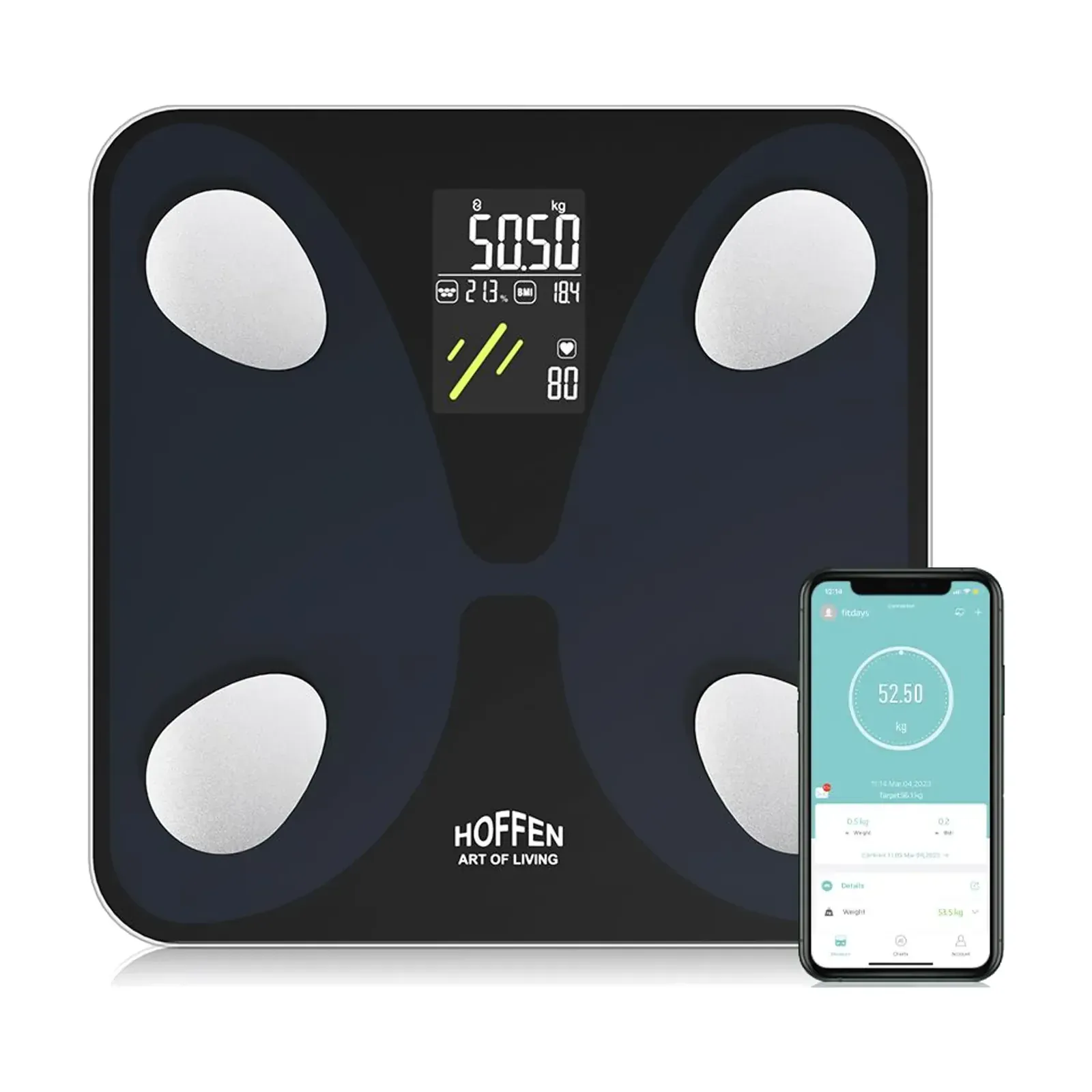
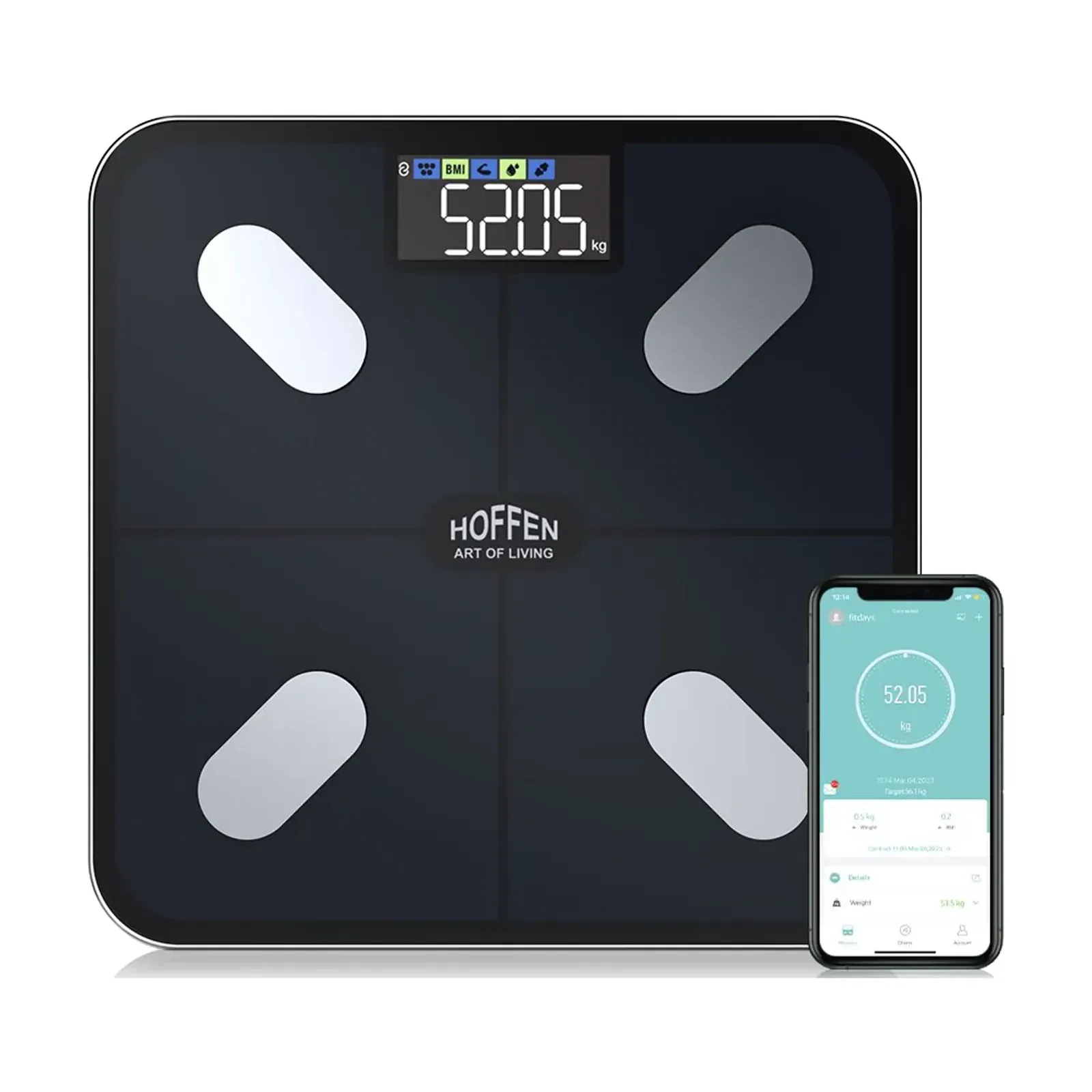
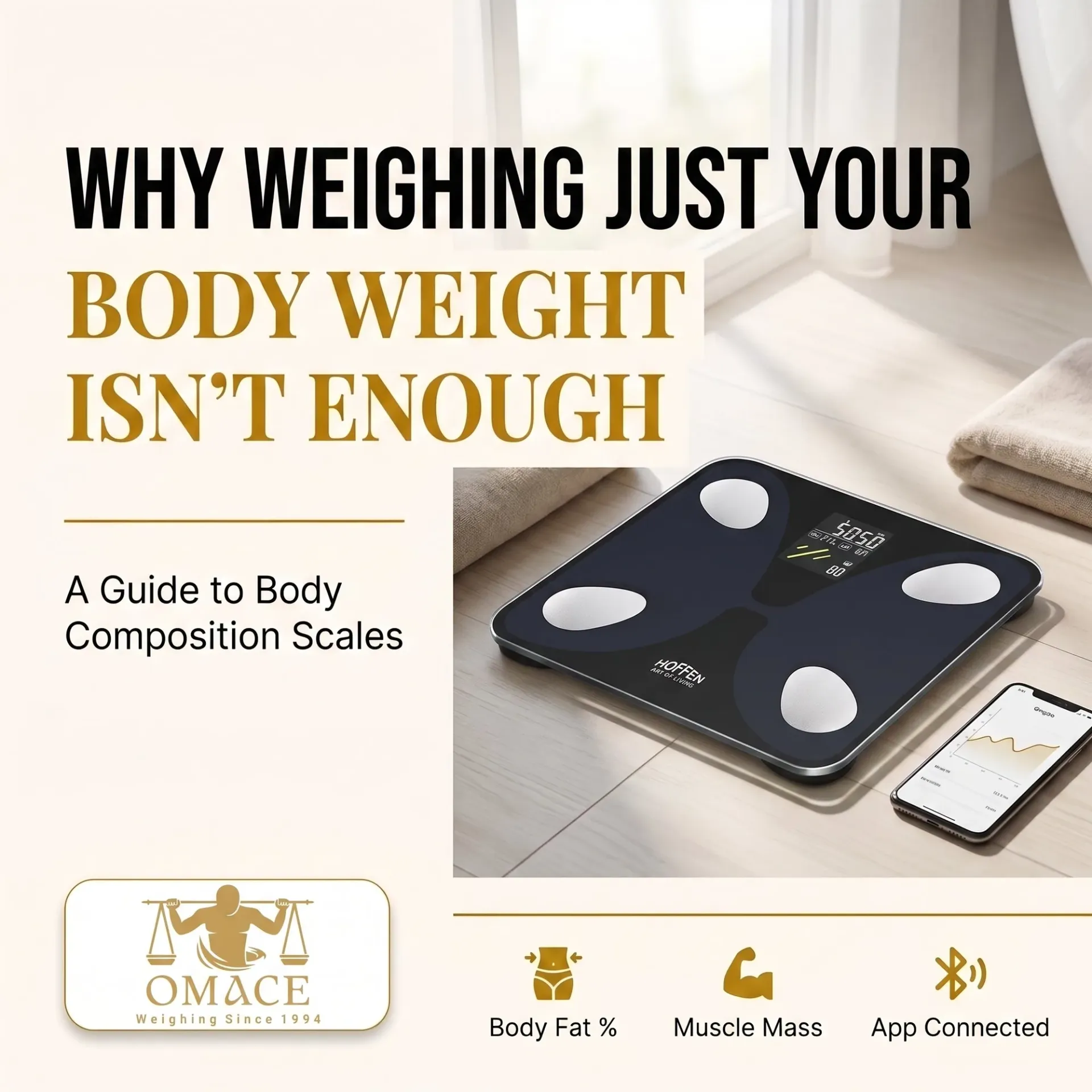
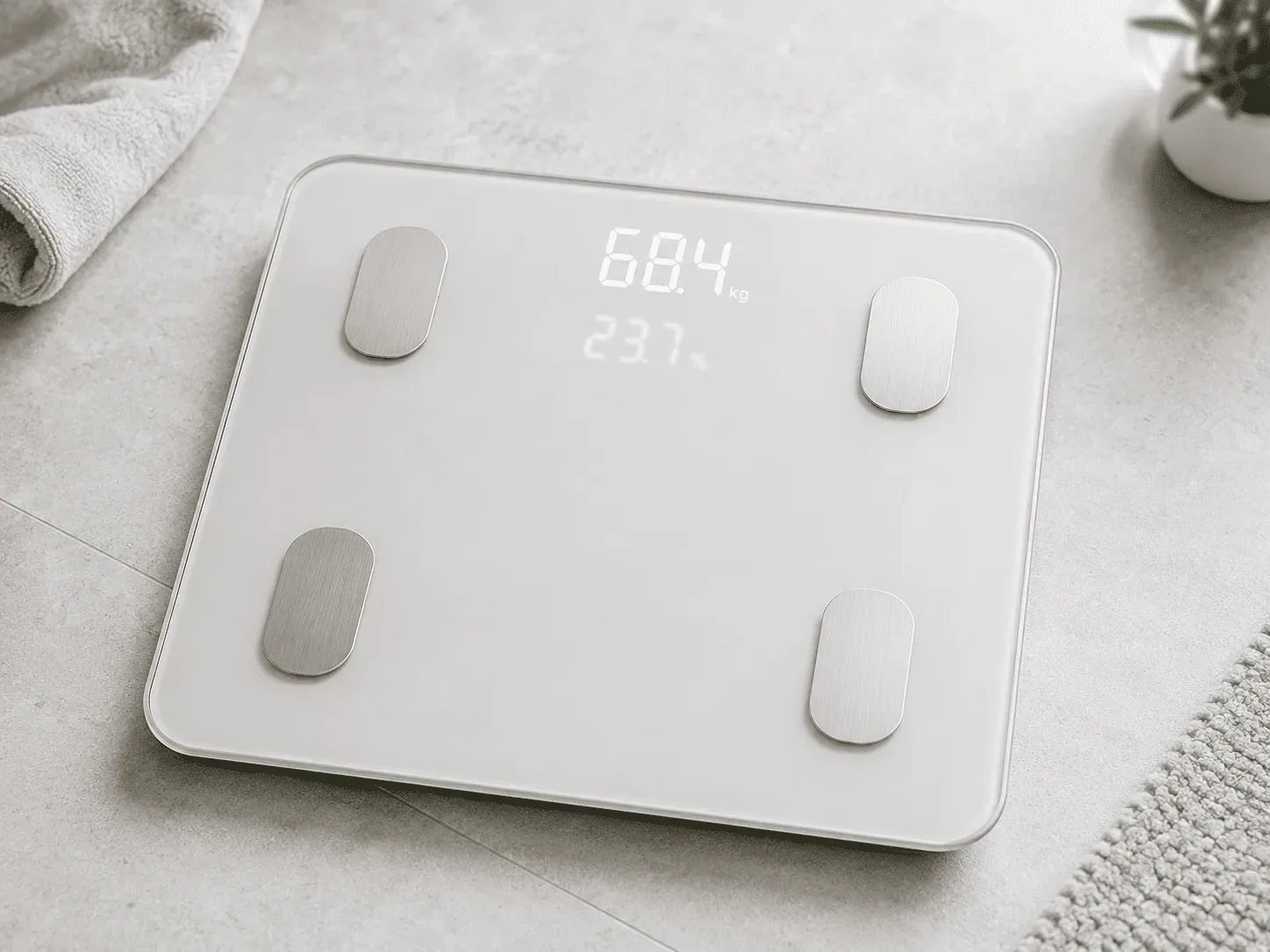
Body weight alone can hide what strength training is doing. Muscle gained while fat falls can leave the number on the scale almost unchanged for weeks. A weighing scale for gym use that estimates body fat and fat-free weight shows that split, as an estimate rather than a measurement. Omace Brands Private Limited makes such scales in Bagru, Jaipur. For a fair comparison, weigh at the same time of day, before training, barefoot on a hard floor, and read the trend over several weeks. What fat-free mass is, and how formulas and scales estimate it, is explained in lean body mass.
Where to start on day one
Begin with a few minutes of walking or cycling, then the four machines for the largest muscle groups: leg press, chest press, lat pulldown and seated row. Keep the weights light for the first two weeks and learn each setting. Add the smaller machines once those feel familiar, and fit strength sessions into at least 2 days of your week alongside the walking or cycling that makes up your aerobic minutes.