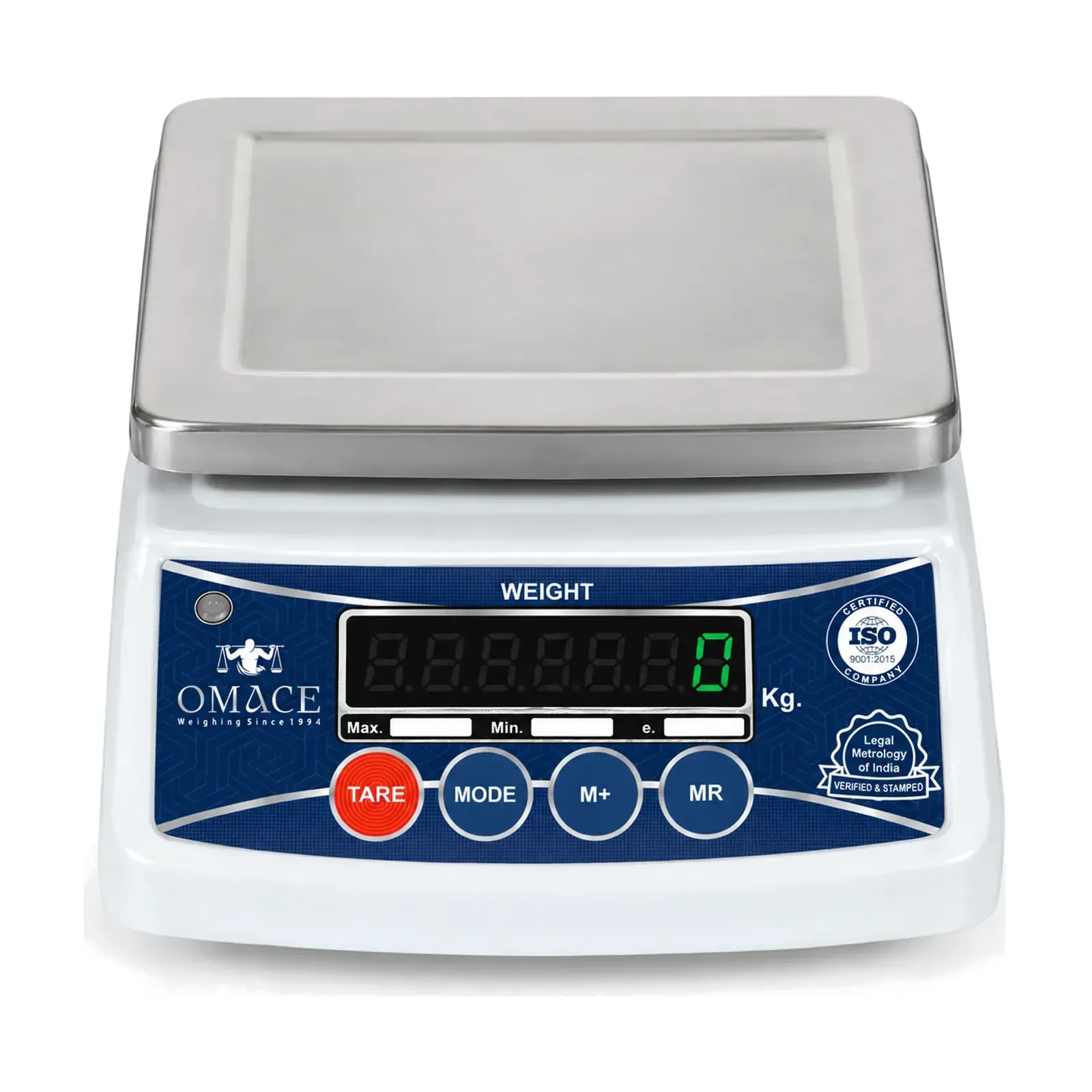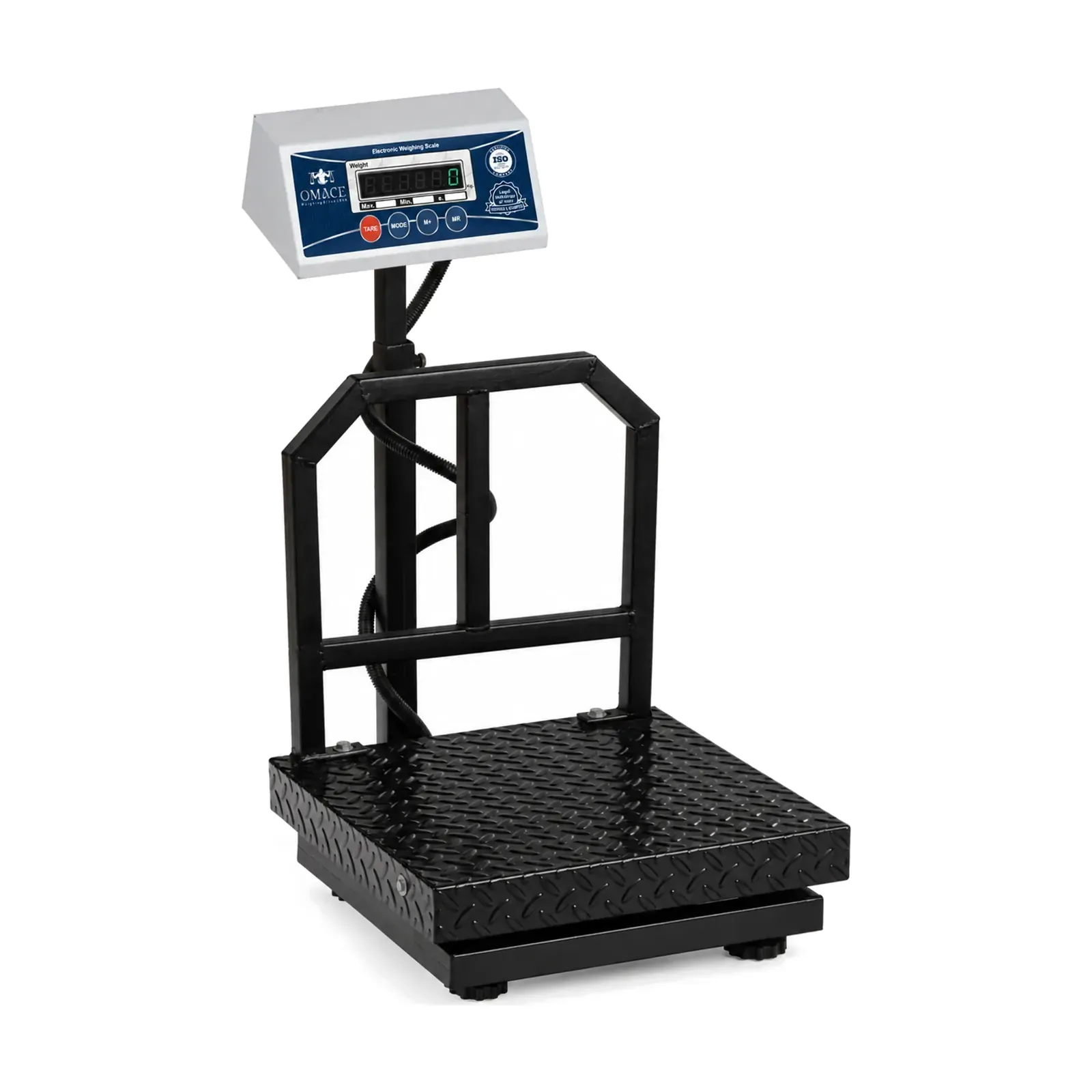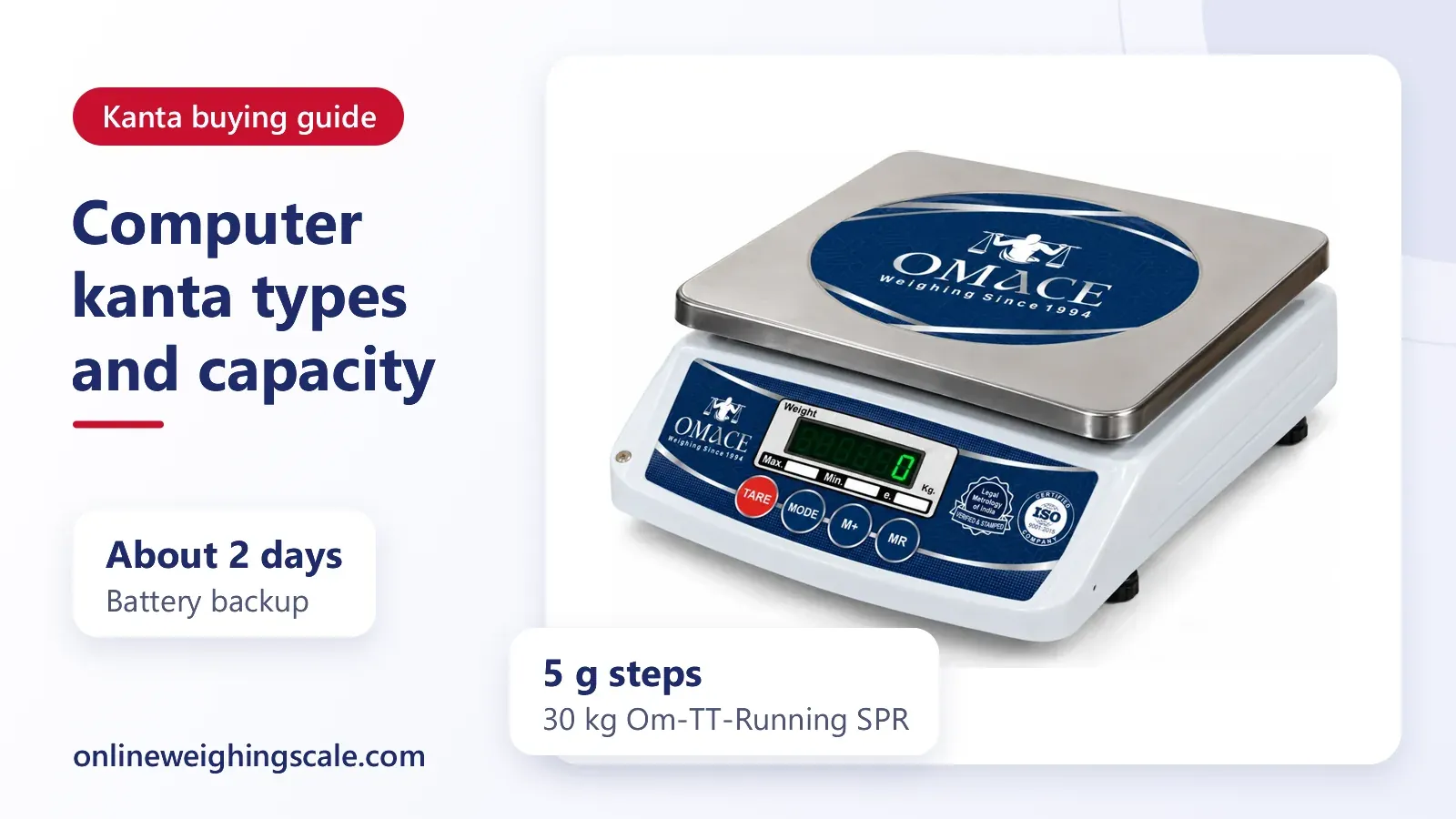
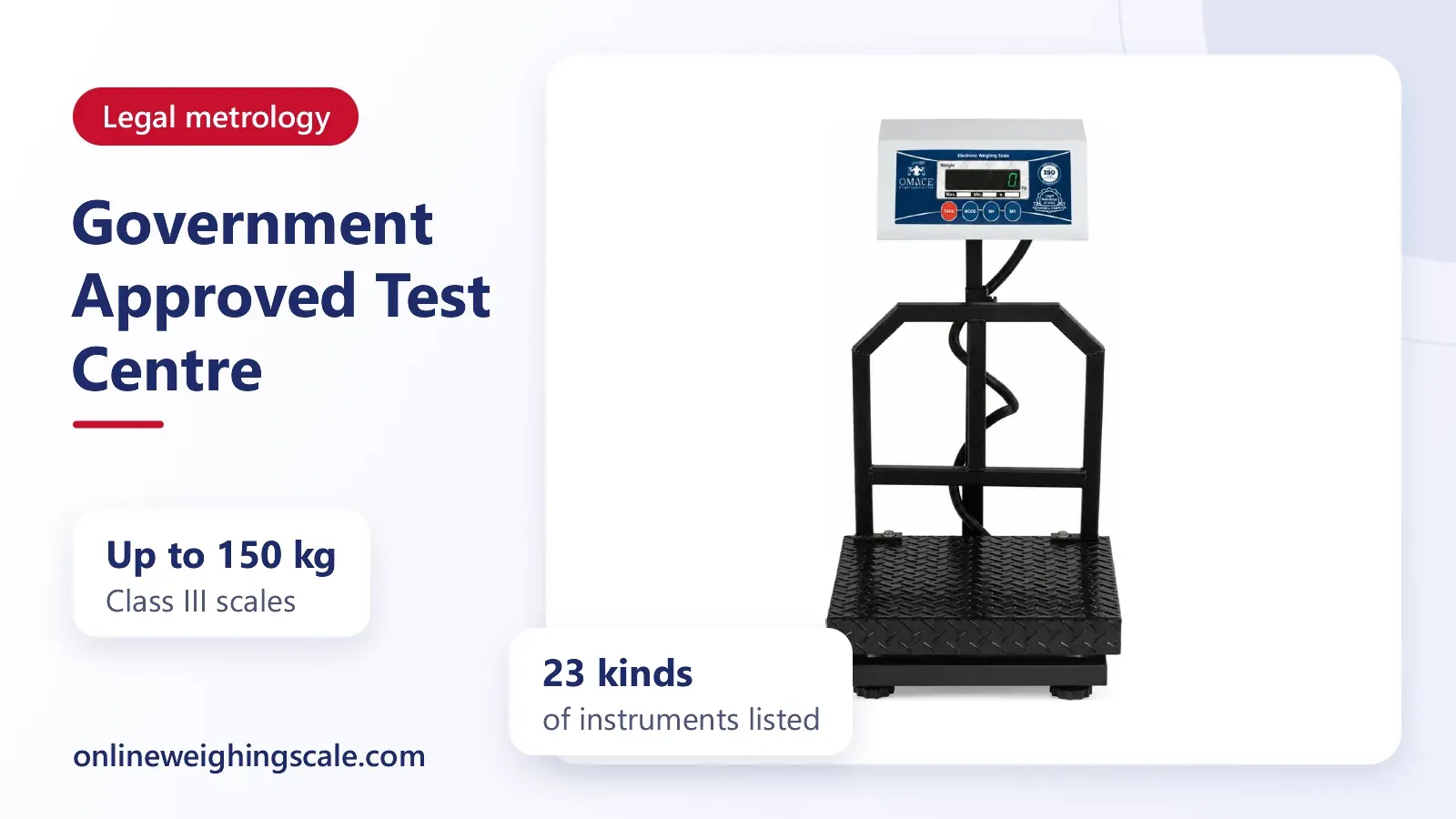
A government approved test centre (GATC) is a laboratory recognised by the Department of Consumer Affairs to verify weighing instruments and meters under the Legal Metrology Act. The GATC Amendment Rules, 2026 list 23 kinds of weights and measures in the First Schedule, and two of them are non-automatic weighing instruments of Accuracy Class III and Class IIII. This guide covers fees and the state office.
What a Government Approved Test Centre Does
Verification means a body with the right equipment checks an instrument against standards and certifies it for use in trade. Under the Legal Metrology (Government Approved Test Centre) Rules, 2013, that work can be done by a GATC. The GATC Amendment Rules, 2025 (G.S.R. 779(E), 23 October 2025) changed rule 3(1) so that the instruments in the First Schedule are verified either by a GATC or by legal metrology officers.
A trader therefore has two routes, the centre or the officer. The Department of Consumer Affairs publishes the rules on its Legal Metrology Act page. The original 2013 rules are posted there as a scanned gazette with no readable text, so this guide relies on the three amendments, which can be read. Our page on legal metrology in India covers the Act itself.
Which Weighing Instruments a GATC May Verify
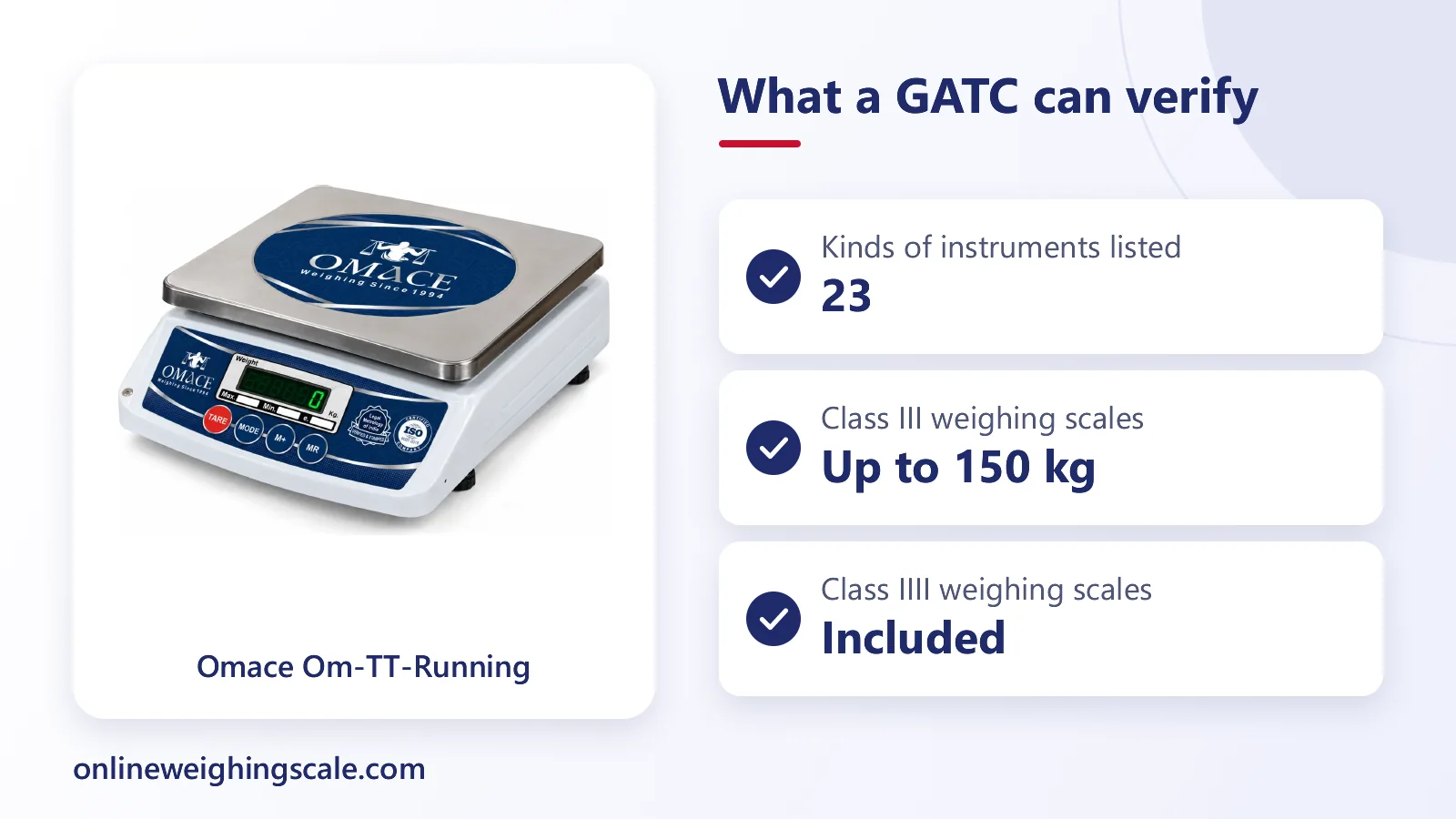
The 2026 amendment (G.S.R. 346(E), 8 May 2026) replaced the First Schedule. For weighing, the list names these items.
- Non-automatic weighing instruments of Accuracy Class III, up to 150 kg.
- Non-automatic weighing instruments of Accuracy Class IIII.
- Load cells.
- Beam scales and counter machines.
- Weights of all categories.
- Automatic rail weighbridges, multi-dimensional measuring instruments and tape measures.
The same schedule also covers water, gas, energy and flow meters, moisture meters, vehicle speed meters, breath analysers, sphygmomanometers, clinical thermometers and five kinds of fuel dispensers. It ends with a line allowing any other weight or measure that a State Government prescribes.
The schedule names classes III and IIII but does not define them. The international recommendation OIML R 76-1 calls class III medium accuracy and class IIII ordinary accuracy, and most shop, counter and platform scales sit in those two. Class I and class II, the special and high accuracy classes used in laboratories, do not appear in the schedule. Which class a model belongs to is marked on the instrument, so ask the maker. A jewellery balance reading to 0.01 g is a separate matter, and the guide on how to calibrate a gold weighing scale explains it.
GATC Fees in the Rules
Rule 7(1), as substituted in 2025, says the fee a test centre charges for verification or re-verification is the one in the Fifth Schedule. Where an item is missing from that schedule, the state's own Legal Metrology (Enforcement) Rules apply when the GATC verifies it. The weighing rows of the Fifth Schedule, from the 2025 amendment, read as follows.
| Instrument | Capacity | Fee (Rs) |
|---|---|---|
| Non-automatic weighing instrument, Class III or IIII | Up to 10 kg | 2,000 |
| Non-automatic weighing instrument, Class III or IIII | Above 10 kg, up to 150 kg | 3,000 |
| Beam scale | Up to 5 kg | 500 |
| Beam scale | Above 5 kg | 1,000 |
| Counter machine | Up to 5 kg | 500 |
| Counter machine | Above 5 kg | 1,000 |
| Load cell | Up to 5 kN | 2,000 |
| Load cell | Above 5 kN, up to 100 kN | 5,000 |
The same schedule prices weights one by one. Bullion weights from 1 g to 500 g cost Rs 25 each, carat weights cost Rs 50 each, and an E1 class set from 1 mg to 200 g (22 pieces with rider) costs Rs 15,000. A scale above 150 kg does not appear in the weighing rows, so ask the state Legal Metrology office or the centre which fee applies. The 2026 amendment added dispenser fees, for example Rs 5,000 per nozzle for a petrol or diesel dispenser, and left the weighing rows alone.
These are the fees the rules give a test centre. The state also charges stamping fees under its own rules, and the live figures are in our post on weighing scale stamping charges. Fees checked November 2026.
GATC Verification Against Verification by the State Officer
Both routes lead to a verified instrument, and since October 2025 the rules allow either for the First Schedule items. The rules draw these differences.
- A GATC is a recognised laboratory approved for named equipment and an area of operation. A legal metrology officer is a state government employee.
- A GATC verifies in its authorised premises or inside its district, and may extend this to any part of the State where it operates. Rule 10, substituted in 2025, says so.
- A GATC charges the Fifth Schedule fee. The state officer charges under the state's own Enforcement Rules.
- Under rule 8(4), added in 2025, the centre issues a separate certificate of verification for each weight or measure, conforming to that individual instrument.
The Regional Reference Standard Laboratories of the Department of Consumer Affairs are deemed to be GATCs under rule 5(16), and so are the laboratories of the National Test House under rule 5(18). Both may verify at any location within India.
Verification is not a one-time event. The Legal Metrology (General) Seventh Amendment Rules, 2025 set the verification period at twenty-four months for all weights, capacity measures, length measures, tapes, beam scales, counter machines and petrol and diesel dispensers. For electronic scales the period sits in the General Rules, which the Department posts only as a scan, so confirm it with your state office.
How a Shop Owner Uses a GATC
- Identify the instrument. A kirana counter scale, a chicken scale and a platform kanta are non-automatic weighing instruments.
- Ask the state Legal Metrology office or the centre whether a GATC is recognised for your instrument and your district. A recognised centre works inside a stated area.
- Ask for the fee from the Fifth Schedule and for the certificate that rule 8(4) requires for each instrument.
- Keep the certificate with the scale for inspection and note the next verification date.
A scale that fails a check at a centre usually has a worn load cell, a drift in span or a damaged indicator. A stamped trade scale is sealed, and a registered repairer recalibrates it before it is verified again. Our guide to a legal for trade weighing scale explains the stamp.
Who Can Become a GATC
For a laboratory thinking of recognition, the amendments set these points.
- Under rule 5(1), as substituted in 2025, an applicant applies to the Joint Secretary, Department of Consumer Affairs, in the form of the Second Schedule. The 2026 amendment changed rule 5(4) to read "an officer equivalent to or above the level of Joint Secretary".
- Under rule 5(3A), the Director or authorised officers, and legal metrology officers of the state where needed, inspect the premises before recommending approval, including the area of operation.
- Under rule 18, the application fee is Rs two lakh per weight or measure.
- Renewal of recognition for one year cost the same amount per equipment under the 2025 text. The Second Amendment Rules, 2026 (G.S.R. 489(E), 17 June 2026) replaced that with Rs ten thousand for one year per equipment.
The qualifications of the applicant's staff and the accreditation conditions sit in the original 2013 rules, which are a scan, so this guide does not state them. Read them on the Department's page before applying.
Where Omace Stands
Omace Brands Private Limited makes shop, platform, chicken and crane scales at Bagru, Jaipur, and has been in the weighing trade since 1994 (see about us). Omace shop, platform, chicken and crane scales leave Bagru verified and stamped by Legal Metrology, and the stamp is valid across India. Every scale is checked with certified test weights before dispatch. Omace repairs its commercial scales when the buyer asks; the buyer pays shipping both ways and the repair cost, and spare parts depend on availability, so write to Omace first through Contact Us. The Omace Om-TT-ECO Kirana Weighing Machine at ₹2310 is a usual starting point for a shop. The Om-TT-Running SPR 30 kg weight machine and the Om-PS-MS platform kanta leave Bagru stamped in the same way. Brands and dealers sourcing under their own name can read about OEM manufacturing.