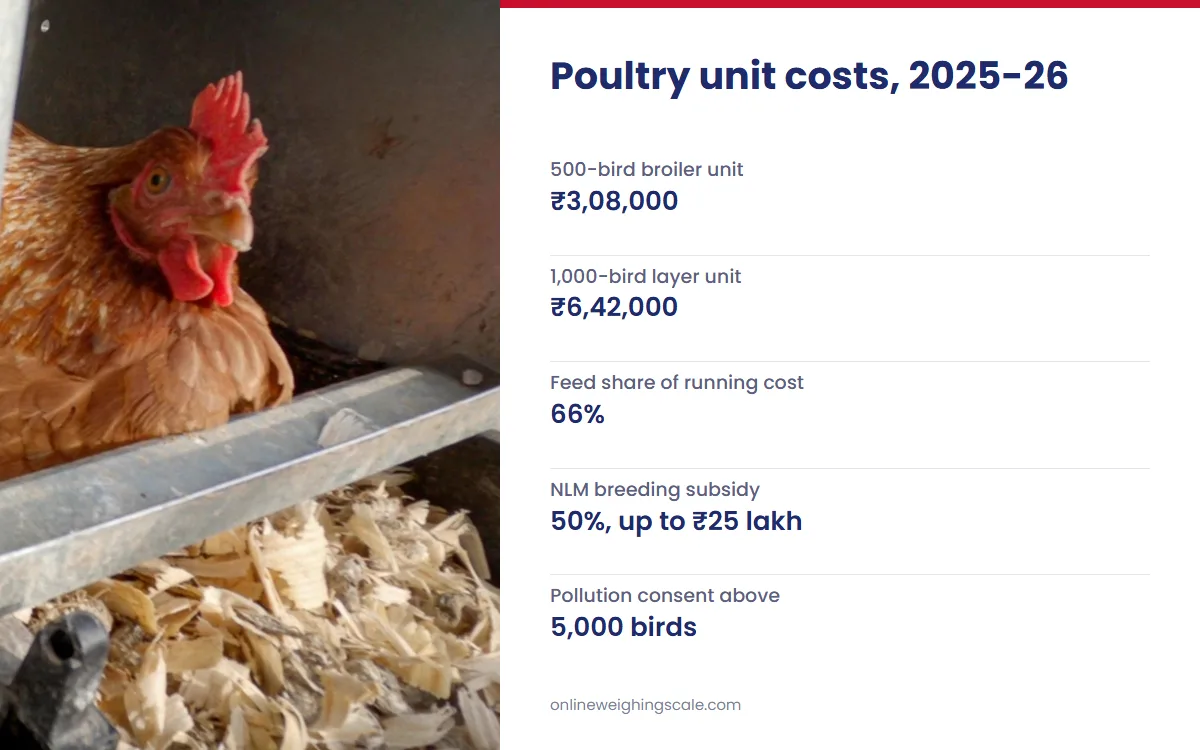
A poultry farm business plan sets out what a broiler or layer unit will cost, what it should earn and how the bank loan gets repaid. NABARD's Jharkhand office puts a 500-bird broiler unit at ₹3,08,000 and a 1,000-bird cage layer unit at ₹6,42,000 in its 2025-26 unit costs, checked November 2026. Banks test every plan against figures like these.
What a bank looks for in a poultry farm business plan
NABARD's model scheme for broiler farming lists what a project report for a bank loan should contain, under four heads. Use them as the chapters of your plan, whether it is a small chicken farm project or a large layer unit.
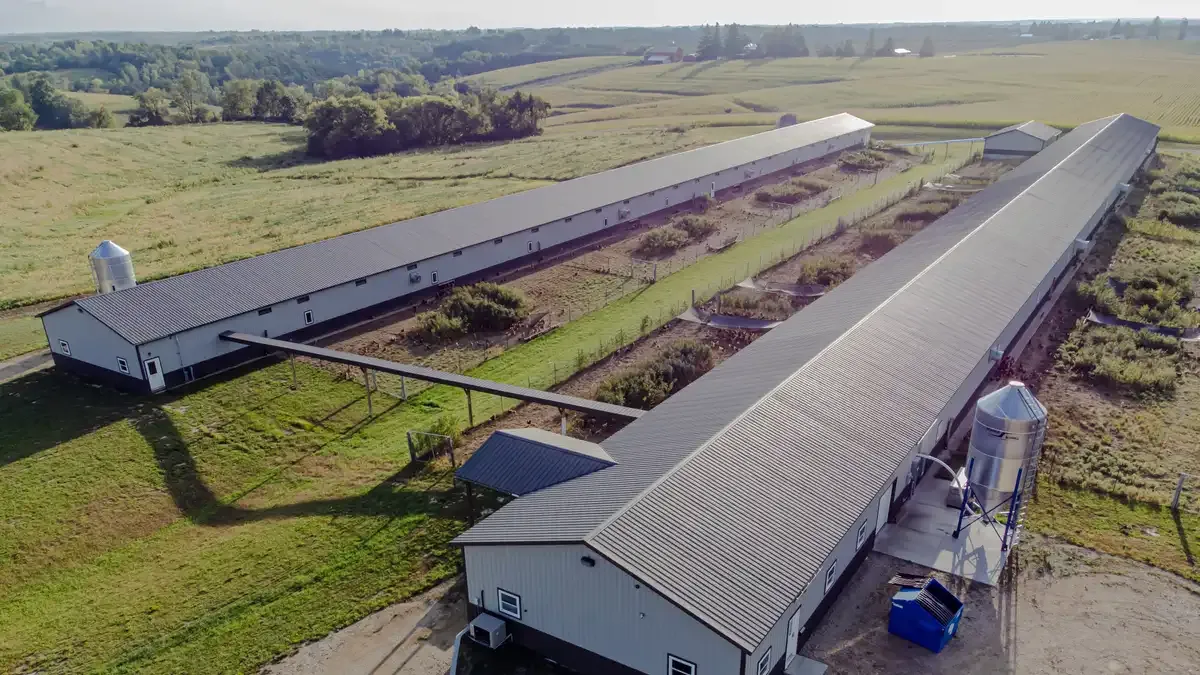
- Technical: land and site, farm size, sheds and equipment, the housing system, chick strain and source with vaccination, feed source and price, water and power, veterinary aid and transport, production targets for weight, FCR and mortality, a flock projection chart, and where and how the birds will be sold.
- Financial: capital and recurring costs, your margin and the loan, the assumptions behind the numbers, an income and expenditure statement, cash flow with IRR, NPW, BCR and DSCR, a repayment schedule and a break-even analysis.
- Managerial: who the borrower is, experience in poultry, finances and the staff who will run the shed.
- Others: the financing bank, training received, government assistance and any regulatory clearances.
The four ratios sound harder than they are. IRR is the yearly return the project earns on the money put in. NPW is today's value of all future surpluses after discounting. BCR divides discounted benefits by discounted costs, so a figure above 1 means the project pays. DSCR shows how many times the yearly surplus covers the loan instalment. The model also tells borrowers to consult the state animal husbandry department and visit working farms nearby before writing a number down.
Birds, housing, feed and disease are covered in the poultry farming guide. This page works through the money.
Contract broiler, own broiler or layer farm
The first decision fixes everything else in the plan: who buys the chicks and feed, who carries the price risk and how long the loan runs.
Contract broiler farming
Under contract farming, NABARD's model explains, the integrator supplies chicks, feed and medicines, gives technical guidance and buys back the whole flock after 5–6 weeks. The farmer invests only in the shed and equipment on his own land. He is paid a rearing charge, usually per kg of live weight, adjusted by criteria such as FCR and mortality. That shields the farm from market price swings. The model also warns that income falls if the integrator supplies fewer batches in a year, so the plan should state the batches the agreement promises.
Independent broiler farm
An independent grower buys chicks and feed and sells birds at the market rate, so the working capital and the price risk are his. NABARD's 10,000-bird model assumes 6 weeks of rearing and 2 weeks to clean the shed. That gives 6 batches in the first year and 7 a year after. Broiler rates and chick prices change daily, so this page quotes no market price; use quotes from your own district.
Layer farm
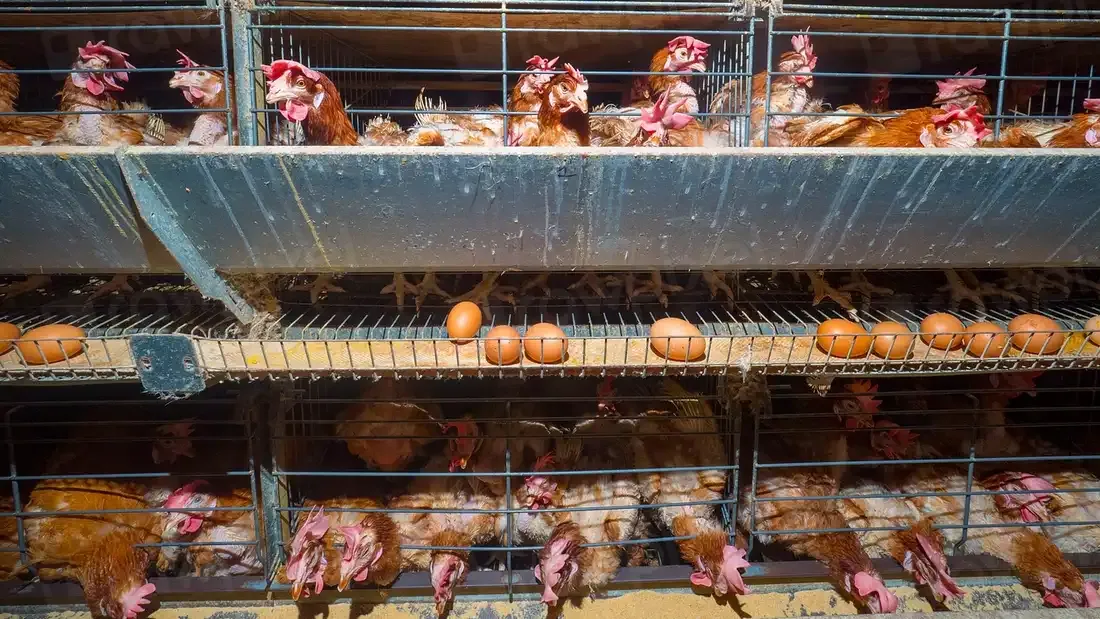
A layer farm, the hen farm of everyday speech, is an egg business. It earns from eggs over a long laying cycle, plus culled hens and manure at the end. Income starts months later than broilers, and the loan is shaped to fit. NABARD's layer model sets repayment over seven to nine years with the first year as a grace period. Cages and laying equipment push the capital cost per bird above a broiler shed's, as the table below shows.
Capital cost: NABARD unit costs for 2025-26
NABARD's regional offices publish unit costs that banks use for farm loans in their state. These are the poultry lines from two 2025-26 lists, checked November 2026. The Jharkhand breakdowns include the first batch's chicks, feed and medicines as well as the shed and equipment.
| Unit | Birds | Unit cost | Cost per bird | Repayment |
|---|---|---|---|---|
| Jharkhand broiler, deep litter | 250 | ₹1,52,000 | ₹608 | 5 years |
| Jharkhand broiler, deep litter | 500 | ₹3,08,000 | ₹616 | 5 years |
| Jharkhand broiler, deep litter | 1,000 | ₹5,94,000 | ₹594 | 5 years |
| Jharkhand layer, cage | 1,000 | ₹6,42,000 | ₹642 | 5 years |
| Jharkhand layer, cage | 5,000 | ₹32,90,000 | ₹658 | 5 years |
| Sikkim broiler | 250 | ₹93,750 | ₹375 | 5 years, 3 months grace |
The Jharkhand list gives every poultry unit a gestation period of 6 months to a year. In its 5,000-bird layer unit, cages and layer equipment at ₹170 a bird come to ₹8,50,000, about a quarter of the cost. The Sikkim office's list prices a 100-bird layer unit at ₹75,000 with 9 months of grace. Costs differ between states, so ask your bank which state's list applies.
Inside a 500-bird broiler unit
The Jharkhand list breaks its 500-bird broiler unit down line by line. It is a useful template for the capital cost sheet in any small broiler plan.
| Item | Basis | Amount |
|---|---|---|
| Shed | 600 sq ft at ₹319 per sq ft | ₹1,91,400 |
| Broiler equipment | ₹45 per bird | ₹22,500 |
| Electrical work | 3% of the civil cost | ₹5,742 |
| Chicks | 525 at ₹35, allowing 5% mortality | ₹18,375 |
| Bird insurance | 6% of the bird cost | ₹1,102 |
| Feed | At ₹30 per kg | ₹52,500 |
| Vaccines, medicines and sundries | ₹32 per bird | ₹16,000 |
| Total | Rounded from ₹3,07,619 | ₹3,08,000 |
The shed takes 62% of the money. The feed line buys 1,750 kg, which is 3.5 kg for each bird placed. The unit plans 525 chicks to sell about 500 birds, so mortality is built in from the first line. The shed lasts many batches, while feed and chicks are bought again every batch, so the running cost sheet decides whether the loan gets repaid.
Running costs, revenue and break-even
NABARD's 10,000-bird broiler model shows how the yearly numbers fit together. It buys 10,500 chicks to sell 10,000 birds, an allowance of about 5% for deaths. Each bird is fed 3.3 kg and sold at 1.7 kg live weight. Counting the feed eaten by birds that die, the batch converts 33,660 kg of feed into 17,000 kg of birds, an FCR of about 1.98.
In each full year the model spends ₹71,00,525. Feed takes ₹47,12,400, or 66%, and chicks take ₹16,17,000, or 23%. Medicines, labour and sundries cost ₹7,14,000 and insurance the rest. Income is ₹83,68,142, almost all from 1,19,000 kg of live birds, with small sums from manure and empty feed bags. The yearly surplus before loan repayment is ₹12,67,617.
The model counts broiler numbers for 2011-12, so its prices are old: chicks at ₹22, feed at ₹20 a kg and live birds at ₹70 a kg. Keep the method and put your own quotes in their place.
| Break-even step | NABARD model figure |
|---|---|
| Running cost per year | ₹71,00,525 |
| Live weight sold per year | 1,19,000 kg (7 batches × 10,000 birds × 1.7 kg) |
| Running cost per kg sold | About ₹60 |
| Sale price assumed | ₹70 per kg |
| Margin per kg before loan repayment | About ₹10 |
The break-even price per kg is the yearly running cost plus the loan instalment, divided by the kilograms you expect to sell. Two levers move it more than any other. Each 0.1 rise in FCR adds 1,700 kg of feed a batch in this model, about ₹2.4 lakh a year at its feed price, nearly a fifth of the surplus. Each extra 1% of deaths removes 100 birds, or 170 kg of sales, from every batch, after their feed has already been bought.
Loans and subsidies, checked November 2026
NABARD's broiler model puts the borrower's margin at 10% to 25%, depending on the borrower's category. Banks set the interest rate within RBI guidelines, and the model assumes 12.5% a year. It puts the usual repayment period for broiler loans at 6 to 8 years, while the Jharkhand list uses 5 years. Birds, sheds and equipment may be insured. Schemes change, so confirm each one below with your bank and district animal husbandry office.
- Kisan Credit Card for working capital. The Press Information Bureau's KCC note says short-term farm loans up to ₹3 lakh carry 7% interest, cut to an effective 4% for prompt repayment. It names poultry among the allied activities covered. Collateral-free credit rose to ₹2 lakh per borrower from 1 January 2025.
- National Livestock Mission. Its entrepreneurship programme gives a 50% capital subsidy of up to ₹25 lakh for a rural poultry parent farm, hatchery or brooder-cum-mother unit of 1,000 parent layers plus 100 males. Individuals, FPOs, self-help groups, joint liability groups, farmer cooperatives and Section 8 companies can apply. It approved 208 poultry projects between 2021-22 and 2025-26. A plain broiler or layer shed does not fit this unit.
- Animal Husbandry Infrastructure Development Fund. The department's 2025 year-end review lists a 3% interest subvention on loans of up to 90% of the project. It covers meat processing, animal feed plants and breed multiplication farms, not ordinary grow-out sheds.
- State schemes. Uttarakhand's poultry policy is one example. It pays a 30% subsidy in the plains and 40% in the hills on set-up cost, up to ₹54 lakh for a 30,000-bird plains layer farm and ₹63 lakh for a 10,000-bird plains broiler parent farm. The money comes in three parts: 50% when the infrastructure is built, 40% when birds are placed and 10% after two years of meeting the biosecurity rules. Smaller units are sent to the state's MSME policy. Other states run their own schemes and amounts.
Licences and bank conditions
A plan that ignores clearances can stall after the loan is sanctioned. List each one with its status and date.
- Pollution consent above 5,000 birds. The Central Pollution Control Board's poultry guidelines require farms with more than 5,000 birds at one location to get consent to establish and consent to operate from the state board, from 1 January 2023. Poultry is a green category activity, and consent runs for 15 years. Siting distances are listed in the poultry farming guide.
- FSSAI if you slaughter or sell meat. FSSAI's licensing norms, as published by Goa's Directorate of Food and Drugs Administration, need only registration for a business with turnover up to ₹12 lakh or slaughter of up to 50 poultry birds a day. Above 50 and up to 1,000 birds a day needs a state licence, and 1,000 or more a central licence. A farm that sells only live birds should confirm its position with the district food safety officer.
- Bank conditions. The Jharkhand list says new farms may be one km away from existing farms. It asks for a veterinary check of the flock, preferably once a month, a tie-up with a hatchery for regular chick supply, and a firm marketing arrangement for eggs from layer units.
- Shed design and training. The Sikkim list asks for end walls facing east-west, a floor about 1 foot above ground, a roof overhang of 3–5 feet and rat-proof wire nets. It releases shed loans in two instalments and expects a short course in broiler rearing before disbursement.
- Stamped scales for selling by weight. Scales used in trade need Legal Metrology verification and stamping; the Legal Metrology guide explains the Act.
Records and weighing: keeping the plan honest
The plan's flock projection and production targets become your first batch's report card. Keep a daily sheet with feed issued in kg, deaths and culls, water, vaccinations given and any treatment. Each week, weigh a sample of birds from different corners of the shed at the same hour. At sale, record the total birds, total kg and the rate. Total feed divided by total live weight sold gives the batch FCR to set against the plan.
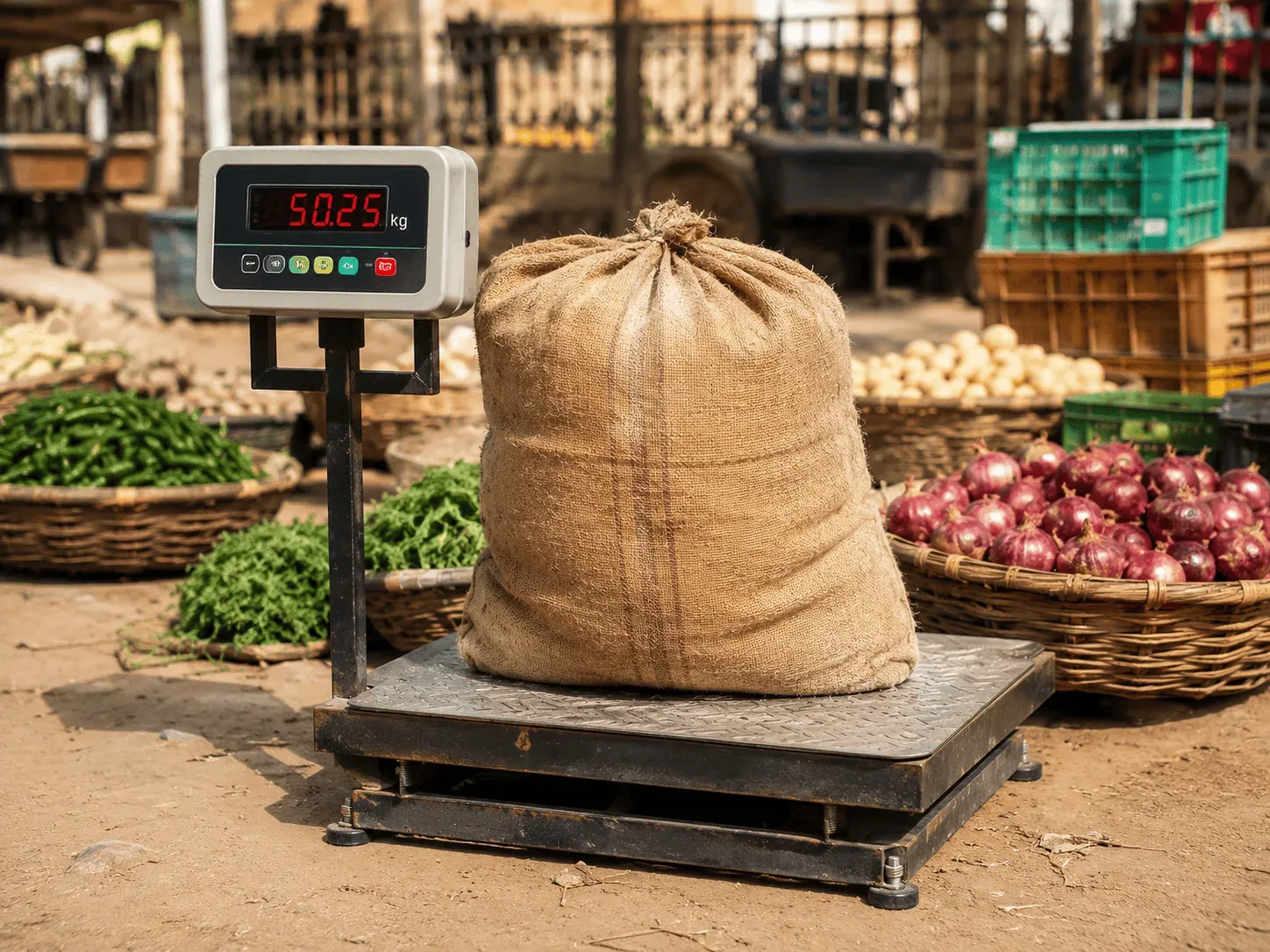
Both halves of FCR are weights, and a contract grower is paid per kg of live weight, so the scale decides the money. In NABARD's model, a scale reading 2% low would under-record 2,380 kg of birds a year, worth ₹1,66,600 at the model's price. Omace shop and chicken scales leave Bagru verified and stamped by Legal Metrology.
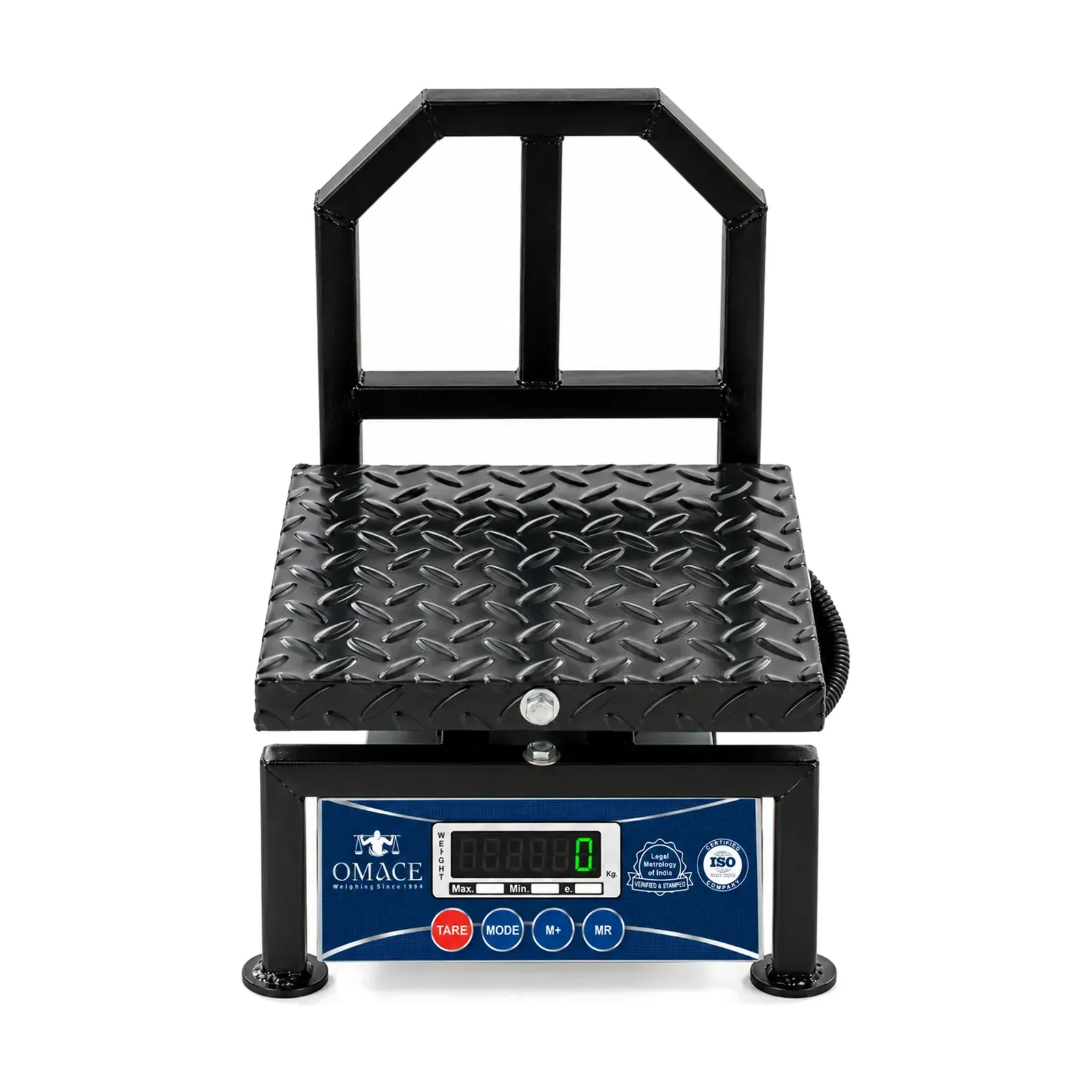
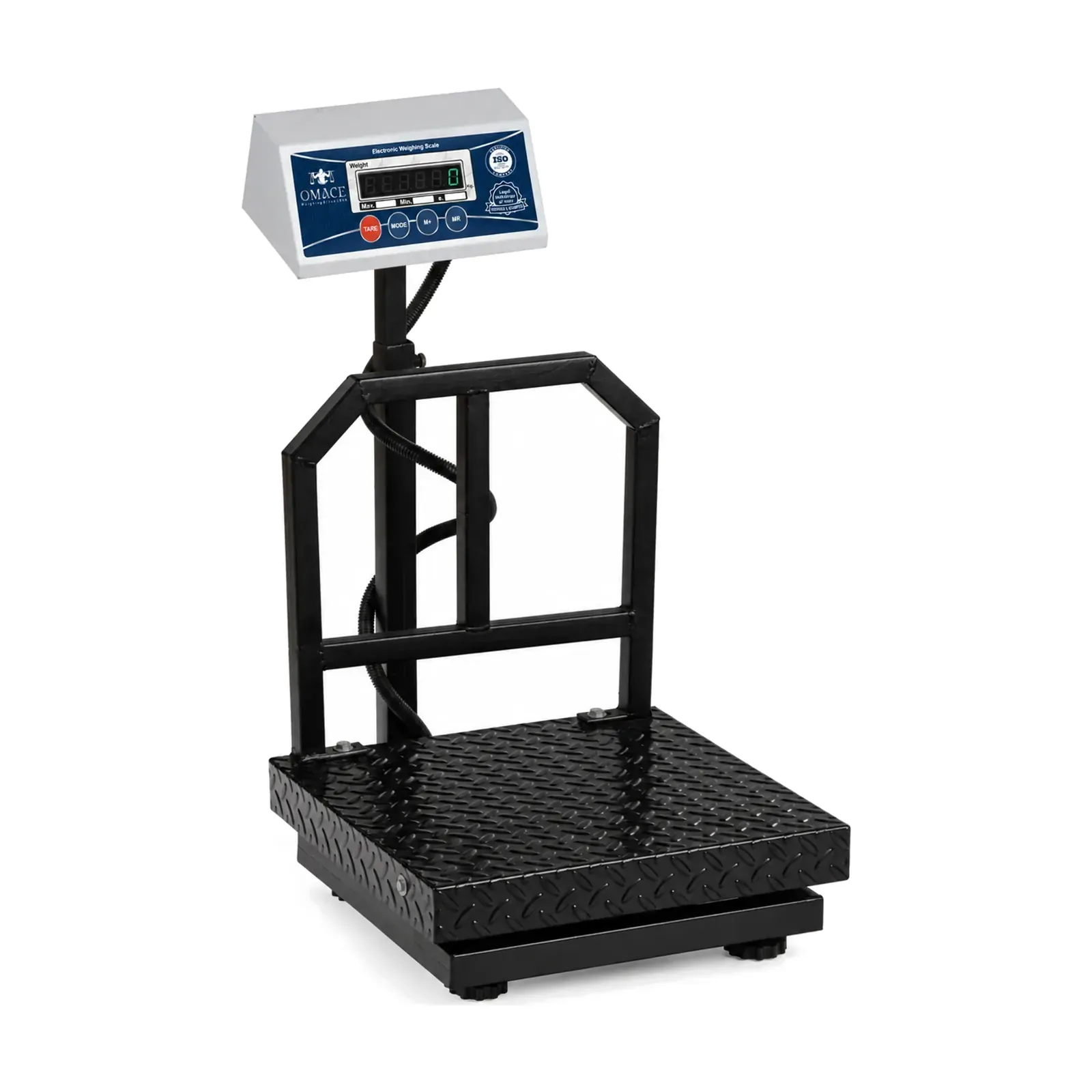
- The Omace Om-CK-MS chicken weighing scale has a mild steel chequered platform, double-sided green LED displays and a rechargeable battery, from 60 kg to 300 kg, priced ₹4,095–₹8,400.
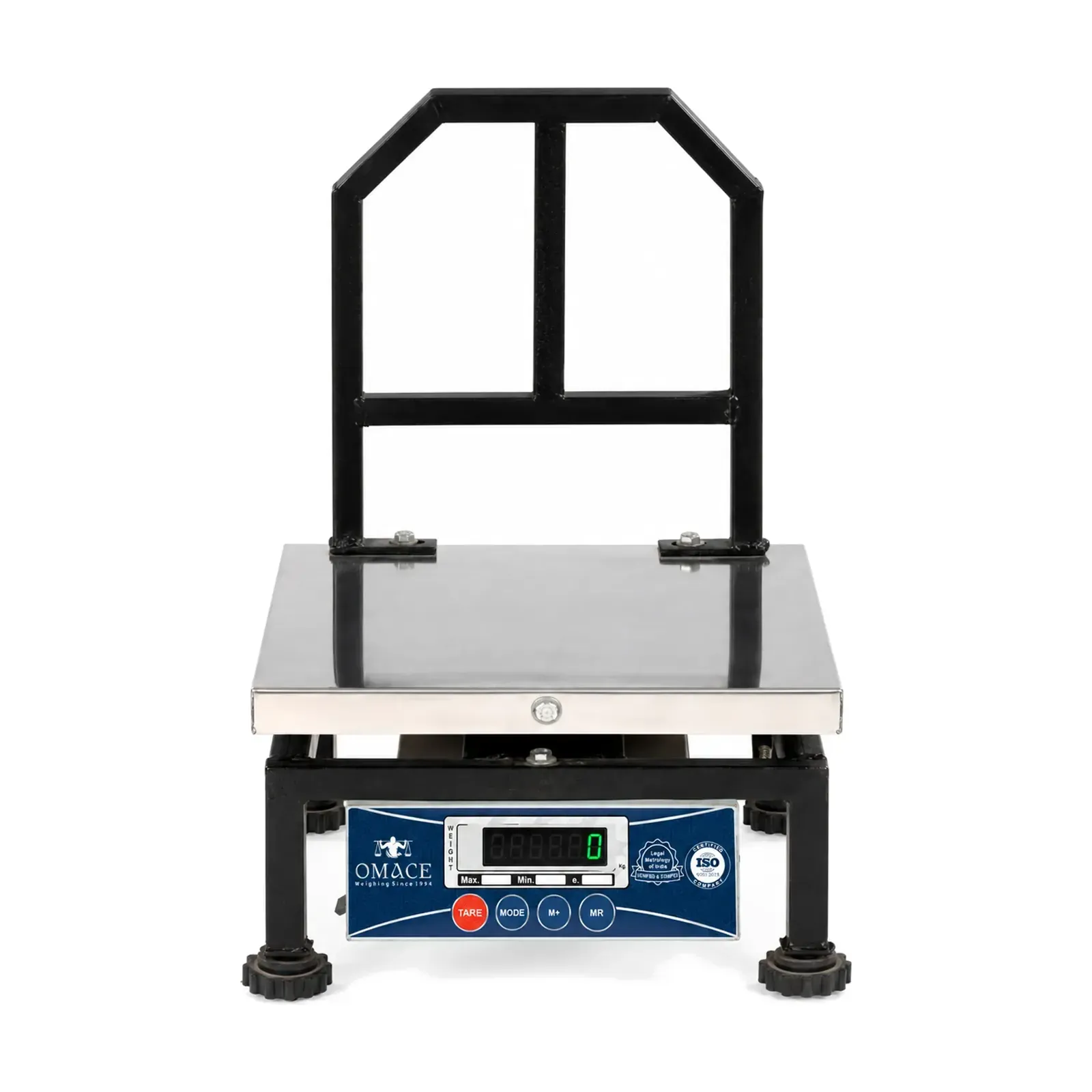
- The Omace Om-CK-SS poultry weighing scale has a stainless steel platform for sheds that are washed often, in the same capacities and price band.
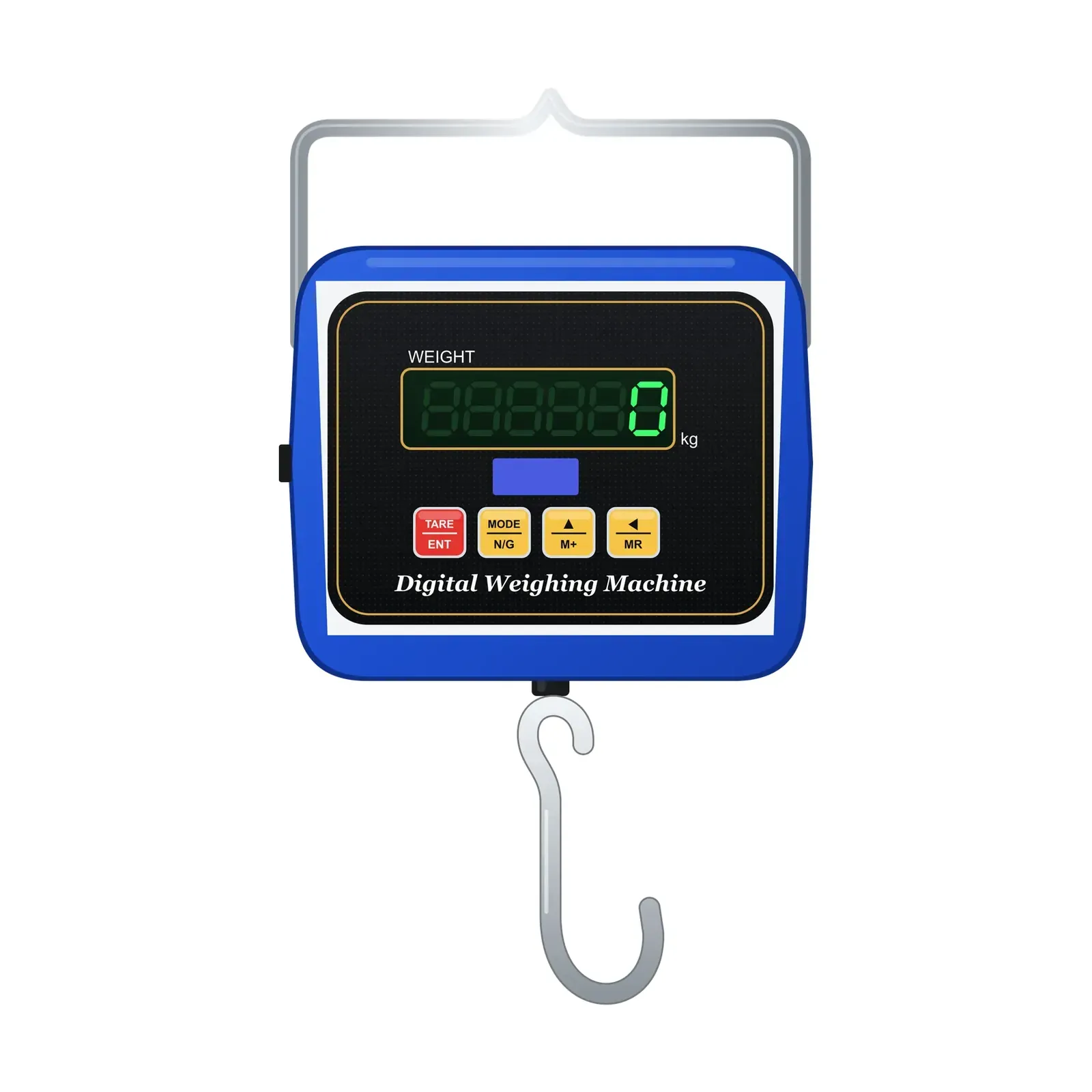
- The Omace 50 kg digital hanging scale reads in 10 g steps for weighing a sample of birds in a crate or bag, at ₹3,459.
- A 100 kg platform kanta reads in 10 g steps for checking feed bags on arrival, at ₹6,300.
Check the shed scale with a known weight before each sale; the chicken scale calibration guide shows how.
Why buy farm scales from a certified Indian manufacturer
Scales used for trade in India need Legal Metrology approval and verification before use. Omace shop, platform, chicken and crane scales leave the Bagru factory verified and stamped by Legal Metrology, and the stamp is valid across India. Every scale is checked with certified test weights before dispatch. Omace Brands Private Limited has manufactured weighing scales in Bagru, Jaipur since 1994. As a manufacturer, it holds ISO 9001:2015, ISO 13485:2016 and EU MDR quality certificates, and CE and US FDA compliance certificates, listed on its certificates page. Scales bought from the Omace store carry a 2-year warranty on manufacturing defects, and every Omace scale is made in India.
Taking the plan to the bank
Start with one shed and the unit cost your state's NABARD list gives for it. Replace every price in the model with a written quote dated this month: shed, equipment, chicks, feed and the rate your buyer or integrator offers. Work out the break-even price per kg with the loan instalment included, then test it with a higher FCR and more deaths. If the plan still repays at those numbers, it is ready for the bank manager, along with the clearances list and your training certificate.