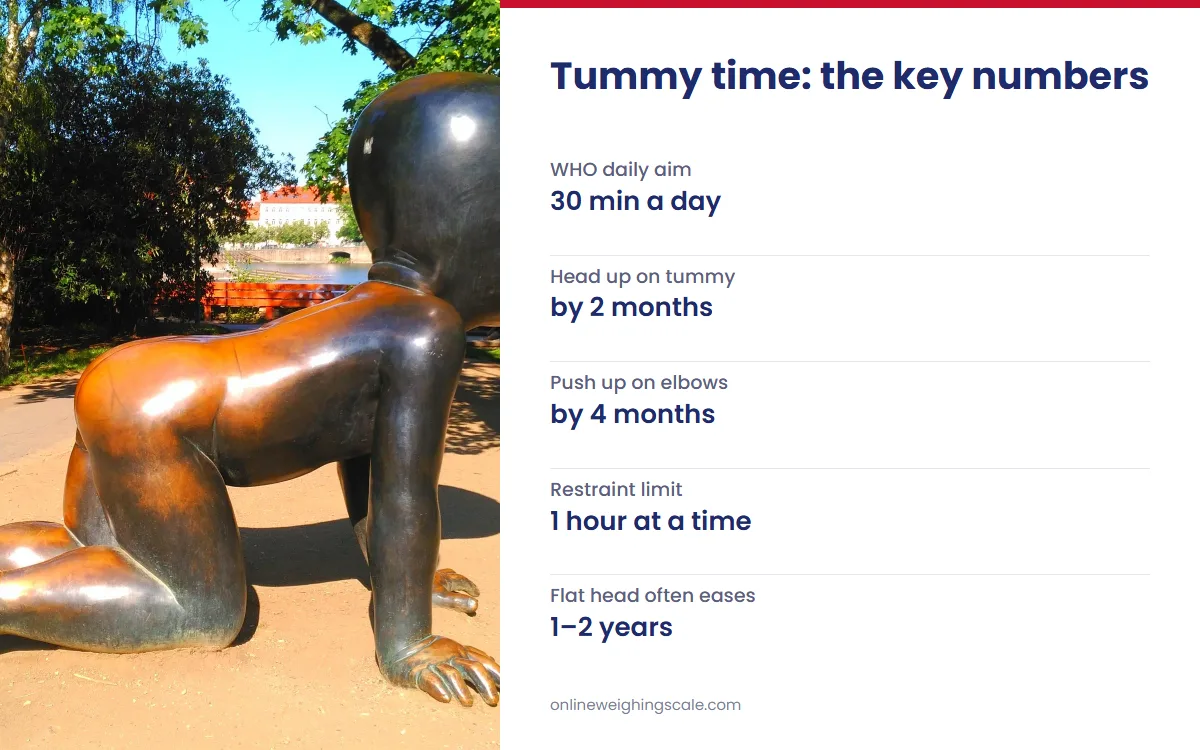
Tummy time means laying your baby on the stomach while awake and watched, and it can start from birth. WHO's 2019 guidelines ask for at least 30 minutes of tummy time a day, spread through the day, for babies who are not yet mobile. Sleep is separate: every sleep starts on the back.
What tummy time is and its benefits
Tummy time is awake play on the front, with an adult close by. In many Indian homes it is simply called pet ke bal khelna, play on the belly. The NHS says tummy time builds a baby's upper body strength, working the back, neck and shoulders, and gives the baby a different view of the room. Those muscles later help a baby push up and, in time, sit.
It also takes pressure off the back of the head. Young babies spend long hours on their backs, which is right for sleep. An NHS community service in Devon notes that tummy time helps prevent a flattened head shape. WHO's guidelines set a limit on the other side too: a baby under one should not be restrained in a pram, high chair or carrier for more than 1 hour at a time.
Is tummy time necessary for every baby? WHO counts it inside the daily activity it recommends for all infants who cannot yet move about on their own, so it belongs in ordinary care for a healthy baby. A baby born early, or one with a medical condition, follows the plan the doctor gives.
When to start tummy time
You can start in the first days at home. The NHS advises beginning from birth by lying the baby on your chest, only while you are fully awake and unlikely to doze off. Add a little time day by day, then move to the floor when the baby is ready.
Sessions with a newborn or a 1-month-old are short. Children and Family Health Devon, an NHS service, suggests starting with a few minutes twice a day and building up as the baby grows. Many short sessions add up: ten sessions of three minutes reach WHO's 30-minute daily figure.
Pick moments when the baby is awake and content, such as after a nappy change or a nap. A hungry or very sleepy baby will protest, and that protest says little about how tummy time is going.
Tummy time positions to try
Babies take to different positions, and switching between them keeps a session going. These four come from NHS and CDC advice.
On your chest
Lie back on the bed, or on a mat on the floor, with the baby on your chest and facing you. This is the easiest start for a newborn, because your face and voice give the baby a reason to lift the head. The NHS limits this position to times when you are fully awake.
Across your lap or legs
Sit on the floor with your legs stretched out and lay the baby across your knees or thighs, tummy down, with one hand resting on the back. Devon's NHS service lists the lap and the leg as good places to begin. A gentle pat on the back or a slow sway of the legs keeps the baby settled.
On the floor over a rolled towel
Spread a clean dhurrie or play mat on the floor and roll a small hand towel into a tube. Place it under the chest with the arms forward over it, as the NHS suggests for babies who find the floor hard work. The extra height makes lifting the head easier, and the towel comes away as the neck gets stronger.
Floor play with toys and faces
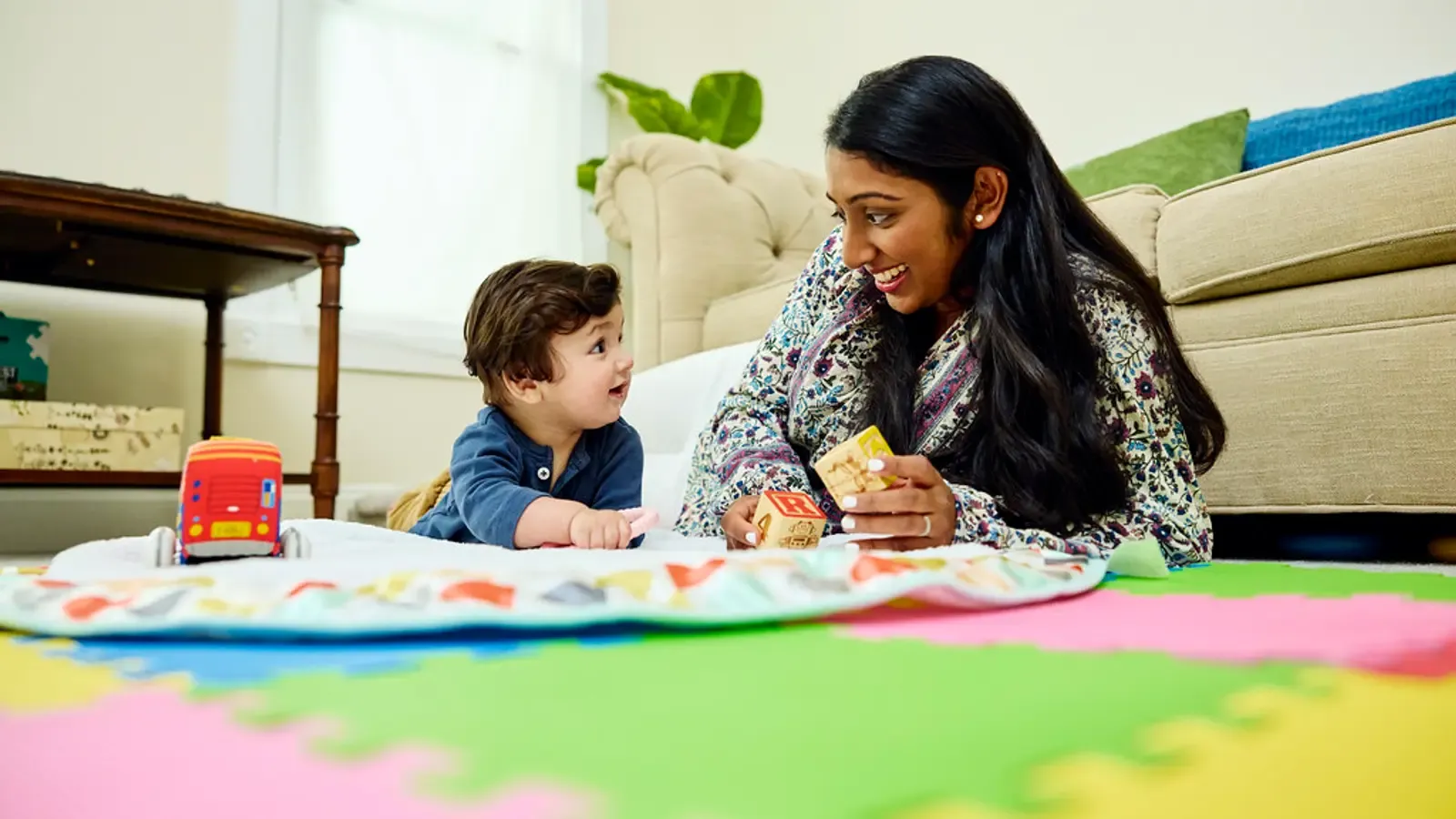
Get down to the baby's eye level. The CDC suggests putting toys at eye level in front of the baby to practise lifting the head. Later, toys placed just out of reach encourage rolling, and at 9 months the CDC suggests toys a little out of reach so the baby will crawl, scoot or roll to get them. A parent's face works as well as any toy.
Tummy time chart by age
The table pairs WHO's time guidance with the movement milestones in CDC's checklists at 2 months, 4 months, 6 months and 9 months. Those checklists describe what most babies do by each age. The month-by-month baby milestones chart adds speech, social and play skills.
| Age | Where to do it | What many babies do | Daily aim |
|---|---|---|---|
| Birth to 2 months | Parent's chest or lap, then the floor | Holds head up when on tummy by 2 months (CDC) | A few minutes, twice a day or more, building up |
| 2 to 3 months | Floor, over a rolled towel | Raises head at times when on tummy (ASHA handbook) | Towards 30 minutes in total |
| 4 months | Floor, toys in front | Pushes up onto elbows or forearms (CDC) | At least 30 minutes, in short sessions |
| 6 months | Floor, toys just out of reach | Pushes up on straight arms, rolls from tummy to back (CDC) | At least 30 minutes until mobile |
| 9 months | Open floor with room to move | Sits without support and gets to sitting alone (CDC) | Floor play several times a day (WHO) |
WHO gives one figure for every baby who is not yet mobile, 30 minutes a day, with no separate target for each month. Minute targets by month on other charts are not part of the WHO guideline. Once a baby moves about, WHO asks for activity several times a day, particularly interactive floor-based play.
Tummy time in India: the ASHA's head-lift check
India builds a tummy check into home visits. Under the Health Ministry's Home Based Care for Young Child programme, the ASHA visits at 3, 6, 9, 12 and 15 months, after the six or seven newborn visits of the first 42 days. The ASHA handbook on Home Based Care for Young Child sets out what she checks.
By 2 to 3 months, the handbook expects a baby to raise the head at times when lying on the tummy. The ASHA lays the awake baby on the stomach on a bed and watches whether the head lifts at least 2 to 3 inches from the surface for a brief moment. The handbook asks that the baby be fed at least half an hour before this check. A baby who cannot lift the head at all by 3 months is a warning sign for referral, and the result goes on the MCP card.
Indian homes suit tummy time well. A cotton dhurrie on a clean floor is firm, which is what a baby needs to push against, while a soft gadda lets the face sink in. In summer, choose a cooler hour of the day and dress the baby in light cotton. A grandparent sitting on the floor and chatting face to face turns a session into a conversation.
Tummy time after feeding, and when a baby protests
Leave a gap after a feed. The ASHA handbook asks for a feed at least half an hour before its tummy check, and the same gap is a sensible habit for daily sessions.
Most babies complain about tummy time at first. The NHS calls this very normal. It suggests your chest or lap, toys within easy reach, talking and singing, or a small rolled towel under the arms, and short sessions every day that gradually build tummy time until the baby is used to it.
Watch for signs that the baby has had enough: crying, the face dropping onto the mat, or fussing that does not settle. Devon's NHS service says to take a break when the baby starts to cry and try again later. If the baby gets sleepy, the CDC advises turning the baby onto the back in a safe sleep space, so a session never runs into a nap.
Flat head, safe sleep and supervision
A flat patch on the back or side of the head is common in young babies, the NHS says. It forms when pressure rests on the soft skull, and tight neck muscles, called torticollis, can cause it too. It often gets better in around 1 to 2 years as the head grows and the baby spends less time lying on the back.
The NHS does not provide helmets or headbands for flat head, because there is not enough evidence that they work. Its advice is plenty of awake time on the tummy. See a doctor if you are worried about the shape or size of the head, if the head always tilts to one side, or if the baby has difficulty turning it.
None of this changes how a baby sleeps. WHO's 2022 postnatal guideline recommends the back position for sleep through the first year to prevent sudden infant death. Stay beside the baby for every minute of tummy time, as NHS services and the CDC advise, and keep sessions on the floor, away from bed edges and sofa cushions.
Weight checks alongside tummy time
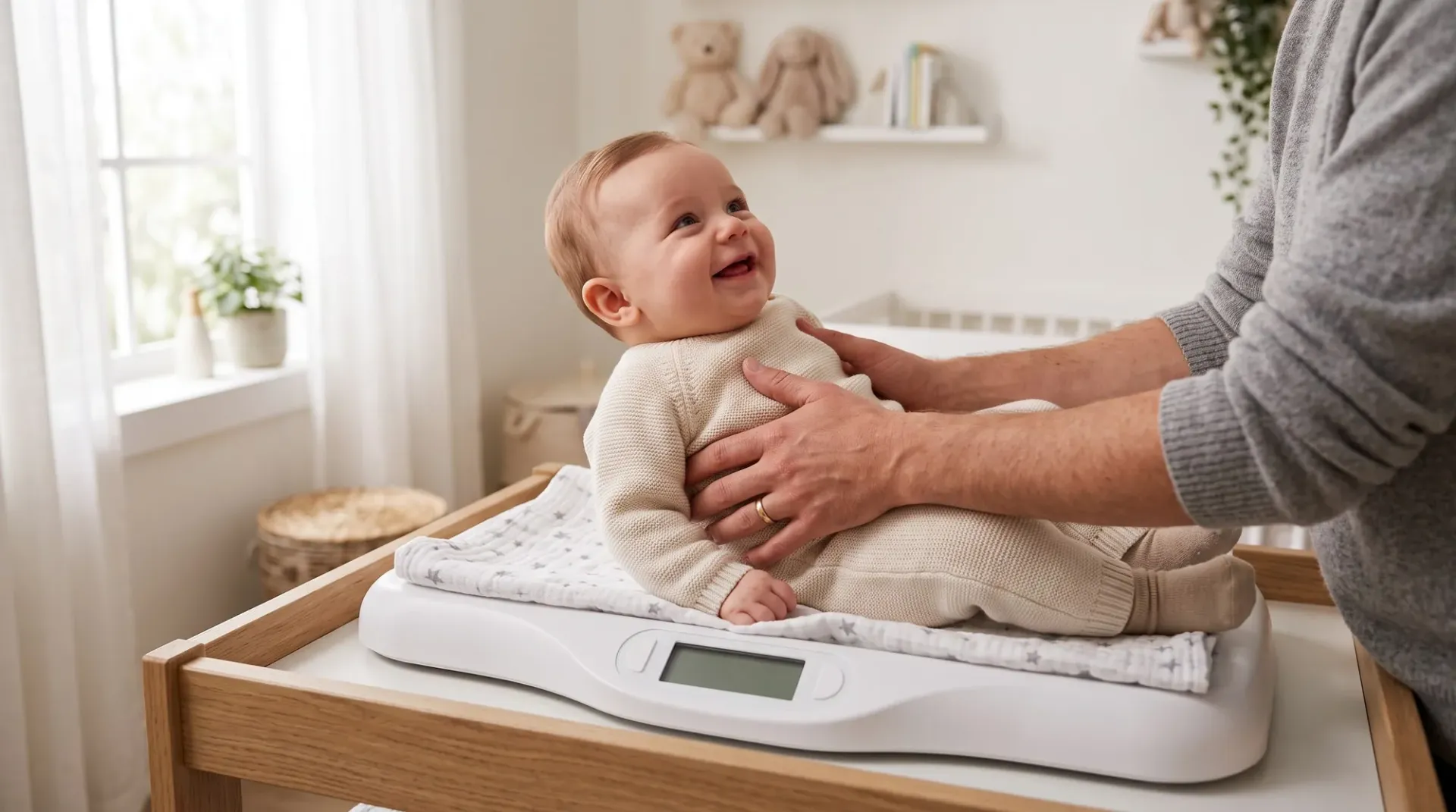
Tummy time shows how a baby moves, and a scale shows how the baby grows. India tracks both. The same ASHA handbook says a child's weight should be recorded every month up to age 3, and length every three months until age 2, on the growth chart in the MCP card. Good head control and a good weight gain are separate signs, so one never stands in for the other.
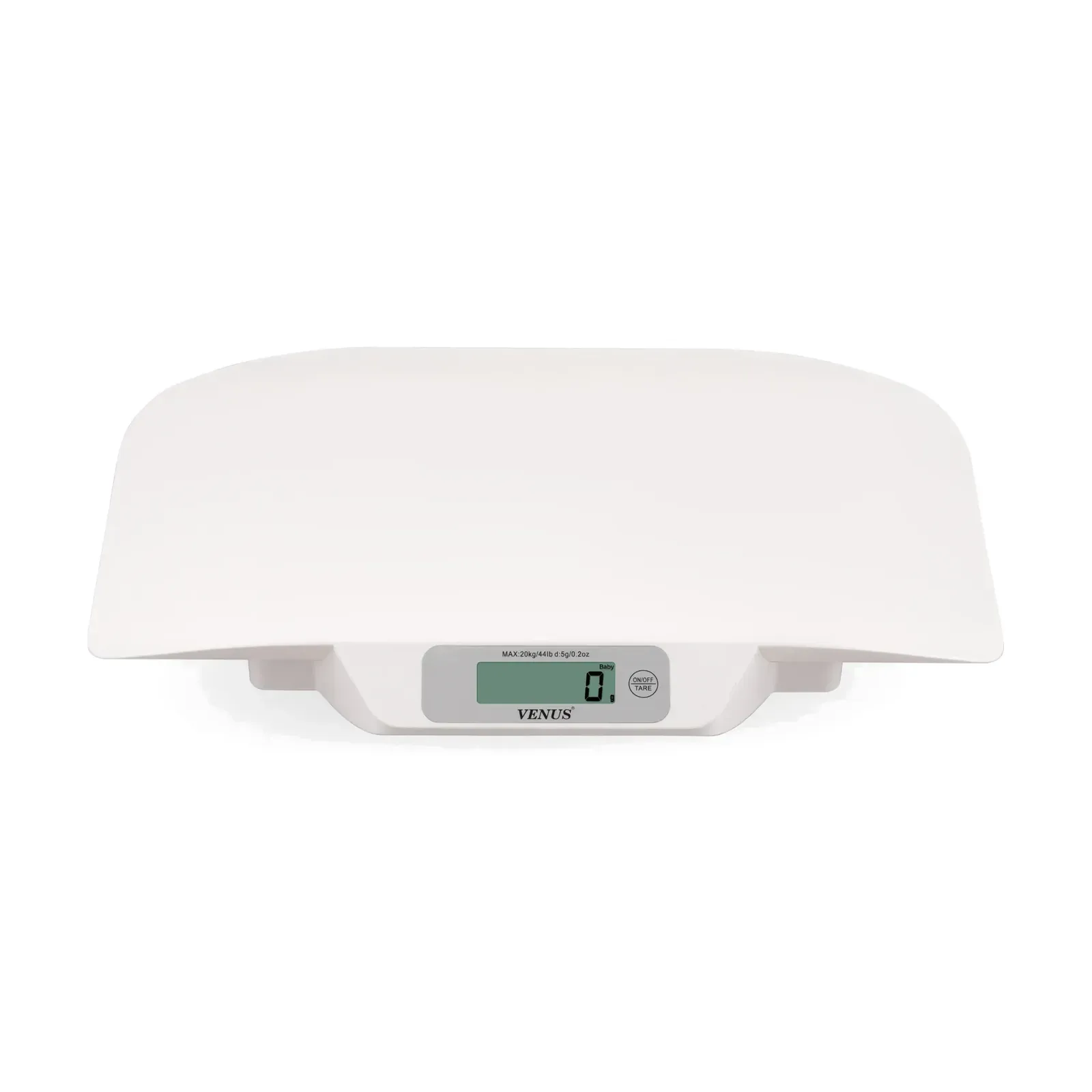
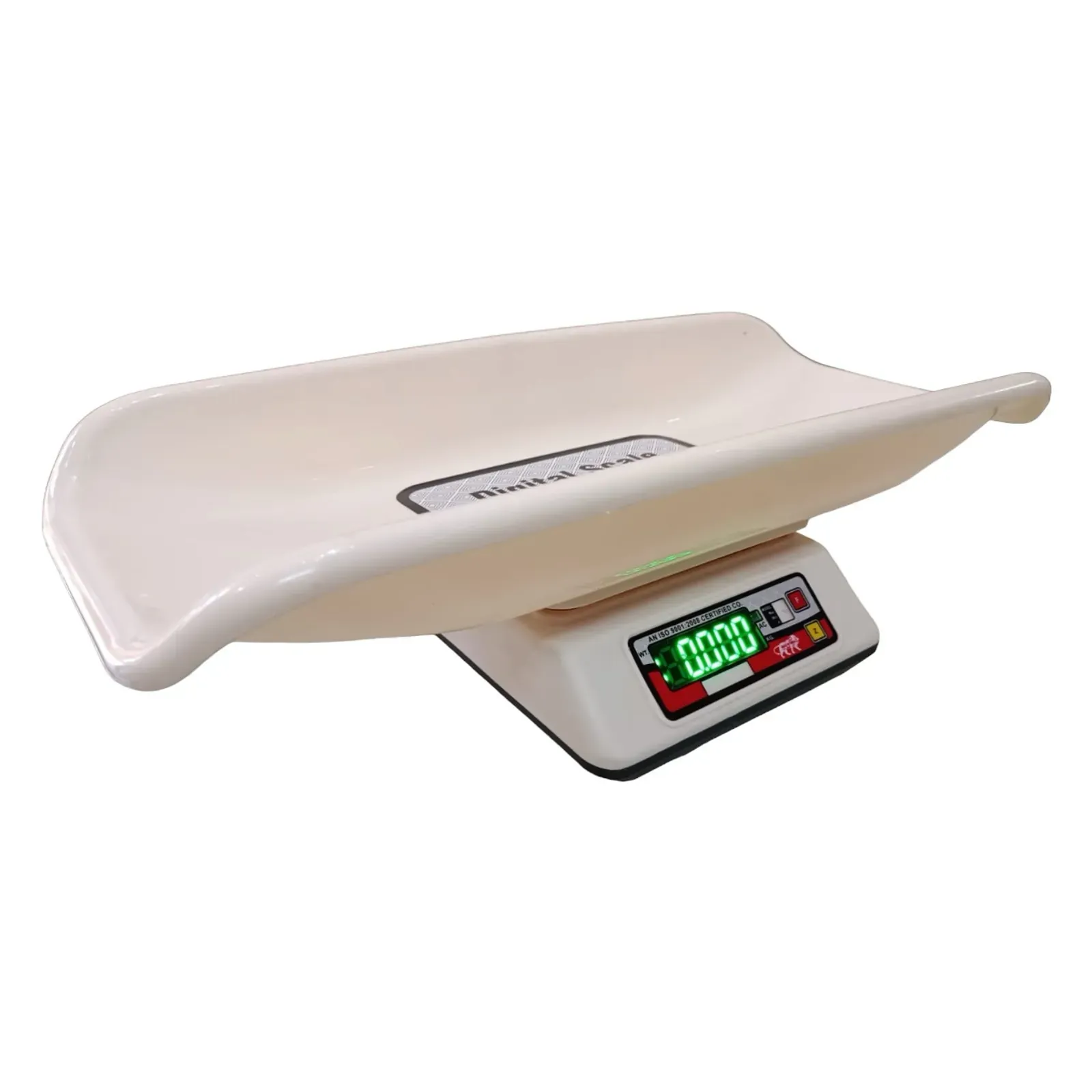
Families who weigh between visits use a baby weighing scale with a curved tray, and read the same scale each time. Omace Brands Private Limited makes baby scales at its factory in Bagru, Jaipur. To see whether a month's gain is on track, compare it with the WHO monthly weight gain guide.
When to ask a doctor or ASHA about tummy time
Talk to the doctor or ASHA if the baby cannot lift the head at all by 3 months, or if one side of the body moves much less than the other. The ASHA handbook lists both as warning signs. A head that always turns one way is a reason to see the doctor under the NHS flat head advice.
The CDC's advice for any missed milestone is to share your concerns with the child's doctor and ask about developmental screening. For a baby born early, ask the doctor when to start tummy time and how much to do. This is general information. Ask your doctor about your own baby.