
Baby milestones are skills most children show by a certain age, from the first social smile to walking alone. WHO's motor study found healthy children mostly start walking alone between 8.2 and 17.6 months, with a median of 12.0 months. A missed milestone is a reason to ask your doctor, and a chart diagnoses nothing on its own.
What a developmental milestone means
A developmental milestone is a skill that most children can do by a given age. The word developmental describes how abilities build over time, while growth describes size. A baby can gain weight well and still be learning to sit, so the two are checked separately. CDC's checklists sort developmental skills into four groups: social and emotional, language and communication, cognitive, and movement and physical.
A neonate is a child under 28 days of age, according to WHO India. CDC's first checklist comes at 2 months, so newborn milestones in the first weeks have no list of their own there. Those weeks are for feeding, sleep and the first short sessions of tummy time.
Milestones chart by age, 2 to 24 months
CDC and the American Academy of Pediatrics revised these checklists in 2022. Each milestone is one that about 75% of children are expected to reach by that age. The lists follow routine check-up ages, so a separate row for every single month would be guesswork. The table shortens CDC's pages for 2 months, 4 months, 6 months, 9 months, 12 months, 15 months, 18 months and 24 months.
| Age | Moving and using hands | Sounds and words | Thinking and people |
|---|---|---|---|
| 2 months | Holds head up on tummy; moves both arms and legs; opens hands briefly | Makes sounds other than crying; reacts to loud sounds | Looks at your face; smiles when you talk; watches you move |
| 4 months | Holds head steady when held; pushes up on forearms on tummy; brings hands to mouth | Coos, like oooo and aahh; turns head to your voice | Smiles to get attention; chuckles; looks at own hands |
| 6 months | Rolls from tummy to back; pushes up on straight arms; leans on hands when sitting | Blows raspberries; squeals; takes turns making sounds | Knows familiar people; laughs; reaches to grab a toy |
| 9 months | Sits without support; gets to sitting alone; moves things from hand to hand | Babbles mamamama and bababa; lifts arms to be picked up | Shy with strangers; looks when called; looks for dropped things |
| 12 months | Pulls up to stand; walks holding furniture; picks up small bits with thumb and finger | Waves bye-bye; calls a parent mama or dada; understands no | Plays clapping games; puts a block in a cup; looks for hidden toys |
| 15 months | Takes a few steps alone; feeds self with fingers | Tries 1–2 other words; points to ask for something | Copies other children; claps when excited; stacks two small objects |
| 18 months | Walks without holding on; scribbles; climbs on and off a chair alone | Tries 3 or more other words; follows one-step directions | Points to show you things; helps when being dressed; copies chores |
| 24 months | Kicks a ball; runs; walks up a few stairs; eats with a spoon | Says two words together; points to 2 body parts | Notices when others are upset; plays with several toys at once |
Read each row as a checkpoint for that age. On CDC's lists, most babies roll from tummy to back by 6 months, sit without support by 9 months and pull up to stand by 12 months. Most children take a few steps alone by 15 months, walk without holding on by 18 months and put two words together by 24 months. The examples are American, and a toddler saying paani do counts the same as one saying more milk.
When babies sit, crawl, stand and walk
WHO's Motor Development Study followed 816 children aged 4 to 24 months in Ghana, India, Norway, Oman and the USA. It recorded six big movement skills, and the table gives WHO's published ages in months. The 1st and 99th percentiles mark the two ends of what WHO calls normal variation among healthy children.
| Milestone | 1st percentile | Median | 75th percentile | 99th percentile |
|---|---|---|---|---|
| Sitting without support | 3.8 | 5.9 | 6.7 | 9.2 |
| Standing with assistance | 4.8 | 7.4 | 8.4 | 11.4 |
| Hands-and-knees crawling | 5.2 | 8.3 | 9.3 | 13.5 |
| Walking with assistance | 5.9 | 9.0 | 10.0 | 13.7 |
| Standing alone | 6.9 | 10.8 | 12.0 | 16.9 |
| Walking alone | 8.2 | 12.0 | 13.1 | 17.6 |
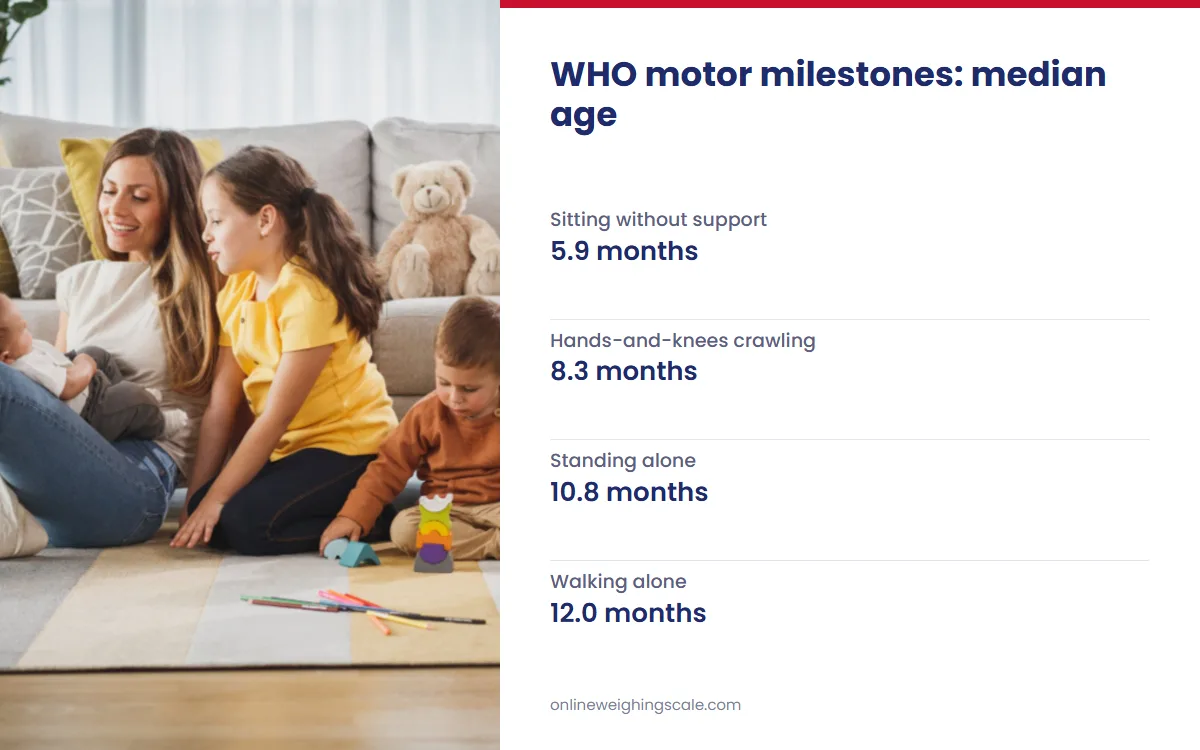
About 90% of the children reached five of the milestones in the same order, and 4.3% never crawled on hands and knees. So a baby who skips crawling is within what WHO saw in healthy children. CDC's lists from 2 to 24 months do not name crawling at all, while India's Mother and Child Protection card places it at 10–12 months.
Why WHO and CDC charts give different ages
WHO's table describes when healthy children reach a skill. CDC's list marks the age at which a parent or doctor should look closer if the skill has not appeared. CDC's 2022 paper explains the choice: lists built on median ages can encourage a wait-and-see approach, because half of children are not expected to have the skill by that age.
Sitting shows the gap. In WHO's data, 75% of children sit alone by 6.7 months, and CDC asks about sitting at 9 months. For walking alone, WHO's 75th percentile is 13.1 months, and CDC asks about walking without holding on at 18 months. A chart that says babies walk at 12 months is quoting the median, and half of healthy babies walk later than that.
Tummy time: when to start and how much
Tummy time means placing a baby on the stomach while awake and watched. Most babies can start a day or two after birth, according to the US National Institute of Child Health and Human Development (NICHD). It suggests two or three short sessions of 3 to 5 minutes a day, building to 15 to 30 minutes in total by about 2 months. WHO's 2019 guidelines ask for at least 30 minutes spread through the day for babies who are not yet mobile.
- Spread a blanket on a clear area of floor; a clean dhurrie works too.
- Roll a small towel and place it under the arms to prop the baby up slightly.
- Try a short session after a nappy change or a nap.
- Put a toy within reach, or have someone sit in front of the baby and talk.
Tummy time builds the neck, shoulder and arm muscles a baby later uses to sit up, and it helps prevent flat spots on the back of the head. NICHD notes that it does not directly reduce the risk of sudden infant death, so every sleep still starts on the back, as WHO advises for the first year.
Everyday things that help development
Parents need no special kit for any of this. WHO's 2019 guidelines and India's Mother and Child Protection (MCP) card cover most of it:
- Floor play: WHO asks for activity several times a day under 1 year, and at least 180 minutes a day at 1 to 2 years.
- Less time strapped in: no more than 1 hour at a time in a pram, high chair or carrier, says WHO.
- Screens: WHO does not recommend screen time under 2 years old, and it allows up to 1 hour at age 2. The MCP card asks families to avoid digital media before 24 months.
- Sleep: WHO gives 14–17 hours a day at 0–3 months, 12–16 hours at 4–11 months and 11–14 hours at 1–2 years, naps included.
- Talk and play: the MCP card asks parents to talk in the mother tongue daily and play peek-a-boo, called jhalak in Hindi. It also says that cuddling a baby or quickly answering a cry does not spoil the baby.
Milestone checks in India: the MCP card and free visits
India already prints a milestone chart for families. The MCP card lists what most babies do at each stage, from 2–3 months to 24 months and beyond, with warning signs and boxes for the ANM to mark. Three public programmes and one professional body add to it:
- Home visits: under Home Based Care for Young Child, an ASHA visits at 3, 6, 9, 12 and 15 months, and early childhood development is among its aims.
- Screening: Rashtriya Bal Swasthya Karyakram uses mobile health teams to screen children from birth to 18 years for 4 Ds, including development delays. The Early Intervention Centre at a medical college or district hospital is the first referral point.
- Vaccination visits: the Indian Academy of Pediatrics' 2022 consensus guideline asks for routine developmental surveillance at every immunisation visit until 2 years.
- Standard screening: the same guideline asks for a standardised screening tool at 9–12 months, at 18–24 months and at school entry. High-risk infants also get it at 4–6 months and yearly until 5 years.
Adjusted age for babies born early
WHO India counts a baby born alive before 37 weeks of pregnancy as preterm. For these babies, the American Academy of Pediatrics advises tracking development by adjusted age, also called corrected age, until 2 years. Subtract the weeks born early from the baby's actual age in weeks. A 24-week-old baby born 5 weeks early has an adjusted age of 19 weeks. The Academy says most children have caught up to the typical range by 2 years.
When to talk to a doctor
CDC advises talking with your child's doctor if a child is not meeting one or more milestones, has lost skills, or if you have other concerns, and asking about developmental screening. The MCP card prints warning signs for each age and asks families to contact the ANM, anganwadi worker or a health provider if they see any one of them. This shortened version follows the card:
| Age | Signs to mention, from the MCP card |
|---|---|
| 3 months | No social smile; no eye contact during feeds or cuddles; no reaction to a sudden loud sound |
| 6 months | Lacks head control; cannot sit even with help; eyes do not follow a moving object |
| 9 months | Cannot roll over; needs support to sit; does not turn towards a sound |
| 12 months | Cannot pick up small objects with finger and thumb; does not respond to own name |
| 18 months | Cannot stand without support; does not point at a named object; no single words |
| 24 months | Does not walk steadily; cannot scribble; no two-word phrases |
A sign on this list starts a check and settles nothing by itself. The Indian Academy of Pediatrics describes screening as a brief standardised tool for spotting risk, and a diagnosis needs fuller standardised tests. Asking early matters, because parents in CDC's focus groups reported delays after being told to wait. This is general information. Ask your doctor about your own baby's milestones and readings.
Reading growth and milestones together
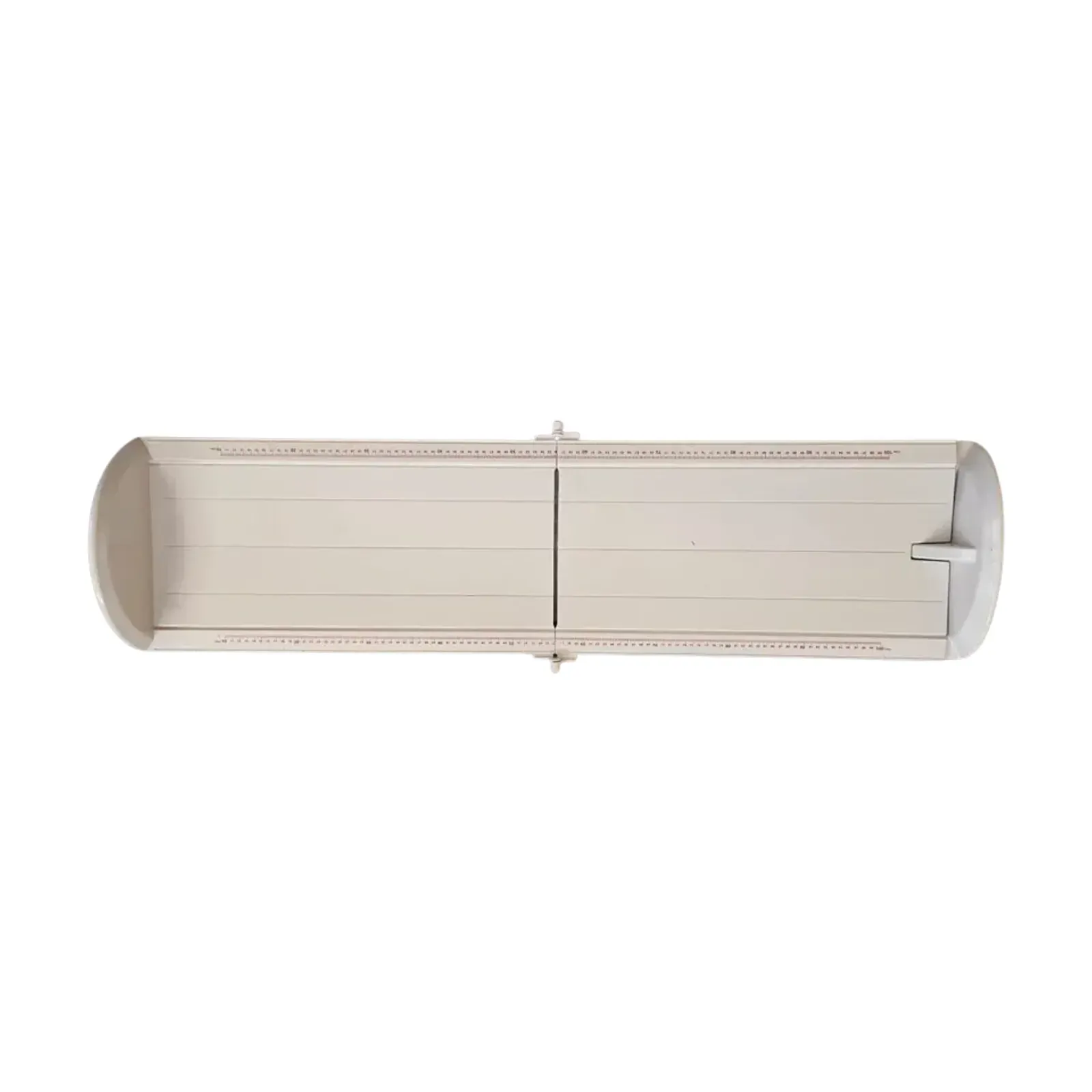
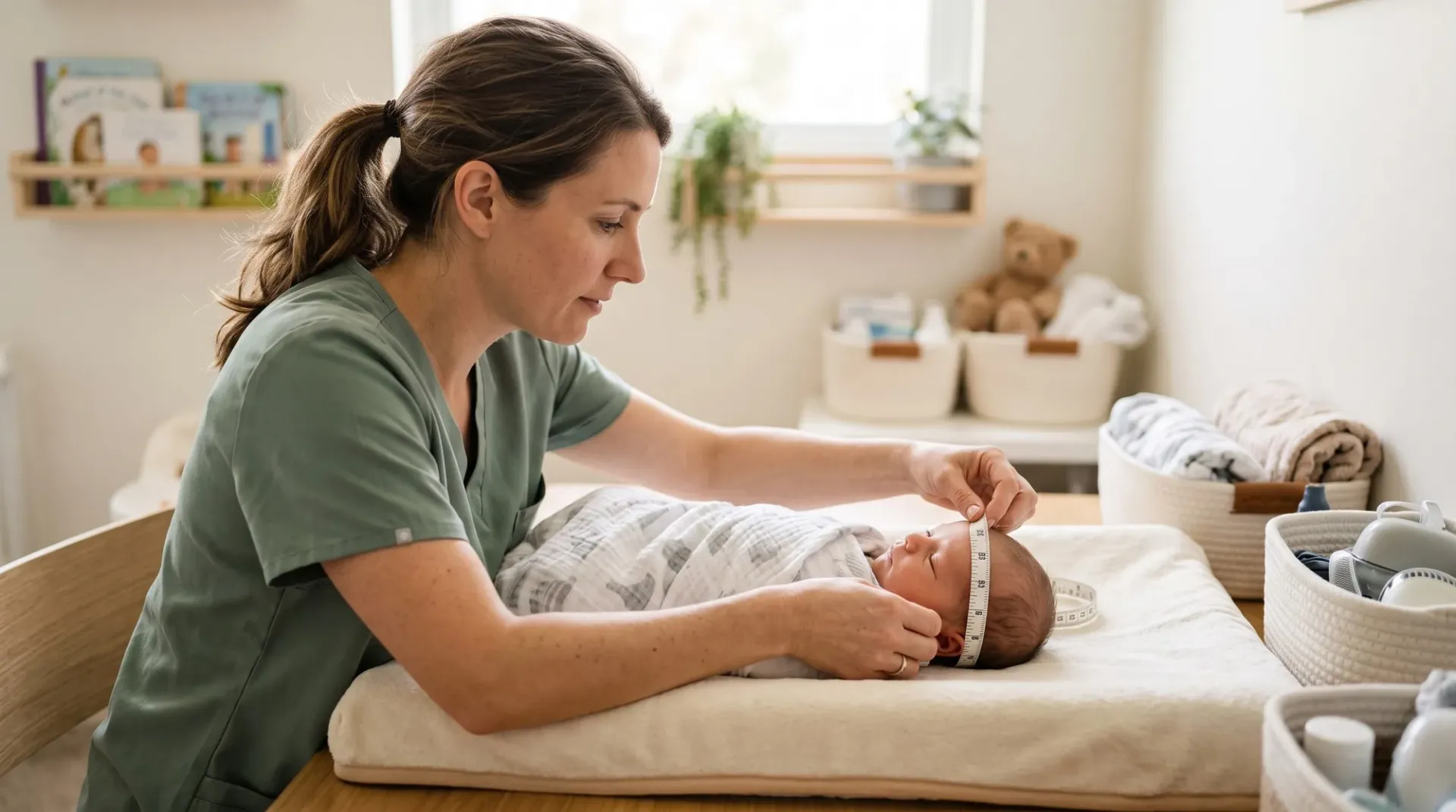
WHO's Multicentre Growth Reference Study was built to assess both growth and development, and doctors read the two side by side. For the growth half, see how much weight a baby gains each month, the head circumference chart and the boys growth chart. Length is measured lying down, and the steps are in how to use an infantometer.
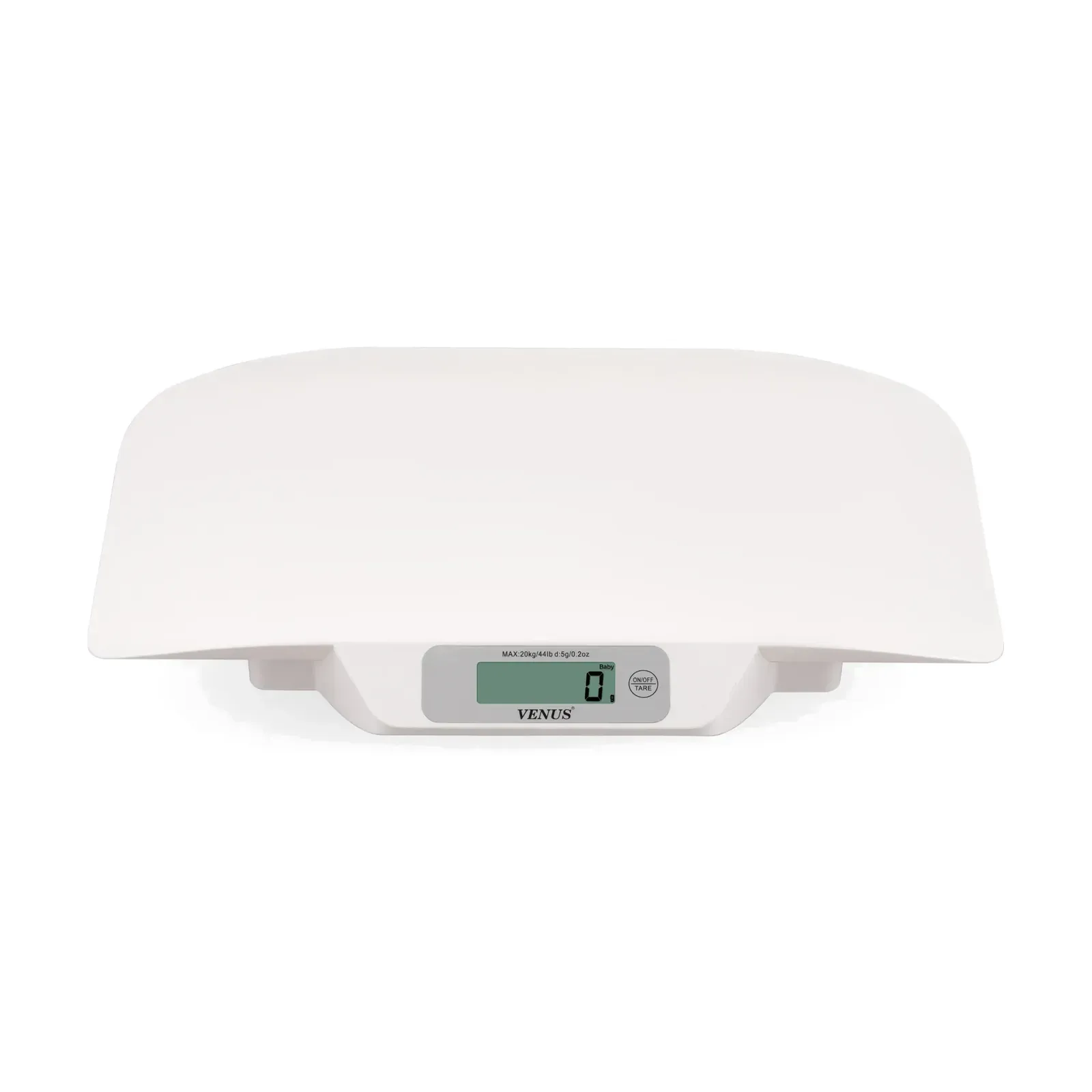
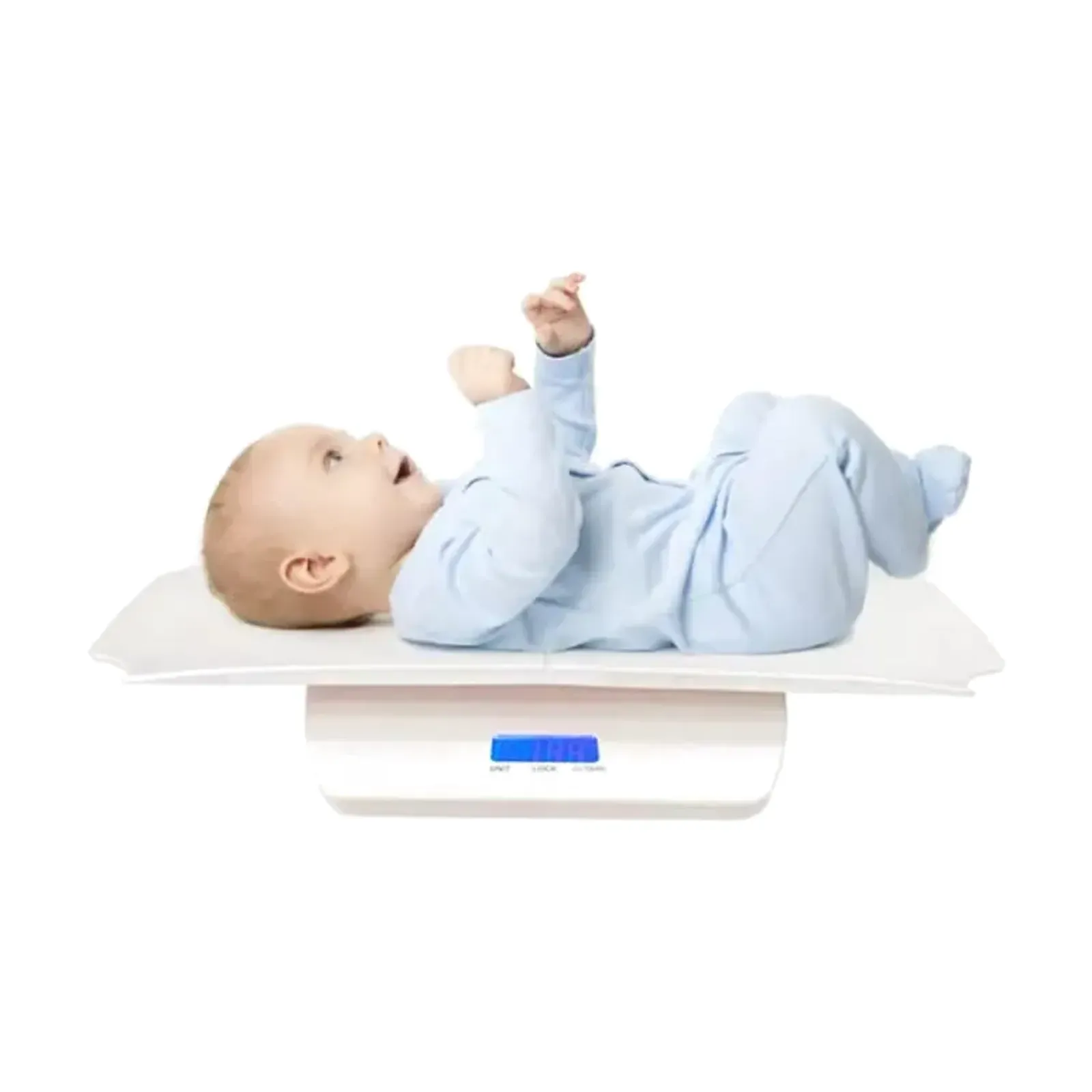
A scale or length board records a number and diagnoses nothing, and no reading is a target to chase. Omace Brands Private Limited makes baby scales in Bagru, Jaipur, and every scale is checked with certified test weights before dispatch.
Keeping your own milestone record
Note the date beside each new skill, on the MCP card or in your phone, and take that record to vaccination visits. Those are the visits where the Indian Academy of Pediatrics wants the questions asked. A short phone video helps when something worries you, because babies rarely perform on demand in a clinic. Comparing a baby with their own last month also tells you more than comparing with a cousin.