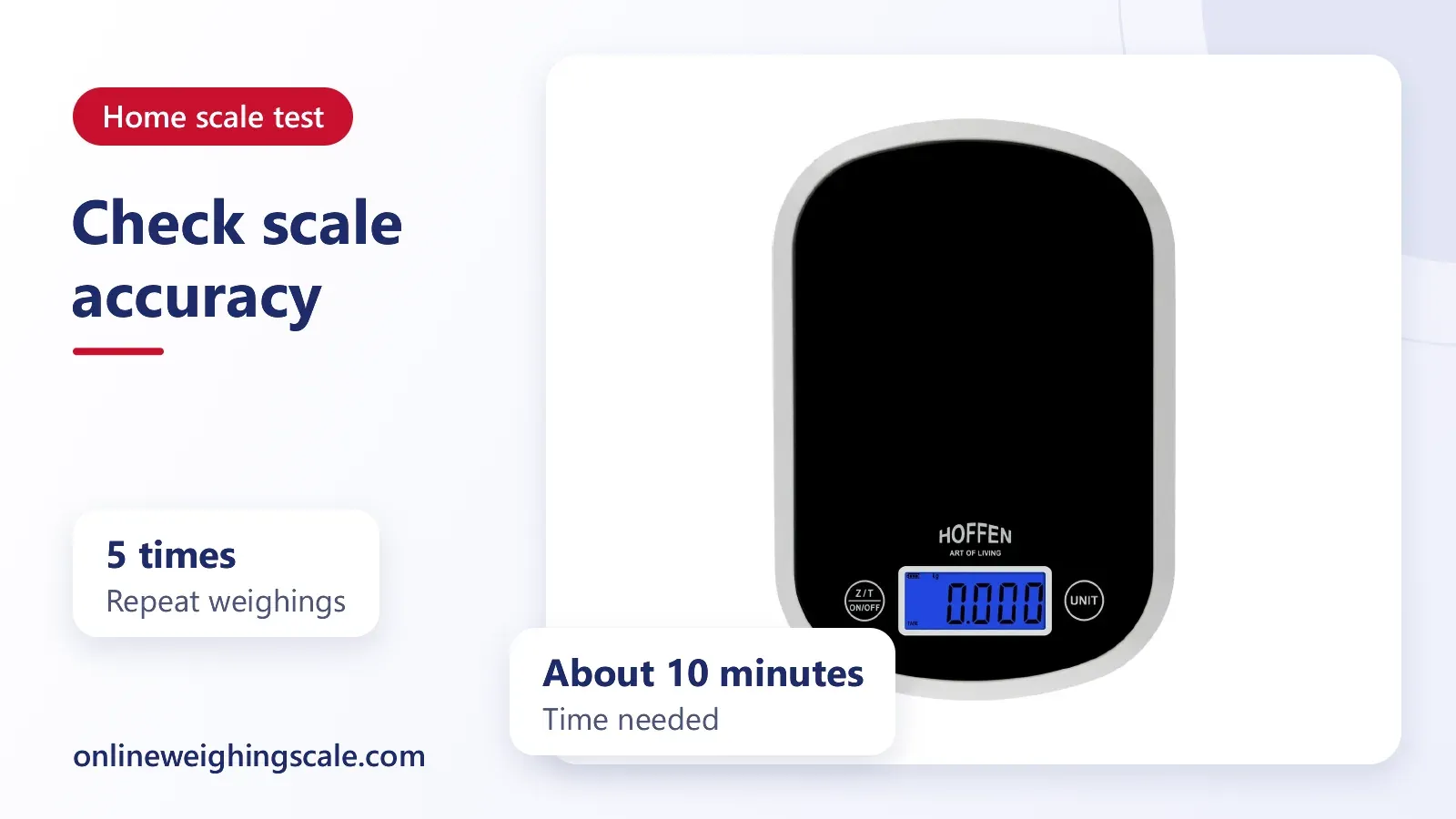
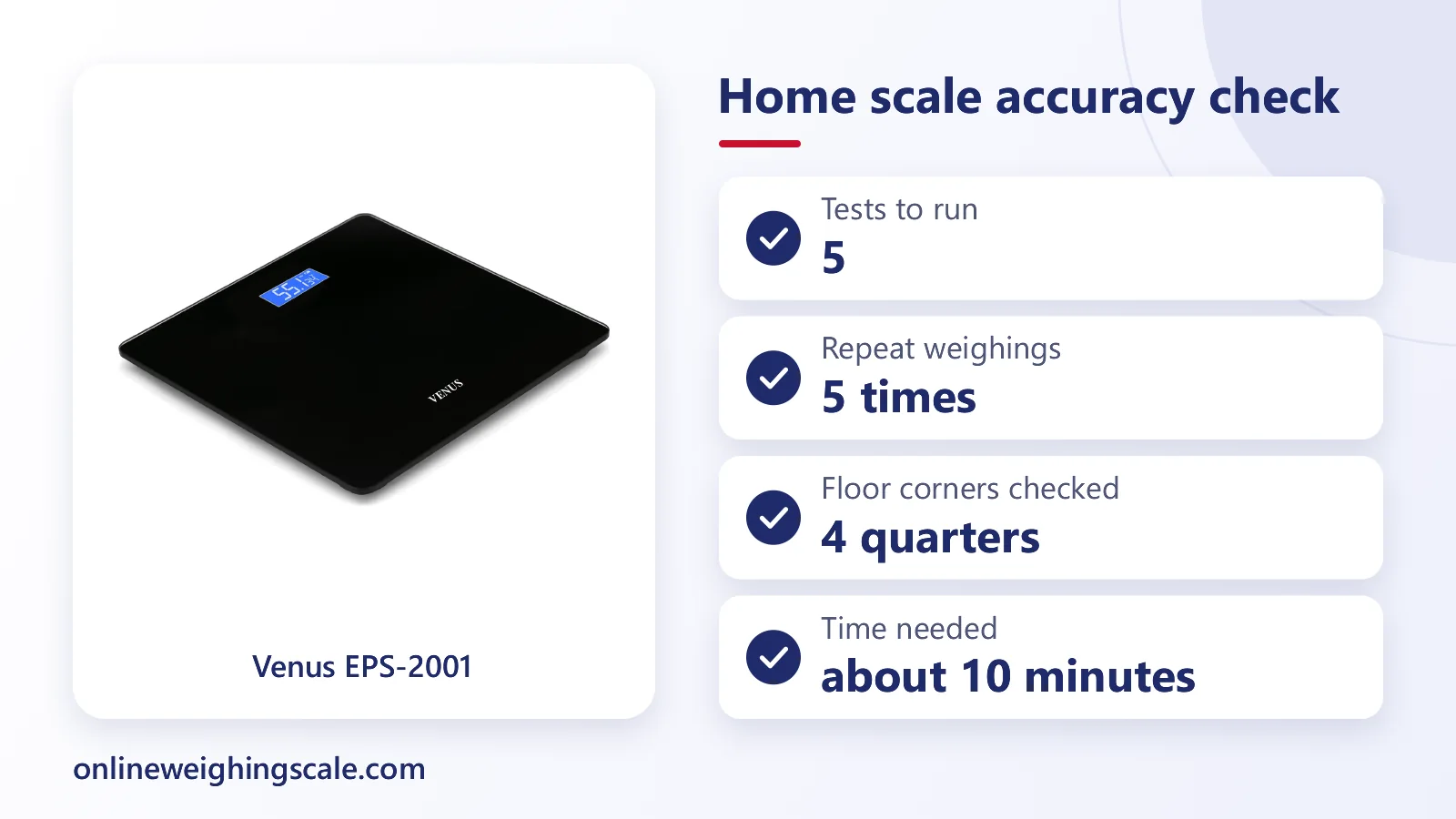
To check weighing scale accuracy at home, run five short tests: zero return, a known weight, five repeats of one object, two objects weighed apart and then together, and the four corners of the platform. The whole check takes about ten minutes and needs only a sealed packet or two from your kitchen.
What accuracy means for a home scale
A scale is accurate when its reading matches the true mass of what is on it. A scale can also fail in quieter ways: it may not return to zero, give a different number each time, or read differently when the load sits near an edge. The five tests below look for each of these faults separately, so you learn what is wrong and not only that something is.
These tests follow the same ideas used by official inspectors, only with household objects. The international recommendation OIML R 76-1 requires repeatable results (clause 3.6.1) and correct indications for different positions of a load, called eccentric loading (clause 3.6.2). The US National Institute of Standards and Technology publishes Handbook 44, the scales code, which includes an increasing-load test and a shift test. Measurement Canada's field inspection manual for non-automatic weighing devices describes the eccentricity test for a four-point platform: a test load of one third of Max at the centre, then with its centre near the middle of each quarter, without overhanging the edge. The home versions below keep that logic and drop the certified weights.
If the difference between accuracy and precision is new to you, our post on accuracy vs precision explains it with scale examples. In short, repeating the same reading shows precision, and matching a true weight shows accuracy. You need both.
Set up the scale before you test
Most wrong readings at home come from the setting, not the scale. Put the scale on a hard, flat floor such as tile or cement. A carpet, a rug or a wobbly floor tile changes the reading, especially on bathroom scales with four feet. Fit fresh batteries, because a weak cell is a common cause of drifting numbers. Switch the scale on, wait for the zero display, and leave it in the same spot for the whole check. Moving it between tests adds an error you will then blame on the scale.
Choose the unit you will use and keep it fixed. Grams are best for a kitchen scale and kilograms for a personal or bathroom scale. Write each reading on paper so you compare numbers, not memories.
Test 1: does it return to zero?
Switch the scale on with nothing on it. It should show zero, or a steady zero after a second or two. Now place a weight on it, take the weight off, and look again. A good scale returns to zero each time without you pressing anything. If it shows a small number such as 0.1 or 0.2 after the load is gone, press the zero or tare key once and repeat the test. A scale that needs this key press again and again is drifting, and every later reading will be off by that amount.
On a spring or dial scale, the pointer should rest exactly on zero. Many have a small screw or dial below the face to set it.
Test 2: weigh something whose weight you know
This is the real accuracy test, and you need an object of known weight. Three household choices work, each with a caveat.
- A sealed packet. The net weight is printed on the pack, for example a packet of sugar or flour. A single packet can differ a little from its label. Weigh two or three packets of the same size and look at the average, not one reading.
- A bottle of water. A litre of water is close to one kilogram, but not exactly. Its density changes slightly with temperature, and the bottle and cap add weight of their own. Weigh the empty bottle first, then subtract. Treat this as a rough check and not a measurement to the last gram.
- A dumbbell or gym plate. The number cast on the metal is a manufacturing mark and is often only approximate. It is fine for spotting a large error and not for judging a small one.
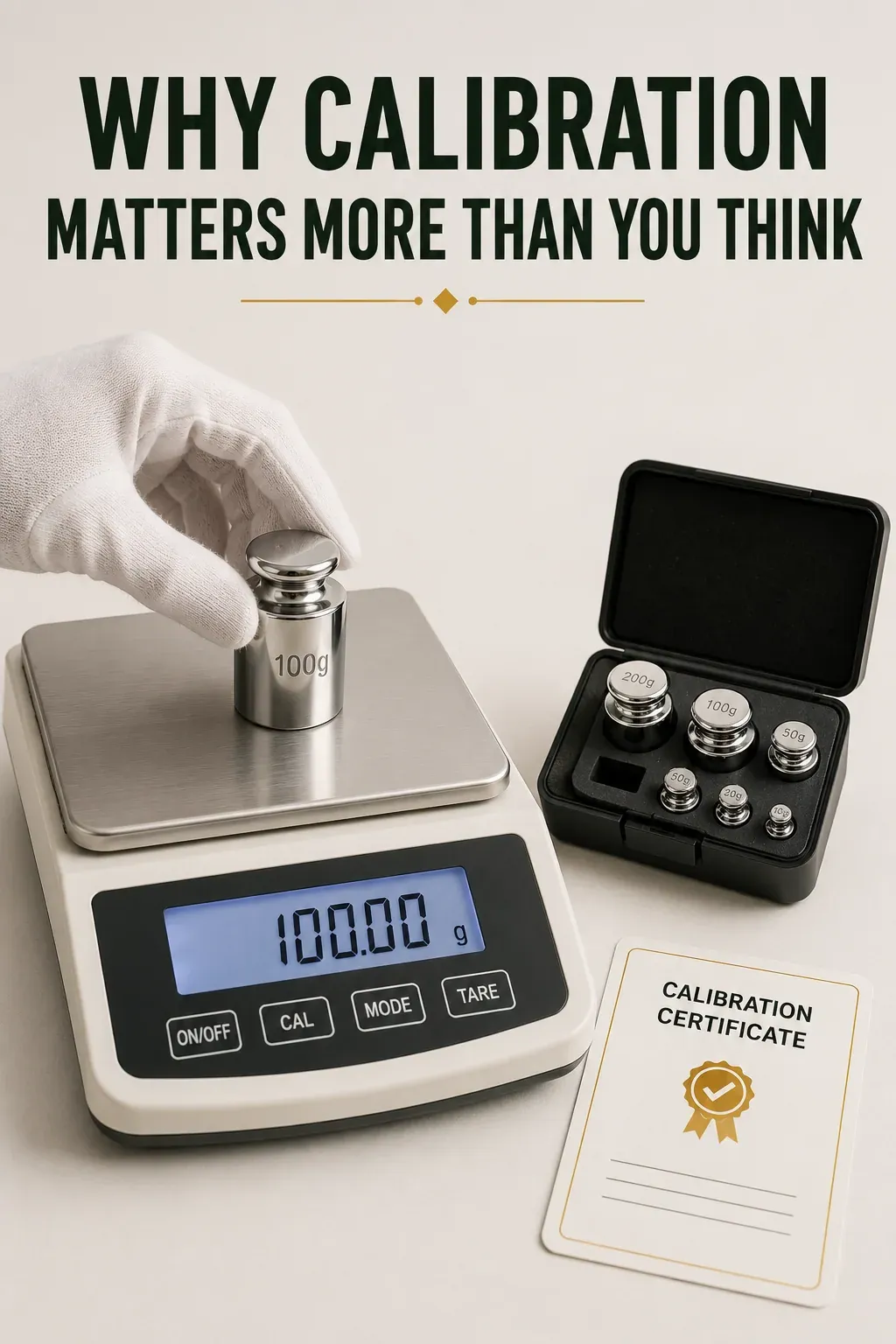
Place the object in the centre of the platform and wait for the reading to settle. Compare it with the known value. A difference of one step of the display, for example 1 g on a scale that counts in 1 g, is normal. A difference of many steps, or one that grows with the load, points to a fault.
For a kitchen scale you can also use several objects that you can trust, as described in our guide on checking a kitchen scale without weights. Bathroom scale users will find a similar method in the post on bathroom scale calibration and accuracy.
Test 3: weigh the same object five times
Repeatability means the scale gives the same answer for the same load. OIML R 76-1 asks that the difference between several weighings of one load is no greater than the maximum permissible error for that load. Put one object on the scale, note the reading, remove it, wait for zero, and place it again. Do this five times and set the object down gently each time, without pressing or dropping it.
The readings should match, or move by one display step at most. If you see 502, 498, 505, 497, 503, the scale is not repeatable, and no known-weight test can rescue it. The cause is usually a low battery, an uneven surface or a worn sensor. Repeating a reading also tells you how much to trust a single result from this scale.
Test 4: two objects apart, then together
This is the home version of a linearity check. Weigh object A and write the reading. Weigh object B and write that. Now place both together and read the total. The total should equal A plus B, within one or two display steps.
If the scale reads A and B correctly but the total is short, it loses accuracy at higher loads. If it is right at the high end but wrong at low loads, the fault is near zero. Choose A and B so that the total is about half to three quarters of the scale's capacity, and try a second pair if you can. A scale with a 5 kg limit gives the best check with objects around 1 kg and 2 kg.
Test 5: the four corners of the platform
A good scale gives the same reading wherever the load sits on the platform. Put one object at the centre and note the reading. Then move it to the centre of each of the four quarters, near but not over the edge, and note each reading. This follows the quarters method in the Measurement Canada manual linked above, which uses a load of about one third of capacity, so pick an object near that if you can.
The five readings should agree within a display step or two. If one corner reads clearly higher or lower, one of the load sensors or feet is under strain, or the scale is sitting on a bad spot. Turn the scale around, try another part of the floor, and repeat before you decide it is faulty. On a bathroom scale, use a heavy object for this test and not your own feet.
Test results at a glance
| Test | How to do it | What is normal |
|---|---|---|
| Zero return | Empty scale, then load and unload | Returns to zero each time |
| Known weight | Sealed packet or marked weight at the centre | Within one display step of the true value |
| Repeatability | Same object five times | Same reading, or one step apart |
| Two objects | Weigh A, B, then both together | Total equals A plus B within a step or two |
| Corners | Same object at centre and four quarters | All five readings agree within a step or two |
How big a difference is fine?
Every digital scale shows weight in fixed steps, and the step is its scale division, written as d or e in standards. A kitchen scale that reads 1 g can only show whole grams, so a true weight of 500.4 g appears as 500 g. A one-step difference is rounding and says nothing about a fault. A bathroom scale counting in 100 g steps will show body weight in jumps of 0.1 kg for the same reason.
Shop scales used for trade have official limits of error, which the legal metrology post below covers. Home use is more forgiving, so a practical rule is simple. Allow one step on a single reading, and two steps on the total of two objects. This is a practical home rule, not a figure from a standard. Anything beyond that, or any result that changes from one trial to the next, deserves a closer look.
A scale with a small division, such as 0.01 g on a jewellery balance, is far more sensitive to draughts, vibration and a moving table than a 1 g kitchen scale, so the same tests are harder to pass. Keep the room still and the air quiet before you judge it.
What to do when a scale fails a test
Work through the causes in this order, cheapest first.
- Surface. Move the scale to a hard flat floor or a firm table and repeat the failed test.
- Batteries. Fit fresh cells. If the scale is rechargeable, charge it fully.
- Clean and level. Remove dust or liquid under the feet and platform. Check that nothing touches the side of the pan.
- Calibrate. If the known-weight test still fails after the steps above, the scale probably needs calibrating. Our guide on how to calibrate a digital weighing scale at home gives the steps.
- Error codes and a dead display. The post on a weighing scale that is not working covers error signs and fixes.
- Warranty. If the scale is still wrong, check the warranty policy and write to Omace Brands Private Limited with your test readings.
On Omace digital scales a long press of TARE opens calibration mode on some models and a long press of the M key on others, and the manual for each model shows which. Stamped trade scales are sealed, so a registered repairer recalibrates those. Omace Brands Private Limited also repairs its commercial scales when the buyer asks. The buyer pays the shipping both ways and the repair cost, and spare parts depend on availability, so ask first through the contact page.
Scales made to pass these tests
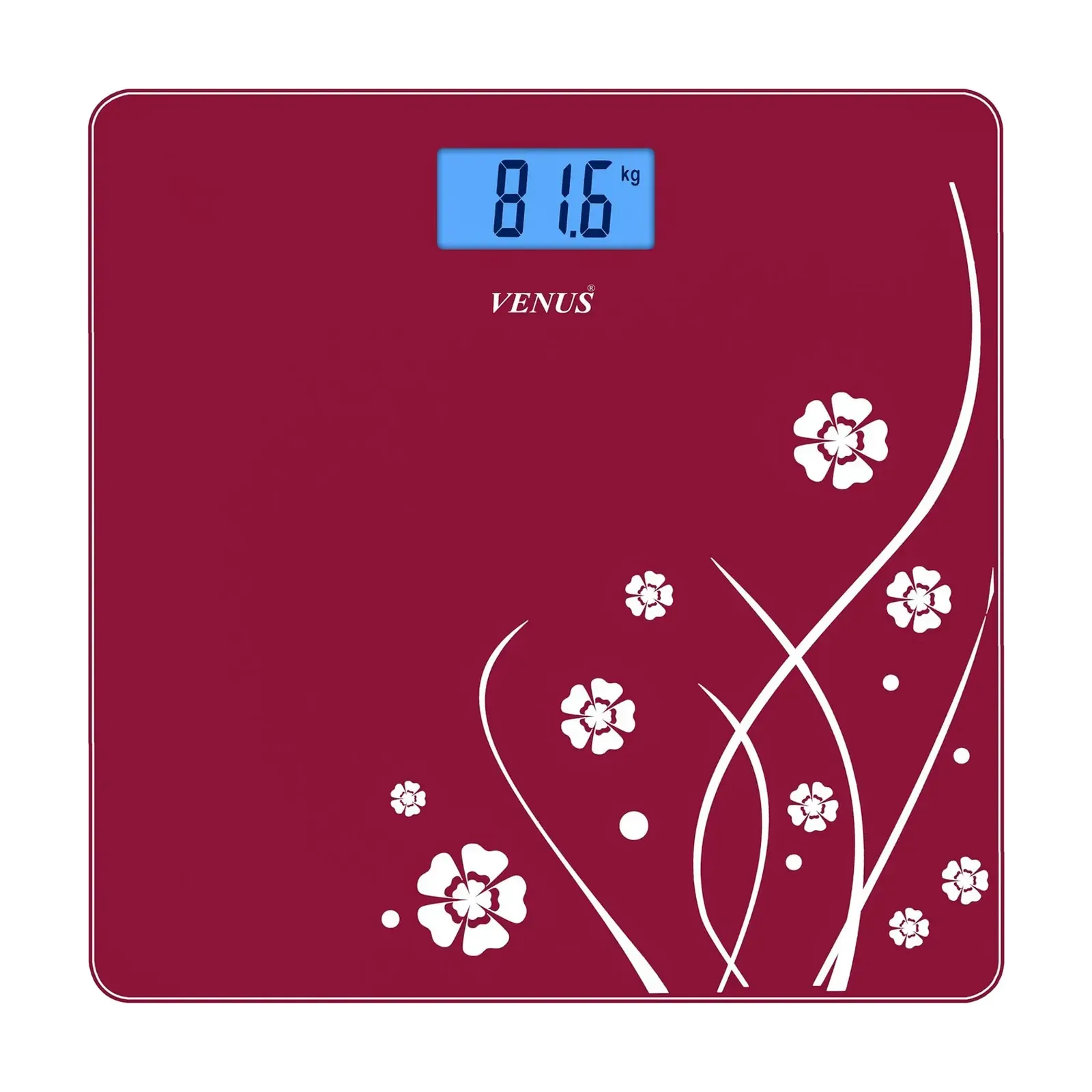
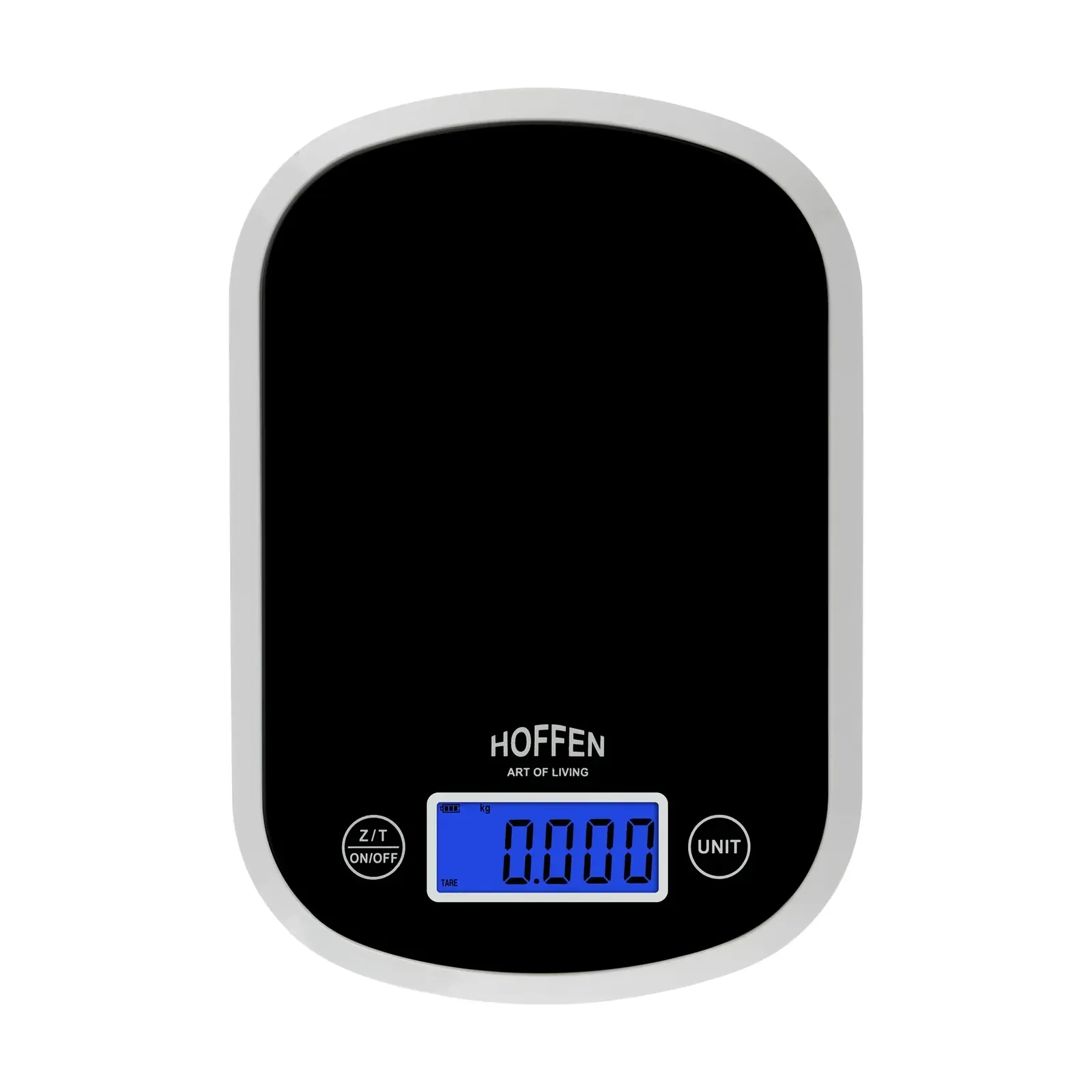
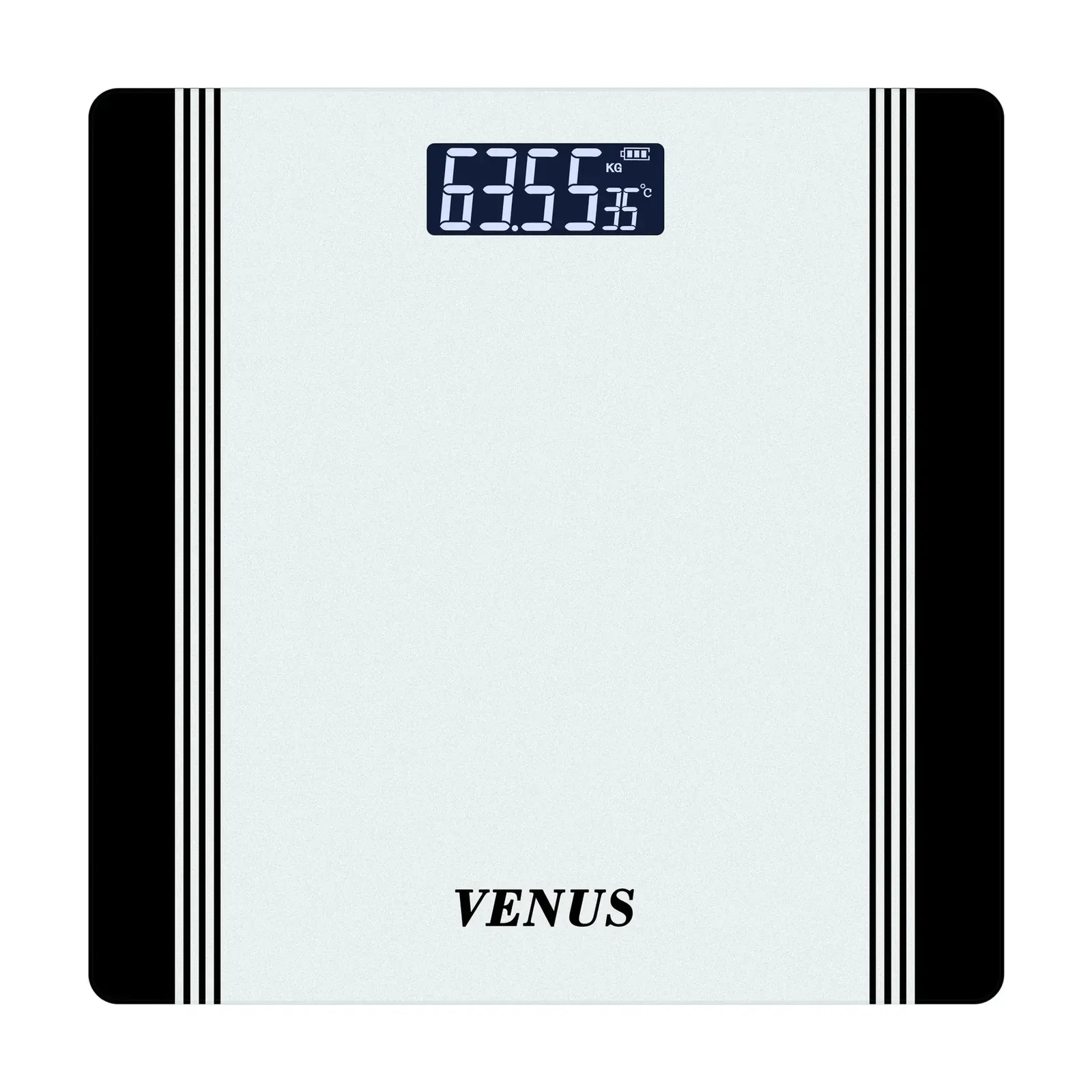
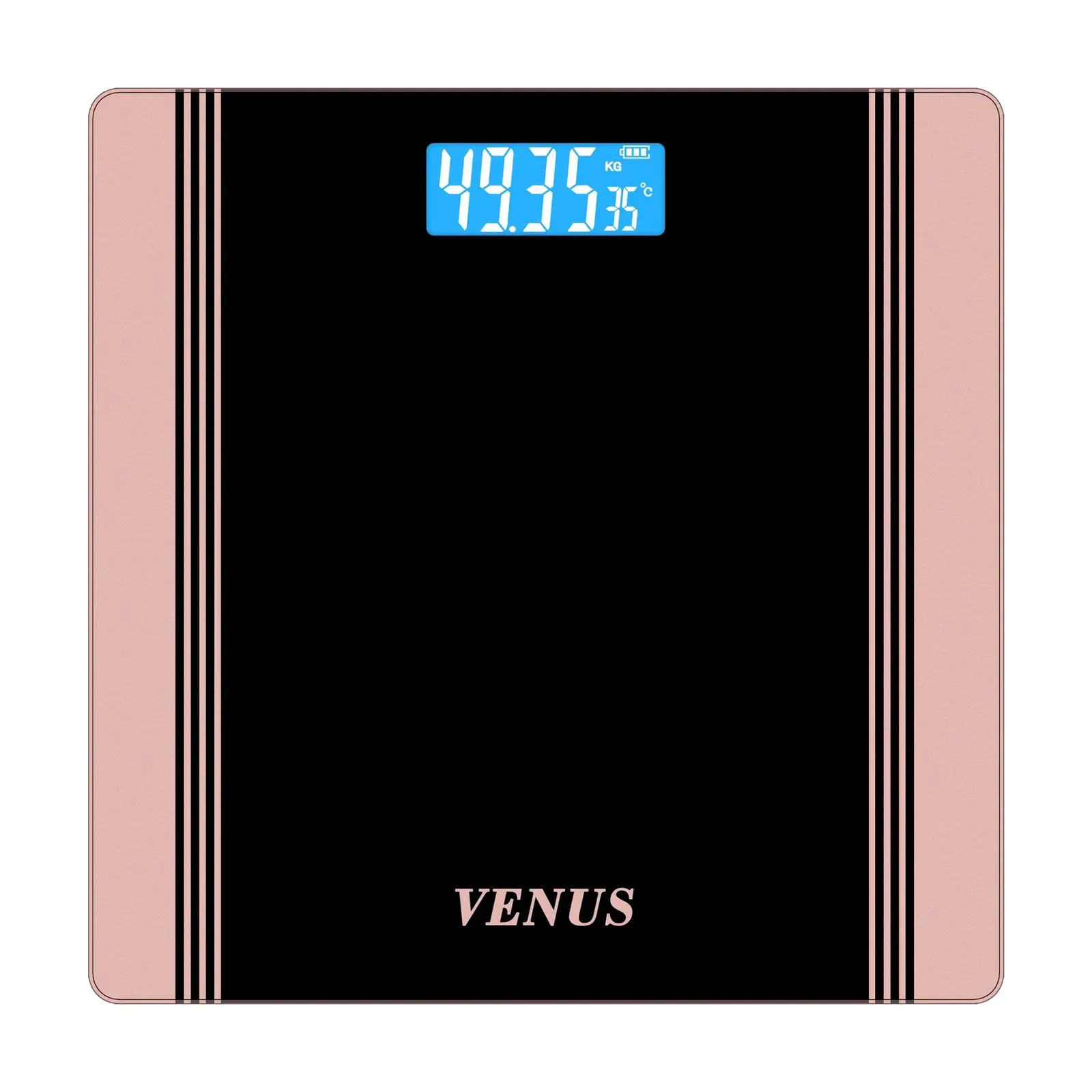
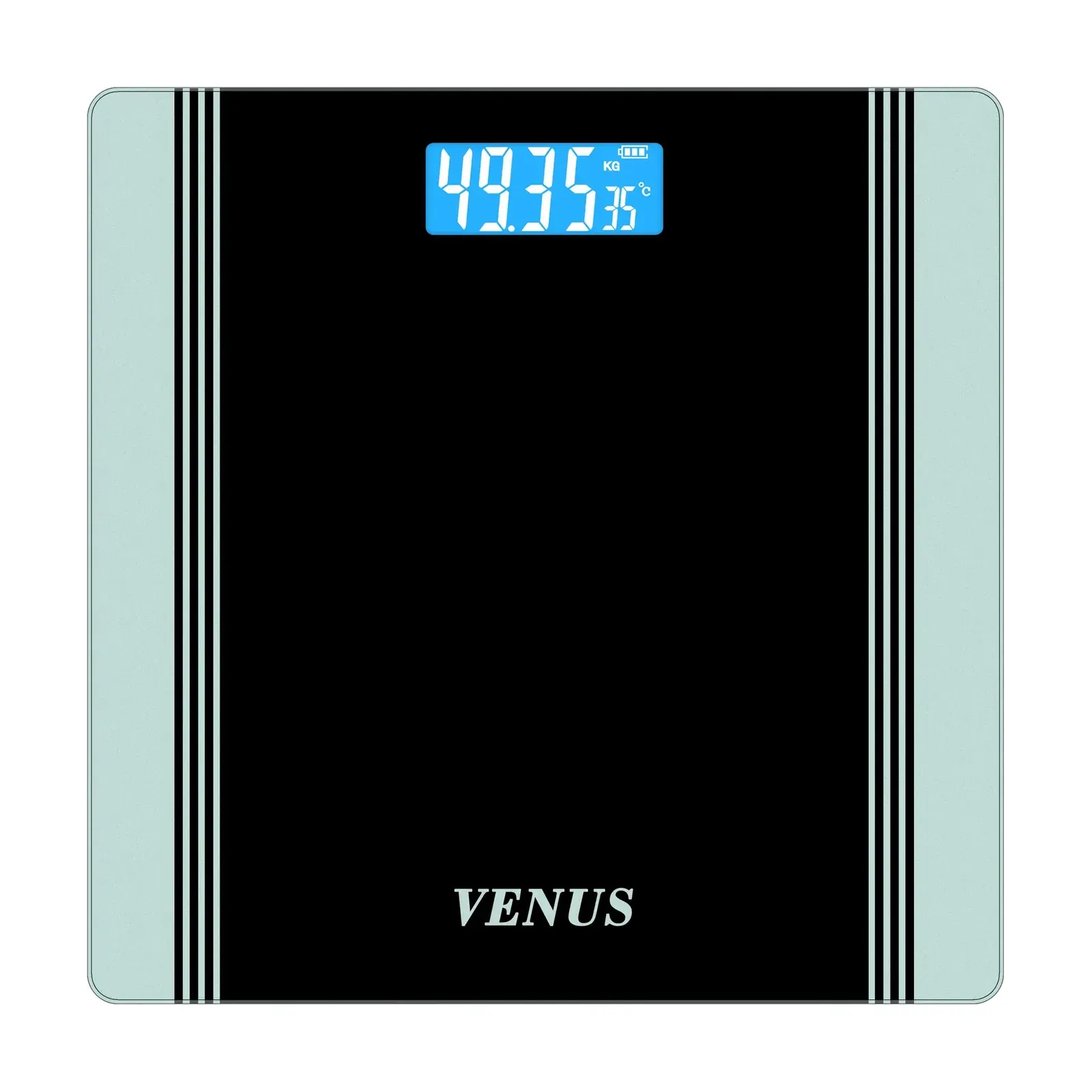
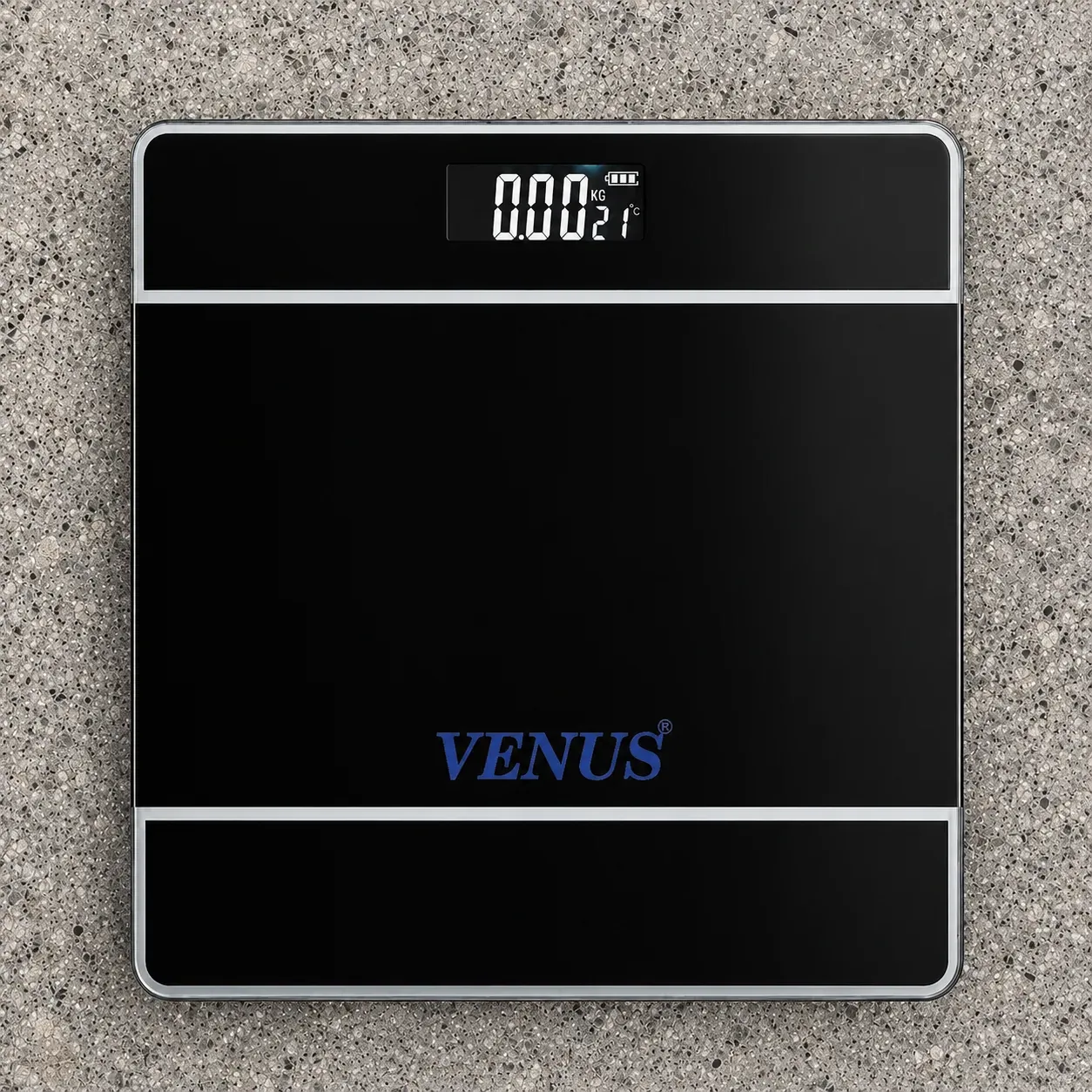
Omace Brands Private Limited makes scales in Bagru, Jaipur, and every scale is checked with certified test weights before dispatch, as the page on testing before dispatch explains. The scales are factory calibrated and replaced under warranty if they read wrong. The warranty covers manufacturing defects for 2 years. For a bathroom scale, the Venus EPS-6399 digital bathroom scale costs ₹579. For kitchen use, the Hoffen KS-601 digital kitchen scale reads in 1 g steps and costs ₹629. Both tests above work on either one.
Shop owners who weigh goods for sale have a stricter rule. A scale used to sell by weight falls under the Legal Metrology Act (see the Department of Consumer Affairs page), and our post on legal metrology in India explains the stamp. The home tests here are not a substitute for it.
Keep a short log
Repeat the five tests every few months, and after a move, a drop or a battery change. Write the date and the readings. A log shows slow drift that no single check can, and it gives the repairer facts to work with. For a bathroom scale used to follow body weight, this is general information and not medical advice. Ask your doctor about your own readings.