
Mandi weighing is the step where a farmer's produce becomes kilograms, and so rupees. By March 2026 the Ministry of Agriculture's PIB note counted 1,656 mandis linked to the e-NAM portal, and e-NAM lots are weighed on electronic scales after bidding. This post explains who weighs, what the slip should show, and how to check a reading.
A tonne of wheat or onion can lose or gain a few kilograms at the scale without anyone shouting. The farmer rarely sees the dial, the bag is counted rather than weighed, and the slip arrives after the argument is over. Knowing the steps, in Hindi or English, is the best protection a seller has.
Who weighs your produce at a mandi
Inside a regulated market yard, weighing is normally done by weighmen engaged under the state's agricultural produce marketing law, with the market committee in charge of the yard. These laws are made state by state, so the licence rules, the weighing fee and the form of the slip differ between Rajasthan, Maharashtra, Punjab and the rest. Ask the market committee office of your own mandi for its bye-laws and rate list before the season starts.
This post does not quote any state's clause, because the rule text of each state should be read from that state's own notification. What stays common is the idea: a person other than the buyer or seller does the weighing, on a scale the market provides, and a record is made.
What e-NAM changes at the scale
The National Agriculture Market, e-NAM, is an electronic trading portal that links existing mandis. The PIB note of April 2026 says the portal covers digital gate entry, lot creation with unique identifiers, quality assaying, online bidding, price discovery and direct electronic payment to farmers' bank accounts. It also says each lot is tracked from gate entry to final sale through a mobile phone.
On weighing, a Ministry release of 2020 says electronic weighing scales have been provided to weigh farmers' commodities after bidding on e-NAM, to bring transparency in weighing. The same release says farmers can see the assaying report and the progress of bids on their lot through the mobile app. The order matters: sample and quality grade first, bid next, weighing last, payment after.
The official e-NAM portal carries the operational guidelines and the list of linked mandis. A mandi that is not on the portal still weighs, but the lot record and the payment trail work through the older paper system.
Gross, tare and net: what a correct slip shows
A weighment slip is the only paper that proves what was weighed. Whatever the form your state uses, a careful slip carries these entries:
| Entry | What to look for |
|---|---|
| Lot or arrival number | Matches the number given at the gate |
| Commodity and bag count | The count you brought, not a rounded figure |
| Gross weight | Produce and bags together, read off the scale display |
| Tare | Weight of the bags, vehicle or container, shown separately |
| Net weight | Gross minus tare, in kg, with the unit written |
| Scale used | Which scale or weighbridge, so a dispute can be traced |
| Signatures | Weighman, and normally the seller and buyer or their agents |
Check the arithmetic yourself before you leave the weighing point. If gross, tare and net do not add up, ask for the slip to be corrected on the spot rather than later in the office.
Gunny bag weight and tare
Most grain, pulses and onions reach the mandi in jute or plastic bags, and the weight of the bag itself is called tare. Two practices exist: weigh the bags empty and deduct the real figure, or deduct an agreed standard per bag for the commodity. Which one your mandi uses depends on the commodity and the local trade custom. This post gives no standard bag weight, because none could be confirmed from an official page, and one mandi's figure is not another's.
What a farmer can do is simple. Weigh a few of your empty bags at home on a small shop scale and note the figure. A new jute bag and a worn one differ, and so does a bag that has absorbed moisture. If the deduction on the slip is far from what your bags actually weigh, say so politely at the time, with your own figure in hand. For a quick home check of ten or twenty bags, a shop scale is enough.
Is the mandi scale legal, and how often is it checked
Scales and weights used in trade fall under the Legal Metrology Act, 2009, which the Department of Consumer Affairs publishes with its rules and amendments. A scale used for trade must carry the stamp of the Legal Metrology department, and the stamp has a validity period. For weights, beam scales and counter machines, the General Rules (Seventh Amendment) notified on 18 December 2025 as G.S.R. 905(E) set the re-verification period at twenty-four months.
The same notification covers those instrument classes only. Other instrument types follow other rules, which the stamping charges and fees post and the Legal Metrology guide explain, checked November 2026. In plain words: look for the stamp and the date on the scale, and ask the weighman to show it.
Your rights as a seller, in practice
- See the display. Stand where you can read the reading when the load settles to zero movement.
- Watch the empty scale show zero before the load goes on, and again after it comes off.
- Get a signed slip with gross, tare and net, not a verbal figure.
- Ask for the scale's stamp date and the weighman's licence, where your state issues one.
- On e-NAM lots, check that the weight on your phone record matches the slip before accepting payment.
These are habits, and the legal backing for each depends on your state's mandi law and the market's bye-laws. The market committee office is the first place to ask which of these your mandi guarantees in writing.
Checking the reading yourself with a platform scale
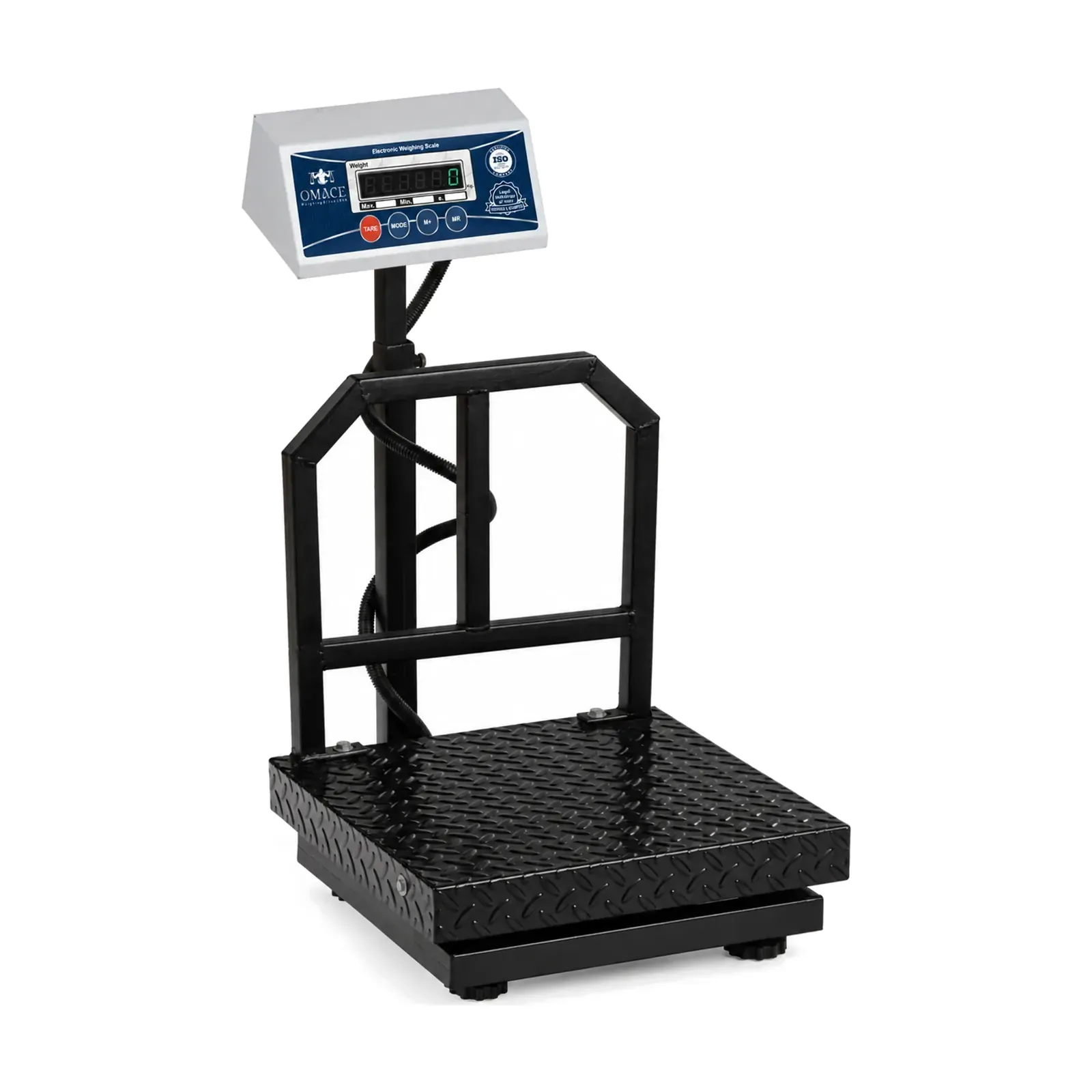
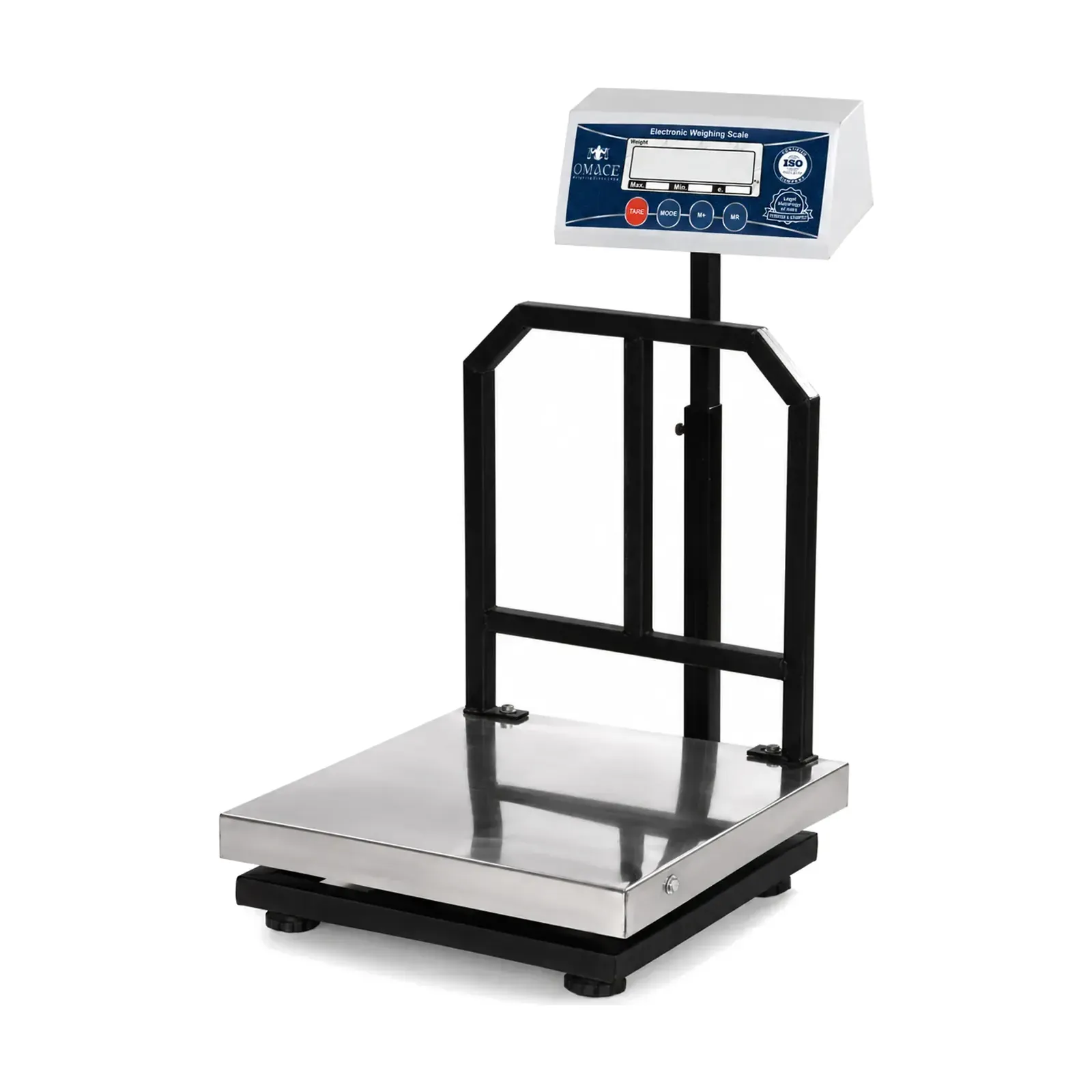
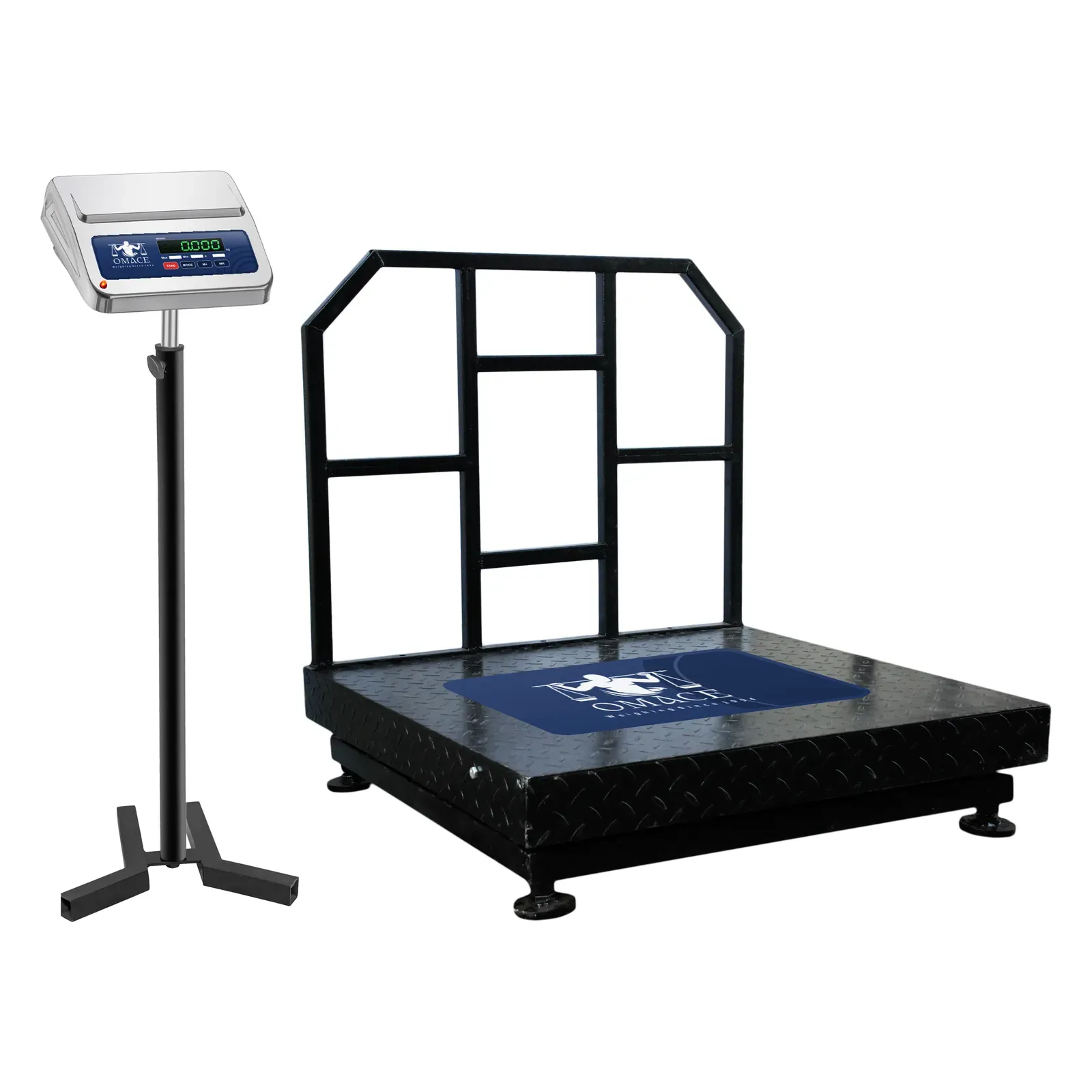
A farmer, a farmers' group or a small trader can keep a second scale at the godown or farm gate, to know the weight before the load leaves. Omace Brands Private Limited makes platform scales at Bagru, Jaipur, and every platform and crane scale leaves the factory verified and stamped by Legal Metrology, with the stamp valid across India. The Omace Om-PS-MS Platform Kanta is a mild steel digital platform scale from 100 kg to 500 kg, priced at ₹6,300. The Om-PS-SS stainless steel platform scale covers 100 kg to 300 kg at the same price. For heavier loads, the Om-PS-MS 1000 kg platform scale is ₹28,349. Every size is listed in the platform weighing scale range. Prices on the store are as of 20 November 2026 and include GST.
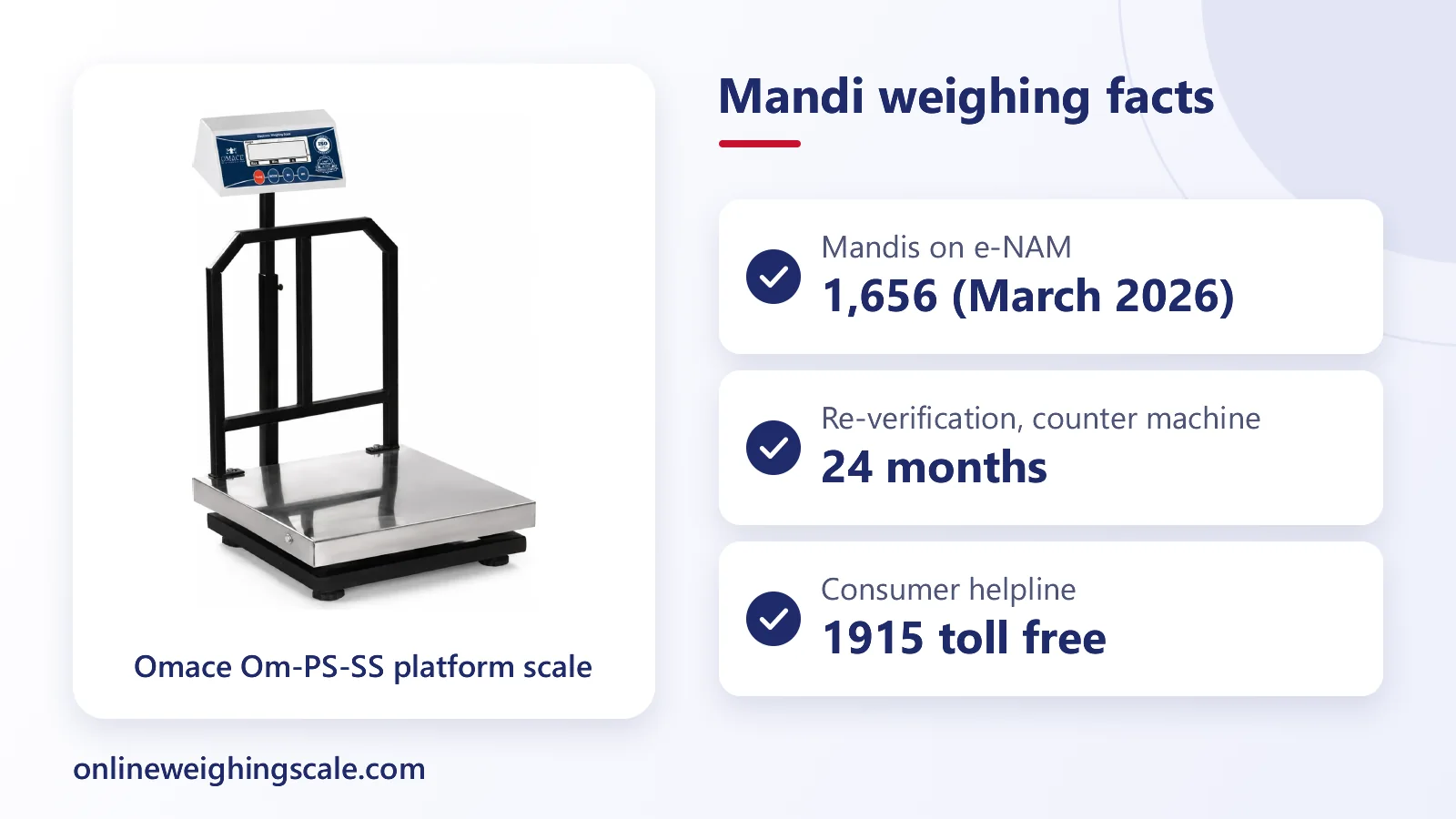
A personal scale does not replace the mandi's official weighing, and its reading is not accepted in a dispute unless it is stamped. Its use is to know your own numbers: how many bags make a quintal on your farm, what an empty bag weighs, and whether a day's loading matches the slip.
On Omace digital scales a long press of TARE opens calibration mode on some models and a long press of the M key on others, and the manual for each model shows which, but stamped trade scales are sealed, and a registered repairer must recalibrate them. Omace Brands Private Limited also repairs its commercial scales on request. The buyer pays shipping both ways and the repair cost, and spare parts depend on availability, so ask first through the contact page. Read more on checking a platform or chicken scale in the mandi and farm scale calibration post.
If the weight looks wrong: how to complain
Start at the mandi. Ask the weighman to re-weigh the lot in front of you, on the same scale and then on another scale in the yard. Keep your slip. If the dispute is not settled, take it to the market committee office of that yard, which runs the weighing.
For a complaint about a scale that looks faulty or unstamped, the state's Legal Metrology department is the authority, through its controller's office. For consumer-side help and routing to the right body, the National Consumer Helpline of the Department of Consumer Affairs takes calls on the toll-free number 1915. Write down the date, the mandi, the lot number and the weights on both slips before you call.
Before the next trip to the mandi
Weigh a few empty bags and note the figure. Read your state's rate list for weighing charges. Carry the lot number and the phone record if the mandi is on e-NAM. At the scale, ask to see zero, read the display, and leave only after the slip shows gross, tare and net that add up. This is general information. Ask the market committee or a Legal Metrology officer about your own state's rules.