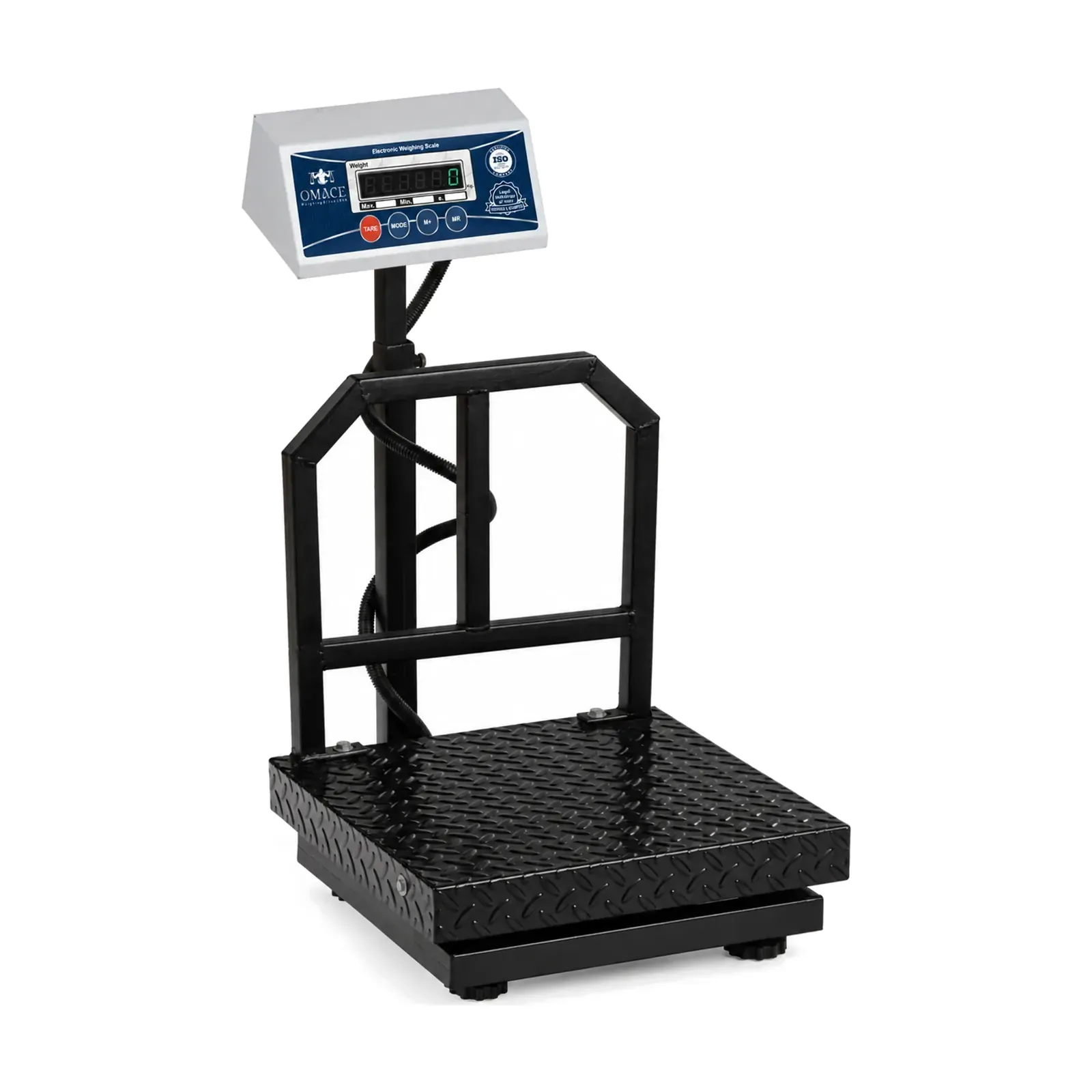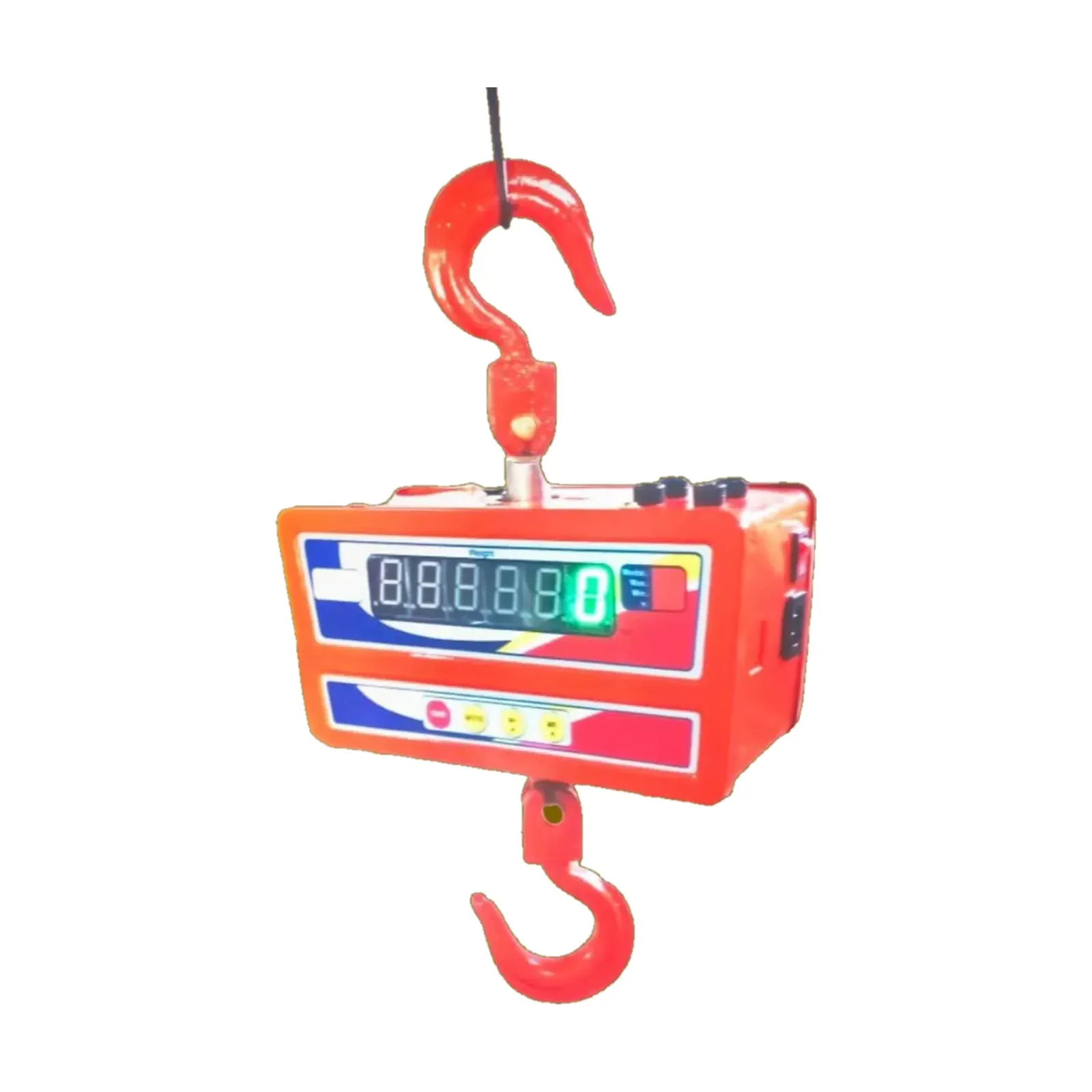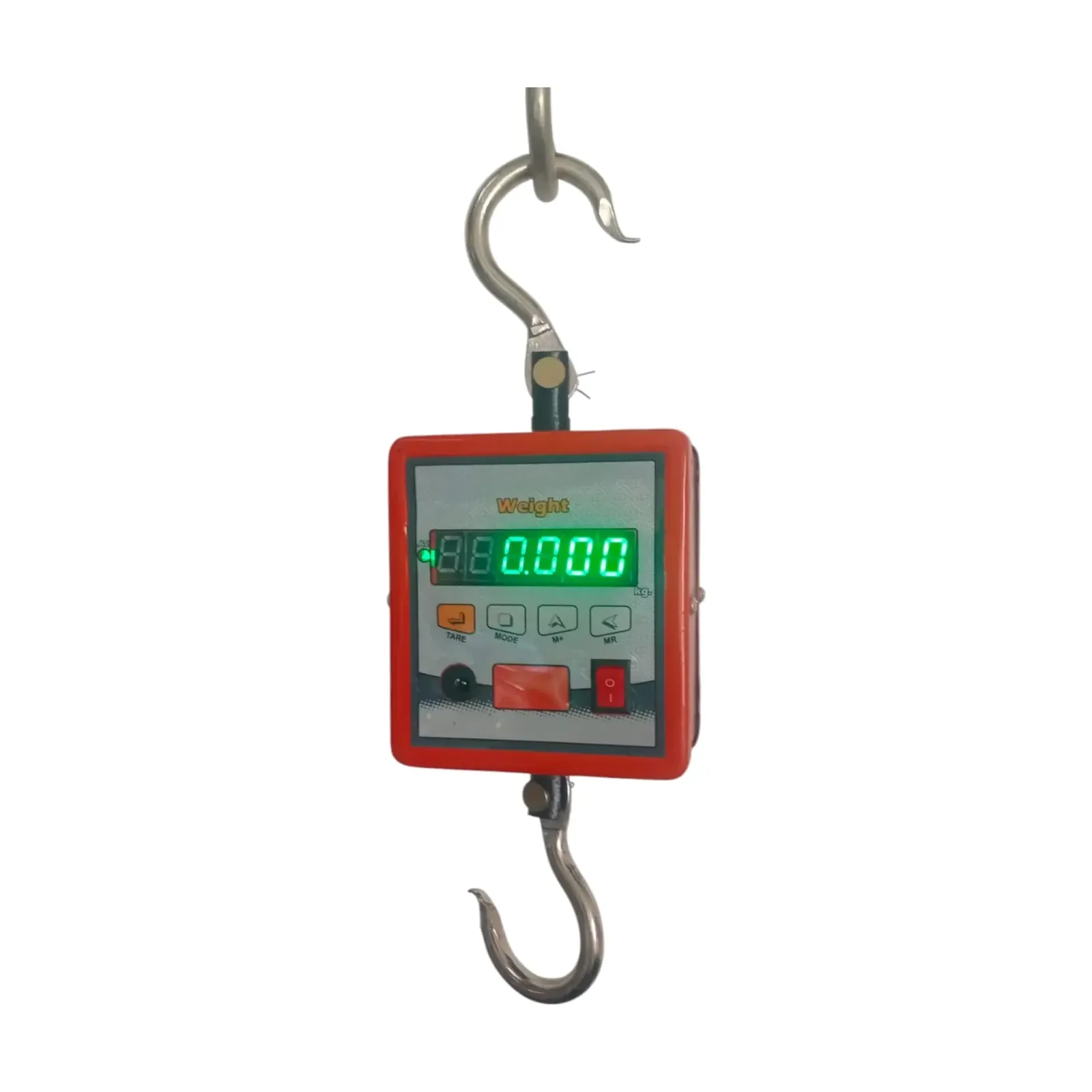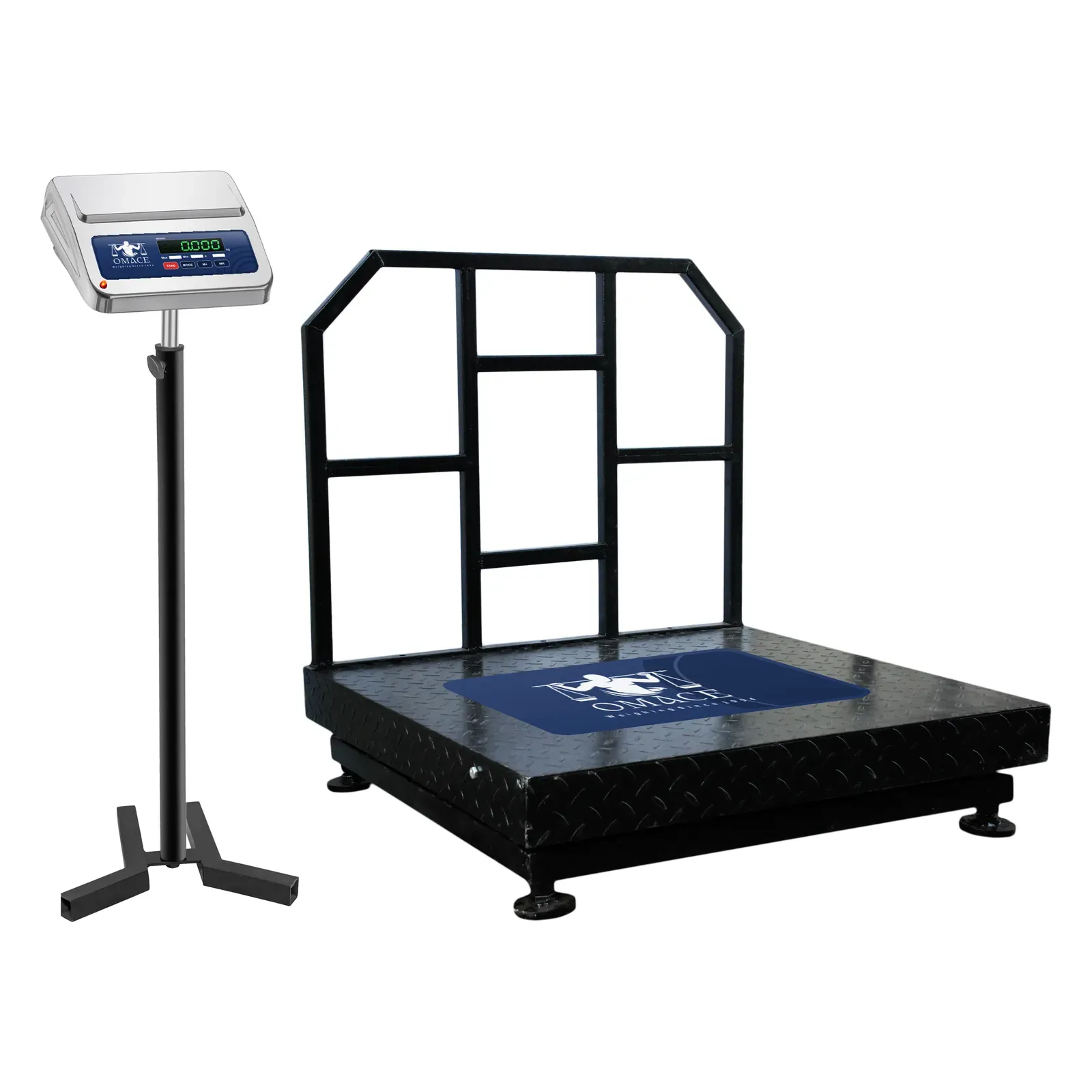
A weighing scale for a scrap dealer should be chosen by the heaviest single load it will carry, because sacks, drums and bundles each need a different scale. Omace Brands Private Limited makes platform kanta scales from 100 kg to 500 kg, a 1 tonne platform scale, and hanging and crane scales from 50 kg to 50 tonnes. The platform and crane scales leave Bagru verified and stamped by Legal Metrology.
This guide is written for kabadi shops, small scrap yards and traders who buy by the kilo and sell by the quintal. It covers what you weigh, which scale suits which load, how to read the smallest step against the value of the material, how to keep a scale from being damaged, and what the stamp on the scale means.
What a scrap dealer actually weighs
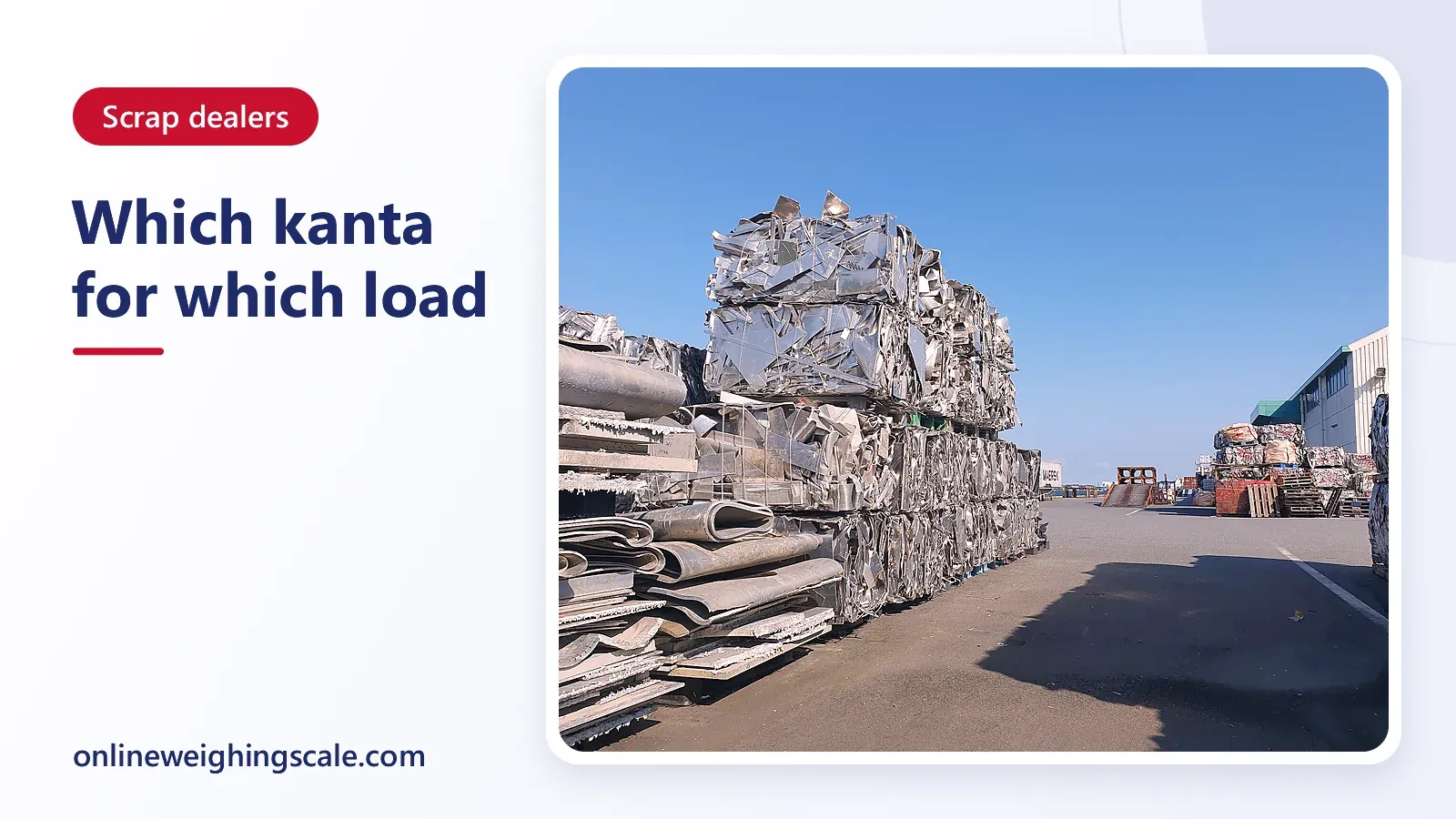
A kabadi counter sees a very mixed day. Newspaper and cardboard come in bundles tied with rope. Plastic comes in loose sacks that are light but bulky. Iron arrives as rods, plates and cut pieces. Copper wire, brass fittings and aluminium come in smaller lots that carry a much higher value per kilo.
These materials differ in weight, shape and value, so one scale rarely does every job well. Paper and plastic are about volume and speed. Copper and brass are about the last few grams. Heavy iron is about capacity and a safe way to lift it. Start by writing down your three most common loads and your single heaviest load. That list decides everything else.
Which scale suits which load
The table below matches the load to the type of scale. The Omace models are the ones in the store today, with the price including GST.
| Load | Scale type | Omace model and price |
|---|---|---|
| Sacks, drums and loose metal up to 500 kg | Platform kanta | Om-PS-MS, 100 kg to 500 kg, ₹6300 |
| Heavy lots up to 1 tonne on the floor | Platform scale | Om-PS-MS 1000 kg, ₹28349 |
| Bundles and bags you can hook, up to 120 kg | Hanging scale | Omace 120 kg, ₹4929 |
| Bundles up to 500 kg | Crane scale | Omace 500 kg, ₹9999 |
| Heavy pieces up to 1 tonne | Crane scale | Omace 1 Ton, ₹12999 |
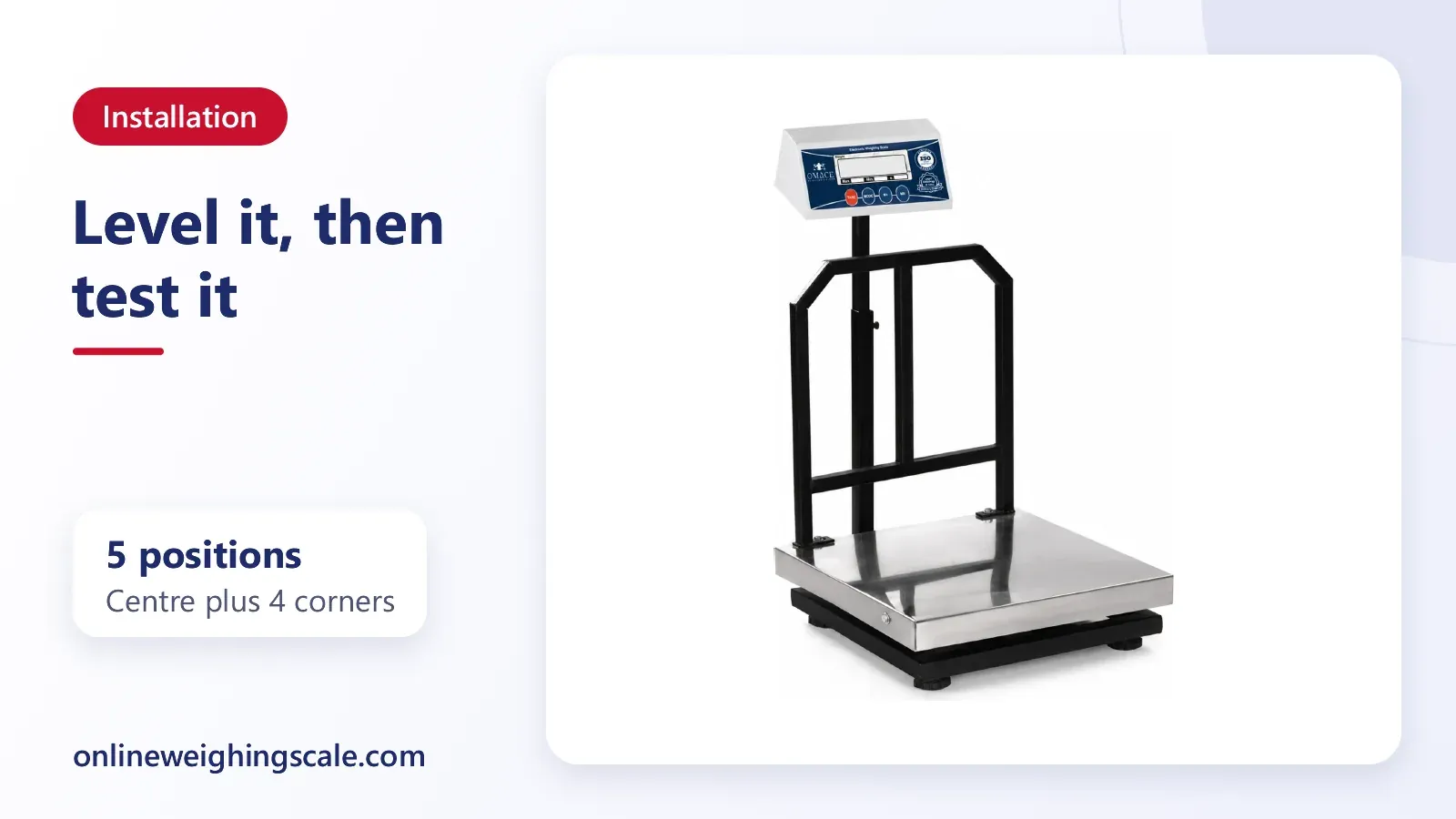
A floor platform is the easiest scale to use all day. You roll or lift the sack on, read the display and write it down. The Omace Om-PS-MS platform kanta covers 100 kg to 500 kg in one family, so a yard can pick the capacity that matches its heaviest sack. The 1000 kg platform scale is for yards that move drums or crates of a tonne. You can browse the whole range on the platform weighing scale page.
A hanging scale or crane scale suits what does not sit well on a platform: long rods, tied bundles, big bags and irregular pieces. You hook the load to a chain or a hoist and read the weight in the air. The 120 kg hanging scale and the 500 kg crane scale are the two sizes most small yards need. The 1 ton crane scale comes with a shackle and safety hook for heavier work. The crane scale category lists the rest, including the OCS crane scale for 1 to 50 tonnes. Omace Brands Private Limited makes the 40 and 50 tonne OCS sizes on buyer request.
Smaller lots of copper or brass are best weighed on a smaller bench scale with a finer step. The pocket scale vs bench scale guide explains where each belongs.
Trucks need a weighbridge
A weighbridge weighs a whole loaded truck, usually by weighing it full and again empty and taking the difference. Omace does not make weighbridges. If your yard buys or sells by the truckload, read how a weighbridge works first, then check how one is tested in the weighbridge calibration guide. Many small yards never need one and use platform scales and crane scales for everything that is carried or lifted.
Match the smallest step to the value of the metal
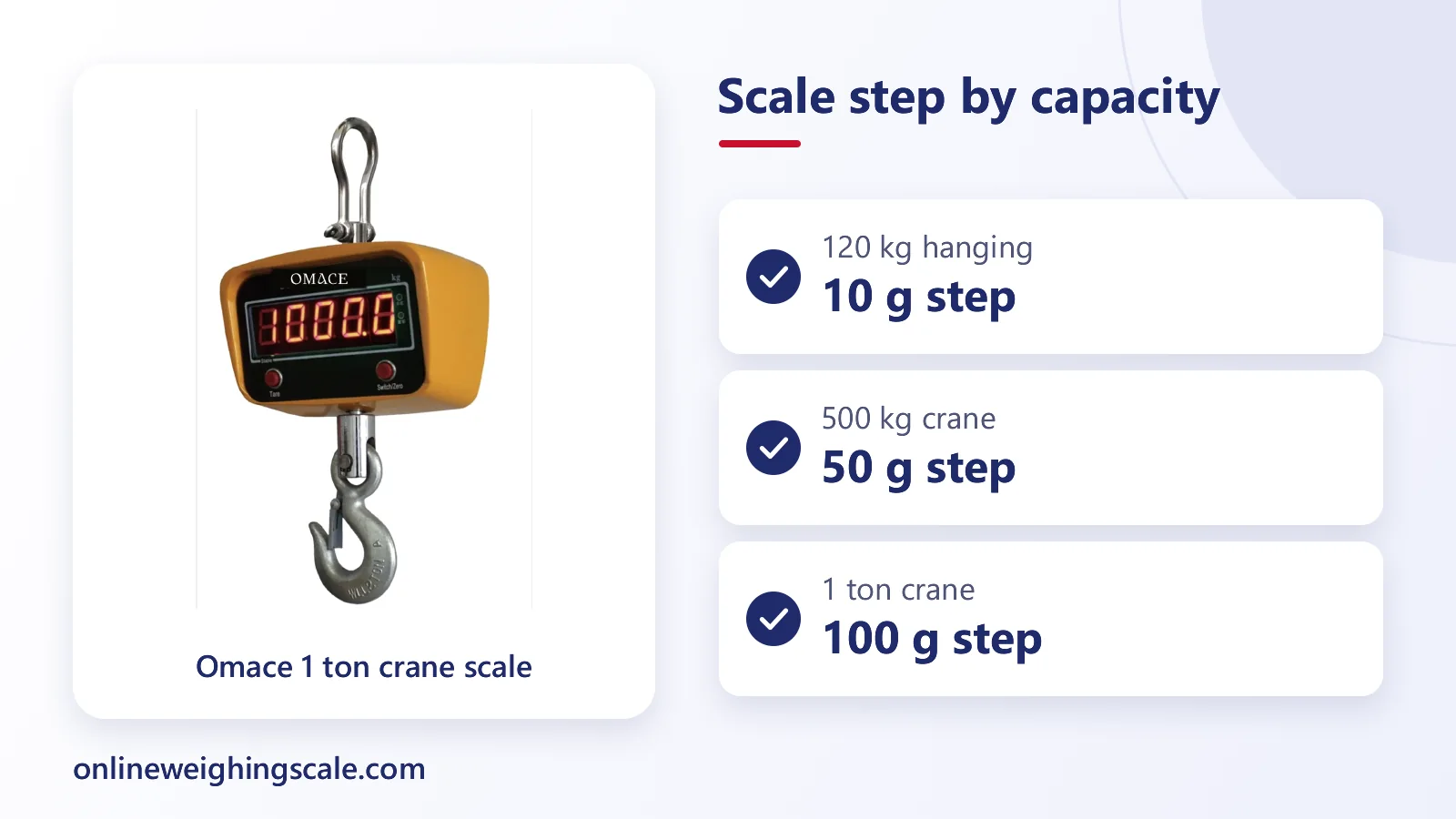
Every digital scale moves in steps. The Omace 120 kg hanging scale moves in 10 g steps, the 500 kg crane scale in 50 g steps and the 1 ton crane scale in 100 g steps. The Om-PS-MS platform kanta reads in 10 g steps at 100 kg and 200 kg, and in 20 g steps at 300 kg. A step is the smallest change the display can show, so a reading can be off by about one step even on a healthy scale.
The same step costs very different money on different material. A 50 g step on a 100 kg bundle of old paper is half of one tenth of a percent, and the money involved is small. The same step on 100 kg of copper is the same percentage, but the rupee value is far higher, and over a month of purchases it adds up. That is the reason to ask two questions before you buy.
- What is the heaviest single load? Pick a capacity above it, so the scale is never working at its limit.
- What is the most valuable material you buy by weight? Pick the finest step you can get at that capacity, or weigh that material on a separate smaller scale.
A scale with a very large capacity and a coarse step is fine for paper and plastic. It is a poor way to pay a supplier for copper wire. Many dealers keep one big scale for volume and one small bench scale for valuable lots.
Rough handling and overload
Scrap is hard on scales. Iron pieces drop on the pan, sacks are thrown on the platform, and hooks take sudden jerks. A scale is a measuring instrument with a sensor inside, and a hard knock can shift its zero or damage it.
The UK Health and Safety Executive advises that lifting equipment should carry a visible safe working load, that the load should never exceed it, and that tackle should not be dropped or subjected to sudden loads. Read the HSE guidance on safe lifting by machine for the full wording. For a crane scale the safe working load is the capacity printed on it. Lowering a load slowly counts as much as lifting it slowly, because a load that swings or drops the last few centimetres puts more than its weight on the hook for a moment.
A few habits keep a scale reading true.
- Place the load gently and in the centre of the platform.
- Never hang more than the printed capacity, and stay clear of a load in the air.
- Check the hook, shackle and chain for wear before each shift.
- Press tare with the empty bag, drum or tray in place, then load it.
- Keep the platform clear of stones, wire and dust, which can lift the pan off its supports.
- Check zero before the first weighing of the day.
If a scale starts to drift or flashes an error, see weighing scale not working for causes and fixes. On Omace digital scales a long press of TARE opens calibration mode on some models and a long press of the M key on others, and the manual for each model shows which, and the crane scale calibration guide shows how to check one with test weights. Stamped trade scales are sealed, and a registered repairer recalibrates them.
The verification stamp
A scrap dealer buys and sells by weight, so the scale is a trade instrument. Section 24 of the Legal Metrology Act, 2009 requires anyone who holds a weight or measure that is, or is likely to be, used in a transaction to have it verified before using it. Section 33 sets a fine of ₹2,000 to ₹10,000 for using an unverified one, with imprisonment of up to one year as well as a fine for a second or later offence. The Jan Vishwas Acts of 2023 and 2026 changed the penalties of other sections and left section 33 as it was, as the texts on the Department of Consumer Affairs page show.
Omace shop, platform, chicken and crane scales leave Bagru verified and stamped by Legal Metrology, and the stamp is valid across India. Stamping is compulsory on platform and crane scales. The scale you buy should carry the stamp before it takes its first load, and a dealer whose scale is questioned by an inspector should be able to show it. The details are in Legal Metrology in India, and the cost side of re-stamping is in weighing scale stamping charges. The legal for trade weighing scale post explains what the term means on a platform scale.
A stamp tells you the scale was checked when it was verified. It does not say the scale is still right today after a year of knocks. Keep a known test weight at the counter and check zero and a known load now and then.
Looking after the scale, and repairs
Keep the display and cable away from water and from the dust of cutting and sorting. Charge a rechargeable model before it runs flat.
Omace Brands Private Limited repairs its commercial scales when the buyer asks. The buyer pays the shipping both ways and the repair cost. Spare parts depend on availability, so ask first through the contact page. Factory calibration and a warranty on manufacturing defects for 2 years apply to new scales, as set out in the warranty policy. Every scale is checked with certified test weights before dispatch, which you can read about on the tested before dispatch page.
A short buying checklist
- Write down the heaviest load and the most valuable material.
- Choose a platform kanta for sacks and drums, and a crane scale for bundles and long pieces.
- Choose a capacity above the heaviest load, with a step that fits the metal.
- Ask for the verification stamp and keep the papers at the counter.
- Plan a place for the scale where nothing is dropped on it.
For wider guidance on capacity and plant use, see how to choose an industrial weighing scale. Dealers who buy several scales can ask about prices on the dealer page.
Choosing the first scale for a new yard
A new kabadi shop does best with one platform kanta at 300 kg or 500 kg and, once the work grows, a crane scale for what does not fit on the floor. Buy the platform first, because every day starts there. Add the crane scale when the first long bundle or heavy bag proves too awkward. Add a small bench scale when a customer first brings copper or brass in a small bag. That order spends money only where the work shows a need.