
Newborn essentials come down to six groups: feeding, safe sleep, clothing, bathing, health and travel. WHO advises breast milk alone for the first 6 months, so a breastfed baby needs almost nothing bought for feeding. What matters most is a firm flat sleep space, soft layers, a digital thermometer and India's Mother and Child Protection card.
What a newborn really needs
A newborn, or neonate, is a child under 28 days of age, according to WHO India. Online lists of newborn products can run to dozens of items, and many of them are conveniences. WHO's essential newborn care is a much shorter idea: thermal care, breast milk feeding, nurturing care, infection prevention, assessment of health problems, and a quick response to danger signs with safe referral.
Immediate newborn care happens where the baby is born: delayed cord clamping, drying, checking the breathing, skin-to-skin contact and early breastfeeding. The list below is for the weeks after that, and it keeps the same priorities. Keep the baby warm and fed, make the sleep space safe, keep the skin and cord clean, and know when to call for help.
The checklist, one need at a time
Feeding
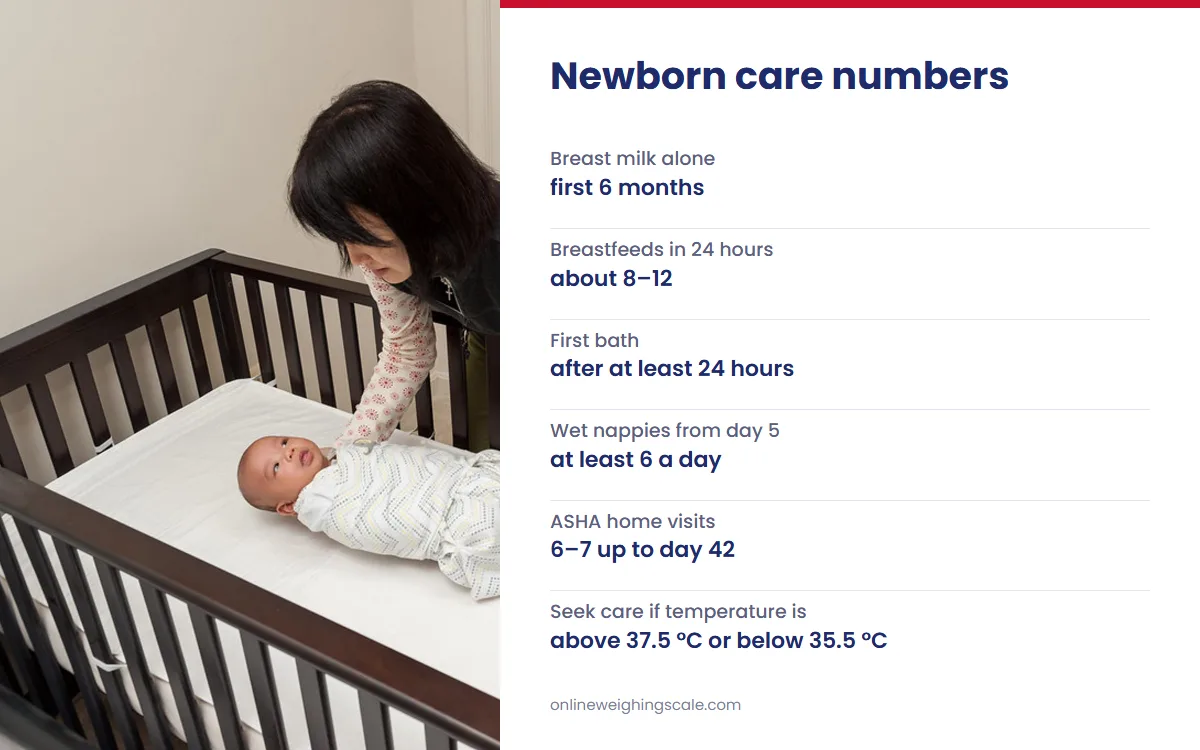
Breastfeeding needs no equipment. India's Mother and Child Protection (MCP) card tells parents to start within 1 hour of birth, feed on demand day and night, and give nothing else to eat or drink, not even honey or water, for the first 6 months. A breastfed newborn feeds about 8 to 12 times in 24 hours, according to CDC, and some babies bunch their feeds close together at times. The NHS keeps honey off the menu until after 1 year, because it can cause infant botulism.
Nobody can see the millilitres at the breast, so the question of how much milk a newborn needs is answered by the nappies. The NHS expects 2 or 3 wet nappies in the first 48 hours and at least 6 heavy wet ones every 24 hours from day 5. It also expects at least 2 soft yellow poos a day from day 4, for the first few weeks.
For preterm or low birth weight babies, India's Home Based Newborn Care (HBNC) guidelines have the ASHA teach the mother to express milk and feed it by cup and spoon or paladai when required. The ASHA kit carries a long-handled stainless steel feeding spoon, and a home steel set does the same job.
Safe sleep
Every sleep starts on the back. WHO's 2022 postnatal guideline recommends the back position through the first year to prevent sudden infant death. The US National Institute of Child Health and Human Development (NICHD) asks for a firm, flat, level surface with only a fitted sheet on it. That space belongs in the parents' room, near their bed, for at least the first 6 months.
- Have ready: a cot, palna or firm mattress with a fitted sheet, placed beside your bed.
- Leave out: pillows, duvets, cot bumpers, loose blankets and soft toys, as the NHS advises. A rai pillow filled with mustard seeds is still a pillow.
- Think twice about the cloth jhula: NICHD calls soft and inclined surfaces unsafe for sleep at any age, so keep it for an awake baby you are watching.
- Bed sharing: NICHD rates it as high risk under 4 months. The NHS says not to share a bed if either parent smokes, if the baby was premature or of low birth weight, or after alcohol or drugs that cause sleepiness.
- Sofas and armchairs: NICHD says these are never safe for sleep.
- Smoke: the NHS asks that nobody smokes around the baby.
Clothing and nappies
WHO's 2014 postnatal guideline suggests one to two layers of clothes more than adults wear, with a hat or cap. That advice guards against cold, so an Indian summer calls for fewer layers. NICHD asks parents to dress the baby for the room temperature, take hats off indoors, keep the head and face uncovered during sleep, and check for sweating or a hot chest.
The practical list of baby clothes is short: soft cotton jhablas that open at the front, cotton wraps, socks and a few caps for cool months. Small sizes are outgrown quickly, so buy a few at a time. The NHS says young babies may need changing as many as 10 or 12 times a day, so count langots or disposable nappies with that in mind.
Clean the skin with cotton wool and warm water, or with fragrance-free, alcohol-free wipes. Change the nappy soon after each wee or poo, and leave it off for a while on warm days, because the NHS says both steps help prevent rash.
Bathing, cord and skin
The first bath waits. WHO's 2022 guideline delays it for at least 24 hours after birth, and its 2014 guideline allows at least 6 hours where culture makes 24 impossible. The MCP card says no bath for the first 48 hours, and HBNC counts early bathing among the practices an ASHA discourages.
After that, the NHS says a daily bath is unnecessary, and washing the face, neck, hands and bottom is enough between baths. You need a bowl of warm water, a towel, cotton wool, a fresh nappy and clean clothes. Test the water with your wrist or elbow, and never leave the baby alone in the bath, even for a second. The NHS advises against baby bath seats for the same reason.
The cord stump needs nothing on it. WHO recommends clean, dry cord care, and the MCP card says to keep the cord dry. Keep kajal and surma away too. The US Food and Drug Administration warns that lead can make up more than half the weight of kohl products, and that some people paint newborns' stumps with the powder.
A gentle maalish can stay in the routine. WHO's 2022 guideline says gentle whole-body massage may be considered for healthy full-term newborns, while routine creams to prevent skin conditions are not recommended. The NHS asks parents to check that any oil or lotion is suitable for babies.
Health
- Digital thermometer: the NHS recommends a digital one under the arm for children under 5. It rules out mercury glass and says forehead strips are not accurate. The HBNC specification for ASHAs reads from 32 °C to 42 °C, low enough to catch a cold baby.
- MCP card: it records birth weight, vaccines, growth and milestones, so take it to every visit.
- Vaccines: the MCP card lists OPV-0, hepatitis B within 24 hours and BCG at birth, then the next round at 1½ months.
- Vitamin D: the Indian Academy of Pediatrics recommends 400 IU a day for neonates to prevent rickets, while WHO's 2022 guideline recommends it for breastfed term babies only within rigorous research. Ask your paediatrician which applies.
- Phone numbers: save the ASHA, the ANM and the nearest hospital.
Travel and outings
For car trips, CDC advises a rear-facing car seat from birth, fitted in the back seat. A rear-facing seat must never go in a front seat with an airbag. NICHD says car seats, carriers and slings are not for regular sleep, so move the baby to a proper sleep space soon after you arrive.
Outdoors, the NHS says to keep babies under 6 months out of direct strong sunlight. CDC advises clothes that cover arms and legs and mosquito netting over prams and carriers, which suits Indian evenings. A small bag with nappies, cotton wool, a change of clothes and the MCP card covers most trips.
Newborn care at home in India
India's public health system covers more of this list than many families expect. Under HBNC, an ASHA makes six home visits after a hospital birth, on days 3, 7, 14, 21, 28 and 42. A home birth adds a visit on day 1, making seven. She weighs the baby, measures temperature, supports breastfeeding and helps with skin, cord and eye care. The MCP card adds three extra visits if birth weight is under 2.5 kg.
- Free treatment: Janani Shishu Suraksha Karyakram entitles sick newborns and infants up to 1 year to free drugs, diagnostics and transport at public health institutions.
- Birth registration: the Civil Registration System sets a normal period of 21 days with no fee. For a hospital birth, the medical officer in charge reports it, and the informant gets one free copy of the certificate.
Newborn checklist: quick reference
| Need | Have ready | Number to know | Leave off |
|---|---|---|---|
| Feeding | Nothing for breastfeeding; cup and spoon or paladai for expressed milk | 8–12 feeds in 24 hours | Honey, water or other feeds for 6 months |
| Safe sleep | Firm flat surface and fitted sheet, beside your bed | On the back for 12 months; same room for at least 6 | Pillows, bumpers, soft toys, loose blankets |
| Clothing and nappies | Soft layers, caps for cool days, nappies or langots | 1–2 layers more than adults; up to 10–12 changes a day | Hats during sleep indoors |
| Bath, cord and skin | Warm water, cotton wool, towels | First bath after at least 24 hours | Kajal, surma, anything on the cord |
| Health | Digital thermometer, MCP card, ASHA's number | Seek care above 37.5 °C or below 35.5 °C | Mercury thermometers, forehead strips |
| Travel | Rear-facing car seat for car trips, netting | Under 6 months: out of direct strong sun | Front seat with an airbag |
Bottles and formula: what Indian law says
India bars the advertising and promotion of infant milk substitutes, feeding bottles and infant foods for children up to 2 years. The rule sits in the Infant Milk Substitutes, Feeding Bottles and Infant Foods Act, 1992, and in its 2003 amendment, reproduced in Indian Pediatrics. The Press Information Bureau announced that advertising of these milk substitutes and infant foods would be prohibited on all forms of mass media from 1 January 2004.
Every container of infant milk substitute or infant food must state that mother's milk is best for the baby, and that the product should be used only on a health worker's advice. This list therefore names no bottle or formula, and any decision to use one belongs with your doctor.
The Act also lists what families should be told, and each point is practical. Breastfeeding is the better choice, since the MCP card notes that breast milk gives all the nutrients and water a baby needs. Preparing for it and keeping it going takes support, so ask the ASHA or ANM early about positioning and attachment. Partial bottle feeding harms breastfeeding, and going back to the breast after a period of formula is difficult, which is why HBNC lists bottle feeding among the practices an ASHA discourages. Formula and bottles also bring a regular cost to the household, and health hazards when used wrongly.
If a doctor has advised formula, preparation is where the risk lies. The NHS says to make each feed fresh with water of at least 70 °C, use only the scoop supplied, and throw away whatever is left after a feed. Extra powder can cause constipation or dehydration, and too little may not nourish the baby. The NHS also says to sterilise feeding equipment until at least 12 months, for example by simmering it in water for at least 10 minutes.
Newborn danger signs to act on
WHO lists these signs in its 2022 guideline and asks families to seek care early if they see any of them between visits:
- Not feeding well
- Convulsions, now or earlier
- Fast breathing, above 60 breaths a minute
- Severe chest in-drawing
- No spontaneous movement
- Temperature above 37.5 °C or below 35.5 °C
- Any jaundice in the first 24 hours, or yellow palms and soles at any age
The MCP card adds blood in the stools and a baby who cannot cry or is lethargic. A thermometer and a watch let you check temperature and breathing at home, and neither one diagnoses anything. A doctor decides what a reading means. This is general information. Ask your doctor about your own baby's readings.
Why newborns get weighed
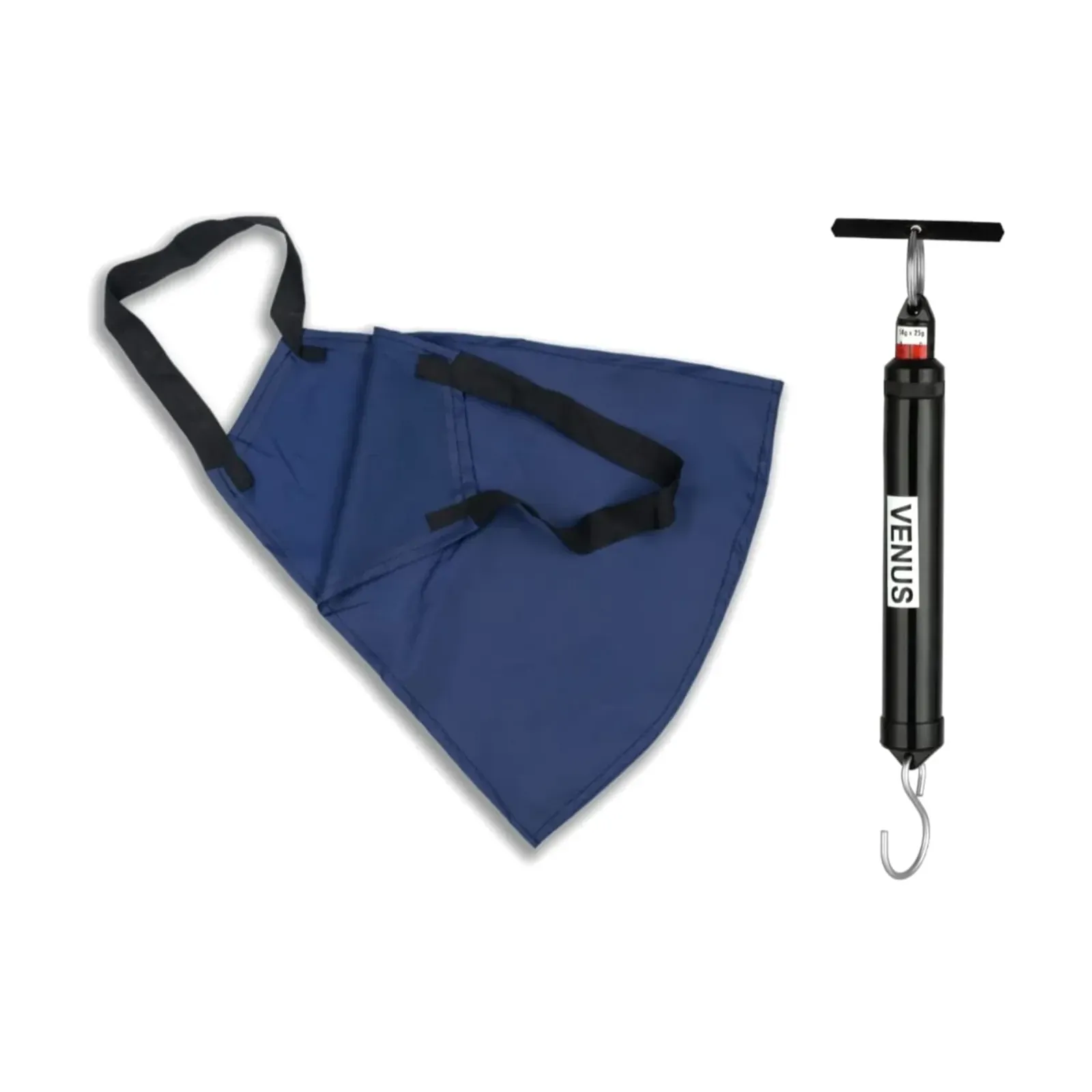
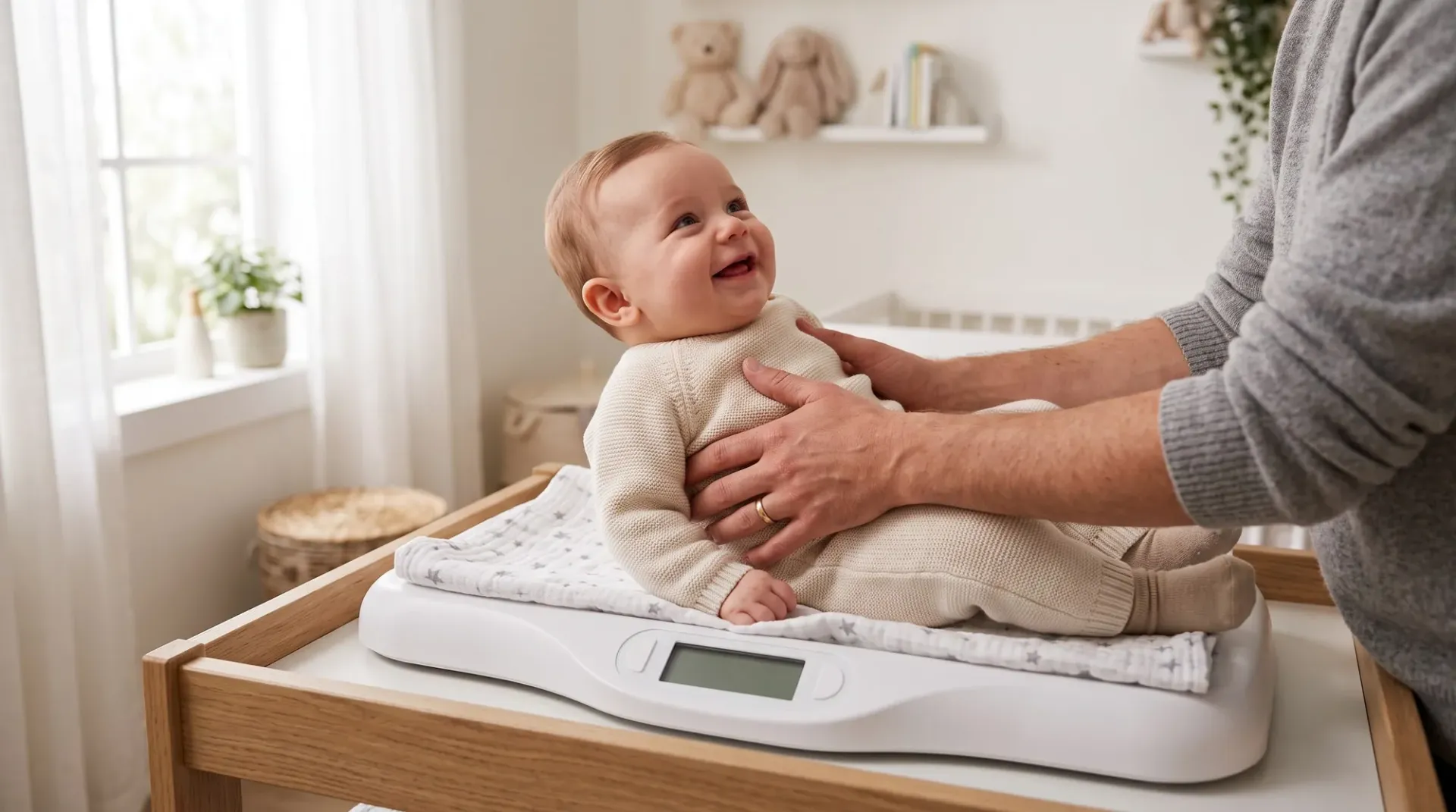
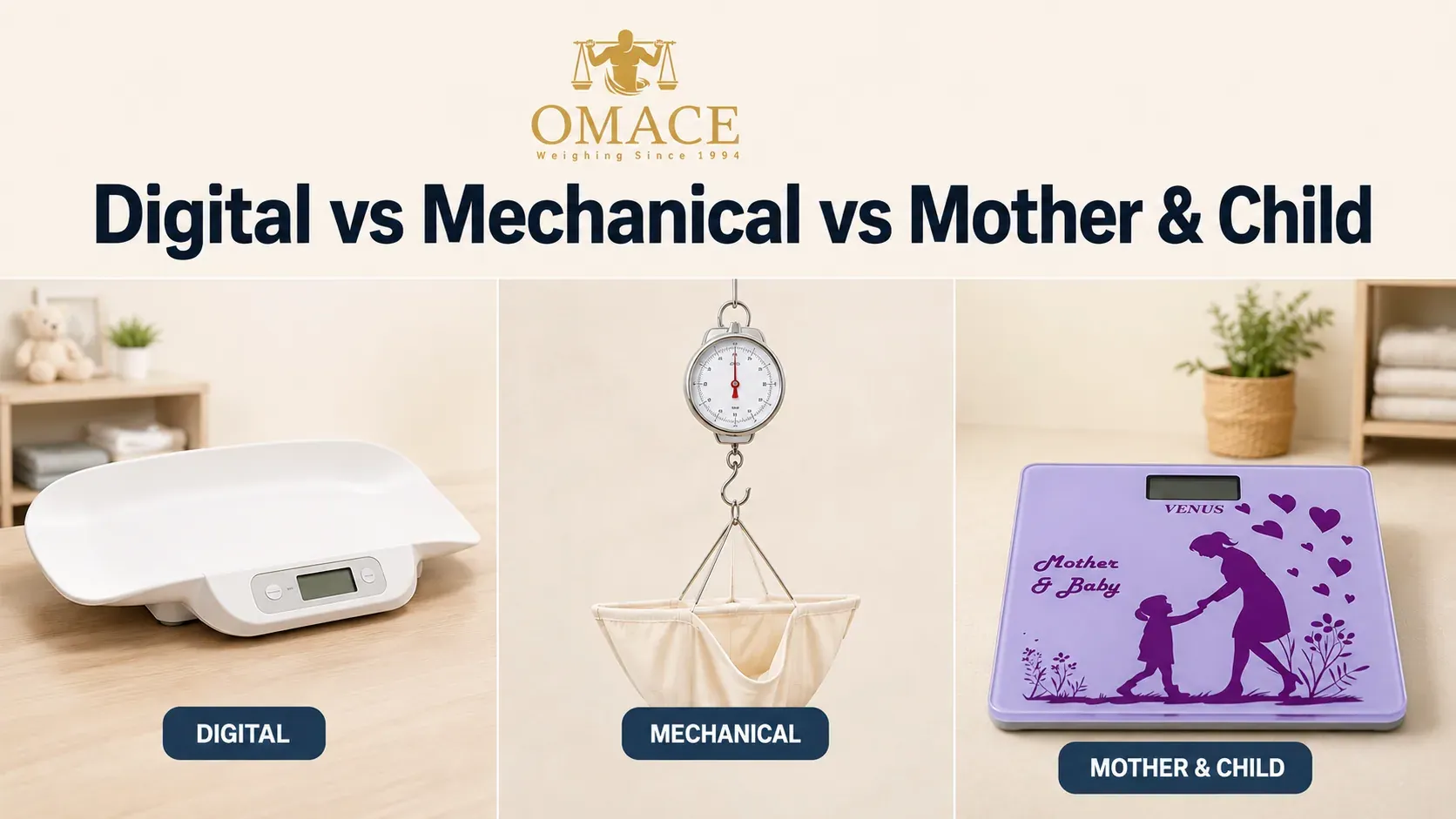
Vajan, the baby's weight, is one of the simplest checks an ASHA makes at home. The HBNC kit specifies a tubular spring scale with a sling that reads up to at least 5,000 g in 100 g marks. Its panel is green above 2,500 g, yellow from 2,000 to 2,500 g and red below 2,000 g. Birth weight goes on the MCP card, and the NHS notes that some early loss is normal, with steady gain after the first 3 to 4 days.
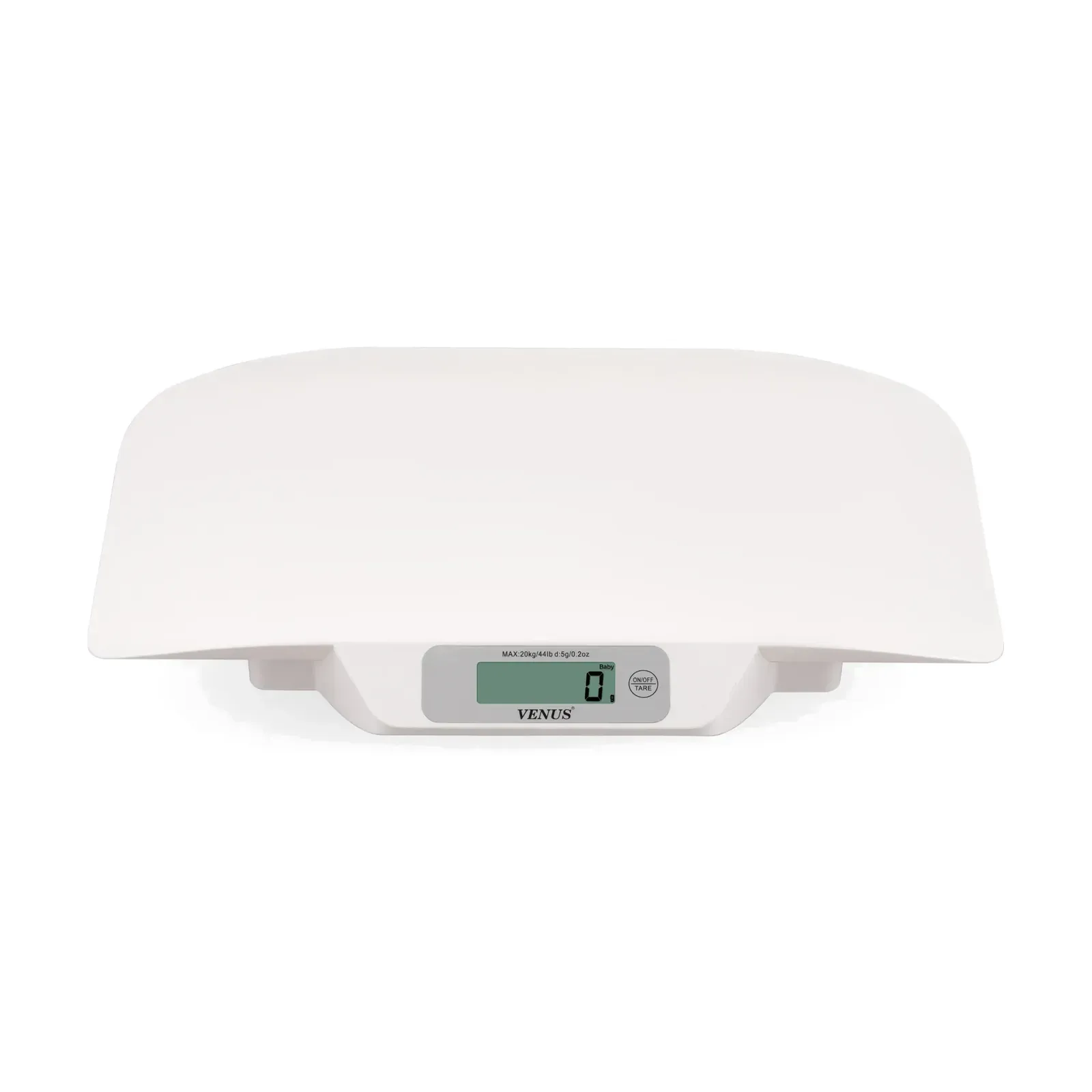
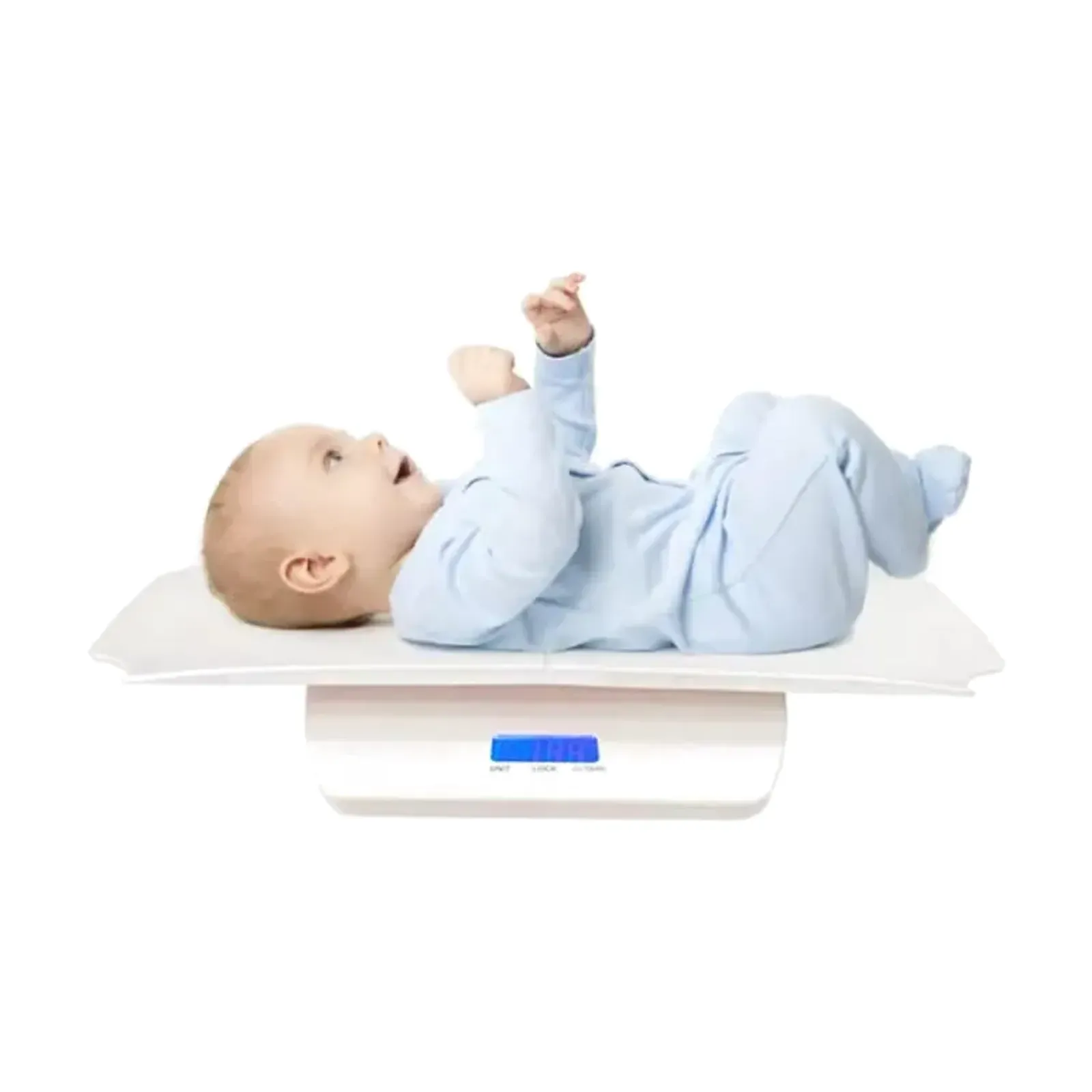
A family can follow the same numbers on the newborn weight chart, which is a reference and no target. A home scale is optional, since the ASHA or clinic scale does this job. Omace Brands Private Limited makes baby weighing scales in Bagru, Jaipur, and every scale is checked with certified test weights before dispatch.
Getting ready in the last weeks of pregnancy
Most of this fits on one cupboard shelf. Wash and fold the clothes, set up the sleep space beside your bed, and keep the thermometer and MCP card where you can reach them at night. Save the ASHA's number and ask her when the first visit will be. Anything else can wait until you know your baby and what the family already has. Once the first month settles, attention moves from daily care to new skills, and the month-by-month baby milestones chart picks up from there.