
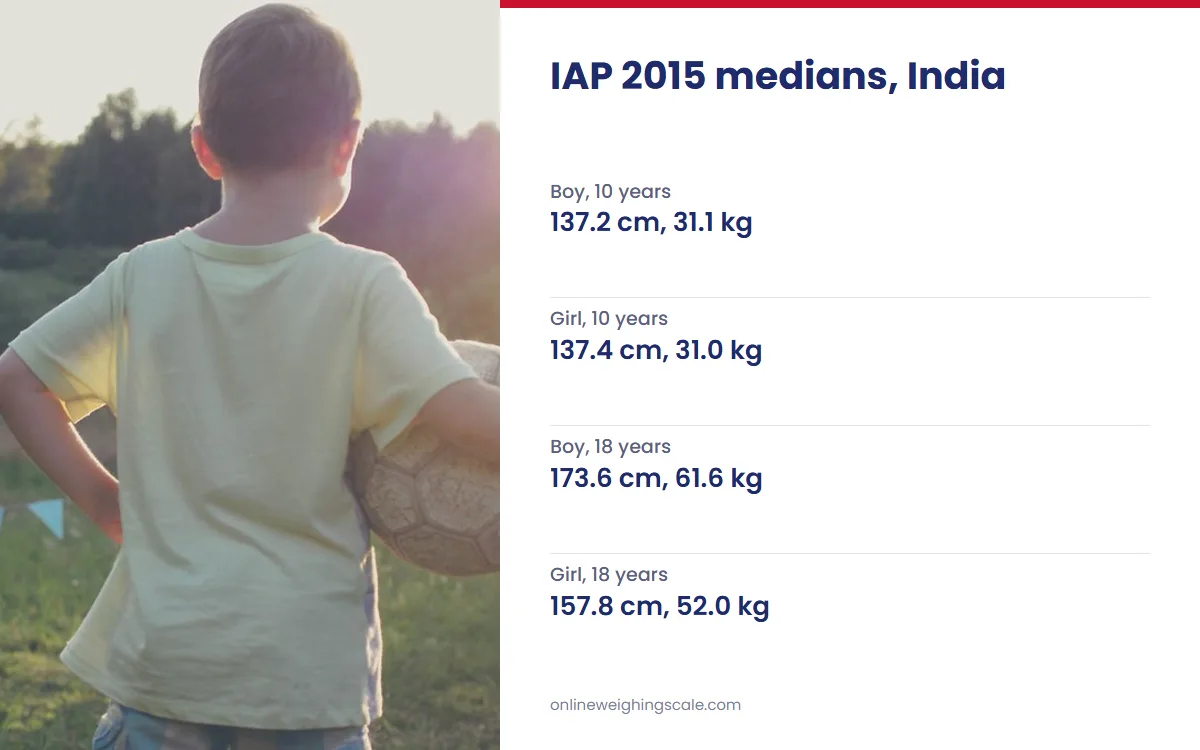
Height and weight by age for Indian children aged 5 to 18 are read from the Indian Academy of Pediatrics (IAP) charts, revised in 2015. At 10 years the IAP median is 137.2 cm and 31.1 kg for boys. Girls of the same age sit at 137.4 cm and 31.0 kg. A doctor judges growth from several readings plotted over time, because every child grows at an individual pace.
Average height and weight by age, 5 to 18 years
The table gives the median, or 50th percentile, for each year: half of healthy children are taller or heavier and half are shorter or lighter. The figures come from the IAP 2015 growth charts, built from measurements of 33,148 children in 14 Indian cities. The committee used data from upper and middle income families. It also removed children whose weight was more than 2 standard deviations above the norm for their height, so that the charts would not treat excess weight as normal.
| Age | Boys height | Boys weight | Girls height | Girls weight |
|---|---|---|---|---|
| 5 years | 108.9 cm | 17.1 kg | 107.5 cm | 16.4 kg |
| 6 years | 114.8 cm | 19.3 kg | 113.5 cm | 18.7 kg |
| 7 years | 120.7 cm | 21.9 kg | 119.4 cm | 21.2 kg |
| 8 years | 126.4 cm | 24.8 kg | 125.4 cm | 24.0 kg |
| 9 years | 131.8 cm | 27.9 kg | 131.4 cm | 27.2 kg |
| 10 years | 137.2 cm | 31.1 kg | 137.4 cm | 31.0 kg |
| 11 years | 142.7 cm | 34.7 kg | 143.3 cm | 35.4 kg |
| 12 years | 148.4 cm | 39.0 kg | 148.4 cm | 39.8 kg |
| 13 years | 154.3 cm | 43.3 kg | 152.2 cm | 43.6 kg |
| 14 years | 159.9 cm | 48.2 kg | 154.7 cm | 46.4 kg |
| 15 years | 164.5 cm | 53.1 kg | 156.1 cm | 48.4 kg |
| 16 years | 168.1 cm | 56.8 kg | 156.9 cm | 49.7 kg |
| 17 years | 171.0 cm | 59.5 kg | 157.4 cm | 50.9 kg |
| 18 years | 173.6 cm | 61.6 kg | 157.8 cm | 52.0 kg |
A median is a reference point for comparison. Two healthy children of the same age can sit far apart on the chart, because height runs in families and puberty starts at different ages.
Normal range at each age: 3rd to 97th percentile
The IAP charts draw curves from the 3rd to the 97th percentile. A child on the 3rd percentile is shorter or lighter than 97 of 100 children of the same age and sex. The IAP growth monitoring guidelines suggest a paediatrician's review when height falls below the 3rd or above the 97th percentile.
| Age | Boys height | Boys weight | Girls height | Girls weight |
|---|---|---|---|---|
| 6 years | 104.2–126.0 cm | 14.5–28.3 kg | 102.3–125.6 cm | 13.7–29.1 kg |
| 8 years | 114.3–139.1 cm | 17.5–39.4 kg | 112.6–138.1 cm | 16.7–38.1 kg |
| 10 years | 123.6–151.4 cm | 20.7–51.8 kg | 123.3–150.8 cm | 20.7–49.4 kg |
| 12 years | 133.2–163.7 cm | 24.9–66.1 kg | 134.0–162.0 cm | 26.2–62.1 kg |
| 14 years | 143.4–175.4 cm | 30.7–78.3 kg | 141.3–168.2 cm | 31.3–70.4 kg |
| 16 years | 151.8–182.7 cm | 37.5–85.8 kg | 144.7–170.1 cm | 34.7–72.8 kg |
| 18 years | 158.1–186.7 cm | 41.8–88.4 kg | 146.6–170.6 cm | 37.6–73.5 kg |
The weight range is wide because weight depends on height. A tall, slim child and a short, sturdy child can both be healthy at the same weight. That is why doctors check weight against height through BMI-for-age, covered below.
How boys and girls grow differently
Boys and girls grow almost in step until about 9 years. On the IAP chart, girls then draw level and slightly ahead: the median girl is 143.3 cm at 11 against 142.7 cm for boys. Girls are also a little heavier from 11 to 13 years, at 39.8 kg against 39.0 kg at 12.
The paths split in the mid-teens. The median girl adds 1.7 cm between 15 and 18 years, from 156.1 cm to 157.8 cm. The median boy adds 9.1 cm over the same years, from 164.5 cm to 173.6 cm. By 18, the median boy is 15.8 cm taller than the median girl.
The IAP committee found that Indian children are about as tall as children in Western references until puberty, then gain less height. The gap for girls is about 1 cm from 5 to 11 years and widens to 6 cm at 18. For boys it is about 1 cm until 12.5 years and 3.5 cm at 18. The same study recorded a secular trend: boys at 18 were 2.8 cm taller than on the IAP's earlier charts, and girls 0.8 cm taller.
IAP 2015 chart or WHO 2007 reference?
The IAP recommends its 2015 charts for Indian children aged 5 to 18 and the WHO standards below 5. The WHO 2007 growth reference covers ages 5 to 19 and is a reconstruction of the 1977 NCHS/WHO reference data. It gives height-for-age and BMI-for-age to 19 years, and weight-for-age only up to 10 years. Many schools and apps outside India use it, so it helps to know how the two compare.
| Age | Boys, WHO 2007 | Boys, IAP 2015 | Girls, WHO 2007 | Girls, IAP 2015 |
|---|---|---|---|---|
| 6 years | 116.0 cm | 114.8 cm | 115.1 cm | 113.5 cm |
| 10 years | 137.8 cm | 137.2 cm | 138.6 cm | 137.4 cm |
| 14 years | 163.2 cm | 159.9 cm | 159.8 cm | 154.7 cm |
| 18 years | 176.1 cm | 173.6 cm | 163.1 cm | 157.8 cm |
The WHO medians come from the WHO height-for-age tables for boys and girls. At 6 and 10 years the two charts differ by 1.6 cm or less. At 18, the WHO median is 2.5 cm higher for boys and 5.3 cm higher for girls. An Indian teenager who looks short on a WHO chart can sit comfortably inside the IAP range.
BMI for age: weight read against height
BMI is weight in kilograms divided by the square of height in metres. The store's BMI calculator does the arithmetic. Under 18, read the result against age-specific lines, because adult BMI bands do not apply to children. The IAP draws lines that match an adult BMI of 23 (overweight) and 27 (obesity), and treats the 3rd percentile as thinness.
| Age | Boys: 3rd / 23 line / 27 line | Girls: 3rd / 23 line / 27 line |
|---|---|---|
| 6 years | 12.2 / 16.0 / 17.8 | 12.0 / 15.9 / 18.6 |
| 10 years | 12.9 / 18.0 / 20.5 | 12.7 / 18.4 / 21.9 |
| 14 years | 13.8 / 20.8 / 24.2 | 14.3 / 21.8 / 25.9 |
| 18 years | 15.6 / 23.2 / 26.6 | 15.7 / 23.2 / 26.8 |
The WHO uses its own reference for ages 5 to 19. It classes BMI-for-age more than 1 standard deviation above the median as overweight, and more than 2 standard deviations above as obesity. A BMI reading is a screening number. It cannot tell muscle from fat, and a paediatrician interprets it with the child's history and examination.
How often to measure, and when to see a doctor
The IAP guidelines ask for height and weight every six months from 4 to 8 years. From 9 to 18 years, height, weight and BMI are checked once a year, along with the stage of puberty.
The same guidelines list growth patterns that call for a paediatrician's review:
- Height below the 3rd or above the 97th percentile.
- A drop or rise across two major percentile lines, such as from above the 75th to below the 50th.
- Growth of less than 5 cm a year between 3 and 9 years of age.
- Height outside the child's expected range worked out from both parents' heights; the IAP draws that range 8 cm above and below the child's target height.
- Signs of puberty before 8 years in girls or before 9 years in boys.
This is general information. Ask your doctor about your child's own readings.
How to measure a child's height and weight at home
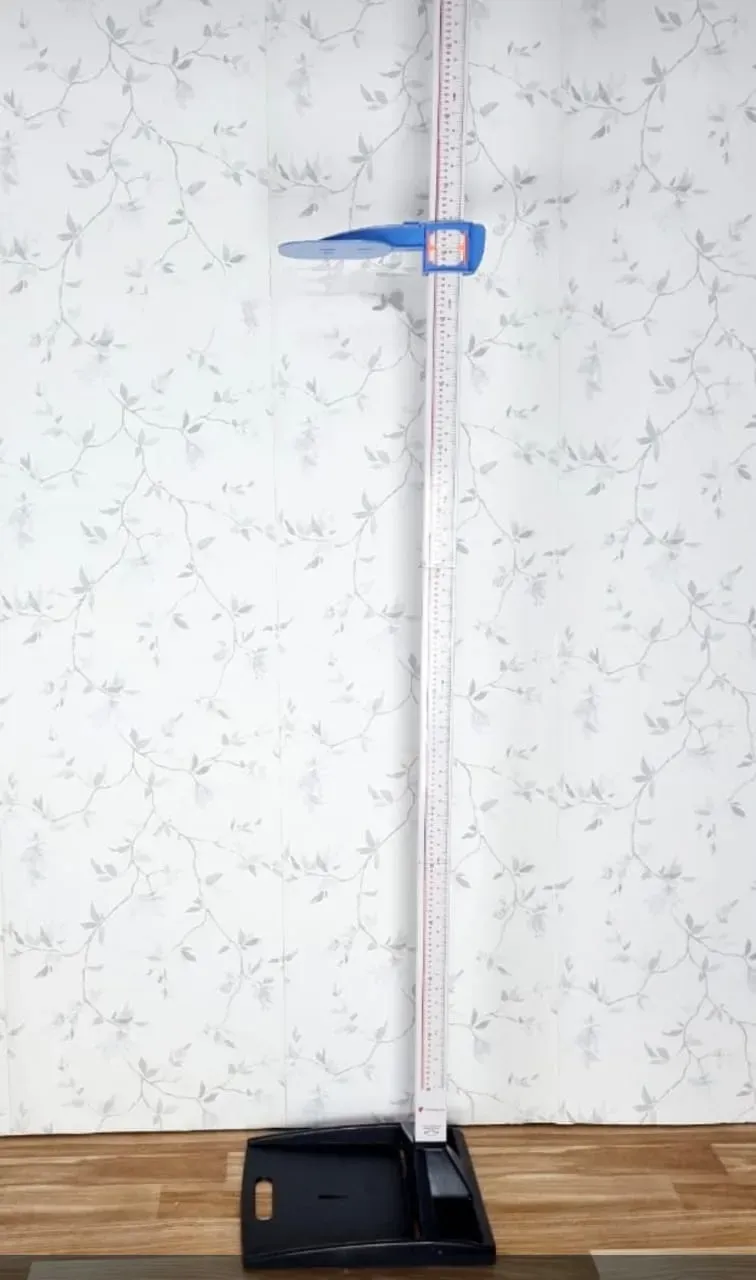
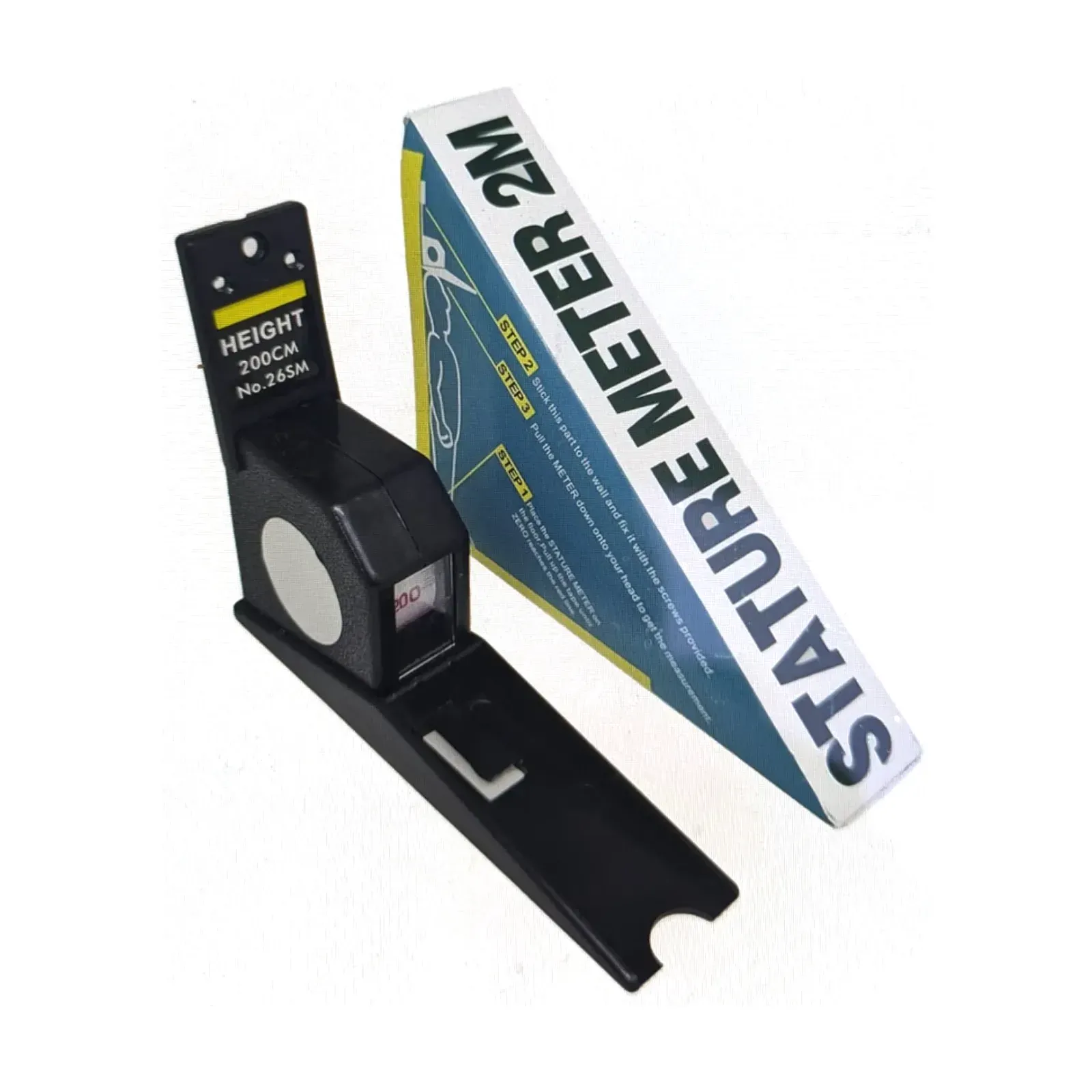
- Use a fixed height scale. A stadiometer or a wall-mounted stature meter gives a straighter reading than a loose tape held by hand.
- Measure without footwear. The child stands with feet together and heels, buttocks, back and head touching the board, looking straight ahead.
- Bring the headpiece down gently. It should rest flat on the crown and press the hair down, then read at eye level.
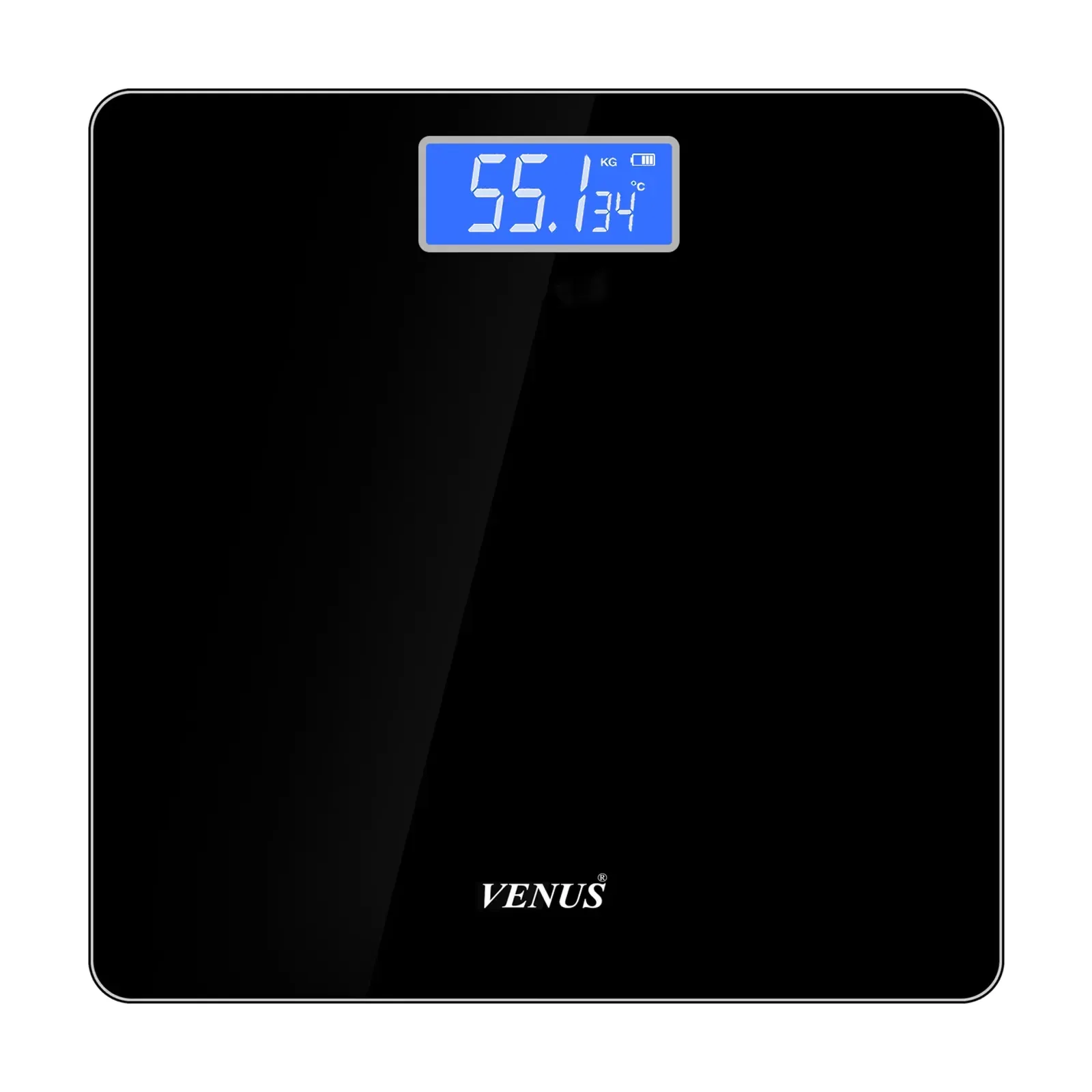
- Weigh on a hard floor. Carpet and uneven tiles make a bathroom scale read wrong, so use the same spot each time.
- Keep the routine the same. Measure at the same time of day in light clothing, and write the date next to each reading.
The guide to anthropometry and body measurements explains each measurement and the tools used in clinics and Anganwadi centres.
Instruments for growth checks at home and school
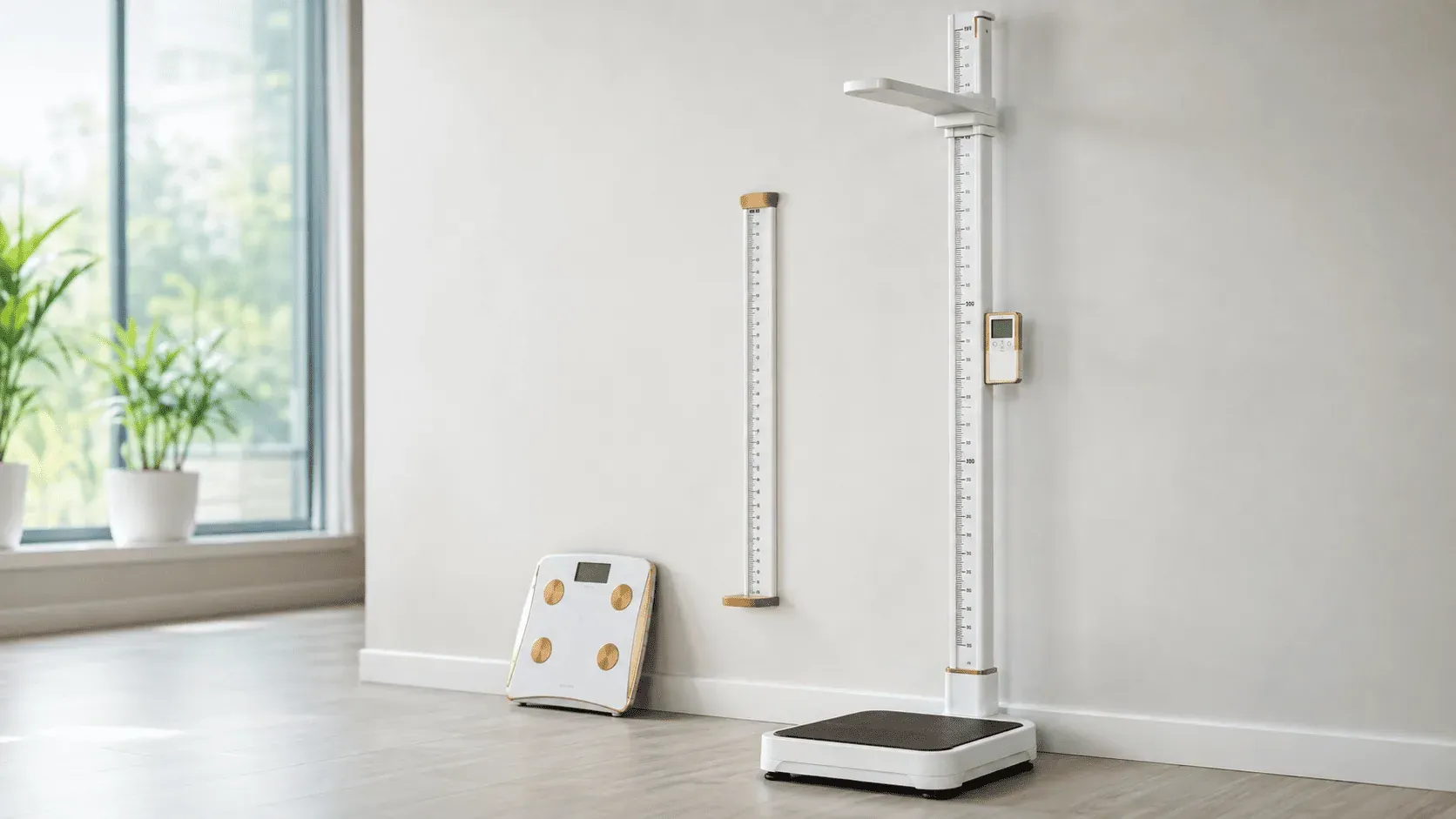
Omace Brands Private Limited has made weighing and measuring instruments in Bagru, Jaipur since 1994 (about Omace). The ICDS-SDM portable stadiometer measures height up to 2 m and costs ₹1,569. The ICDS-SDM wall-mounted stature meter reads 0 to 200 cm and costs ₹1,049. For weight, the Venus EPS-2001 digital weighing machine for body weight weighs up to 180 kg and costs ₹579. As a manufacturer, Omace Brands Private Limited holds ISO 9001:2015, ISO 13485:2016, EU MDR, CE and US FDA compliance certificates, listed on the certificates page. Every scale is factory calibrated and checked with certified test weights before dispatch. Store purchases carry a 2-year warranty on manufacturing defects, and every Omace product is made in India.
Growth charts for other ages
This chart starts at 5 years because the IAP uses the WHO standards for younger children. For the first five years, see the WHO boys growth chart from birth to 5 years and the newborn weight chart. For adults, the height and weight chart for men and women gives weight ranges by height. The guide to average height in India covers grown-ups state by state.