A food scale for portion control gives you a plain gram figure for what is on your plate, and the ICMR-NIN "My Plate for the Day" sheet lists its food groups in grams of raw weight. Cups, katoris and handfuls vary between kitchens, but 100 g of dal weighs 100 g everywhere. This guide covers taring, raw and cooked weights, and per 100 g labels.
Serving size and portion: two different things
A serving is the amount a food maker or a guideline names as one unit, such as 30 g of cereal on a packet. A portion is whatever you actually put on your plate. The two are often different, and a scale shows the gap without any judgement attached to it.
Official guidance uses both ideas. The National Health Service in the UK says an adult portion of fruit or vegetables is 80 g, and it counts a portion of dried fruit as around 30 g. Those are reference sizes for counting fruit and vegetables, not a rule for your meal.
In India, the Food Safety and Standards Authority of India (FSSAI) defines a single consumption pack as a package normally eaten by a consumer in one eating occasion. The same FAQ says the number of servings printed on a pack may be approximate, so a "serves 3" line is a guide and not a measurement. Only a scale tells you what you really ate.
What a kitchen scale does for portion control
A digital kitchen scale reads mass in grams, usually in 1 g steps. That is fine for rice, atta, dal, paneer, fruit, curd and cooked sabzi. It gives you a record of what a katori or a ladle actually holds in your own kitchen, which is often a surprise in both directions.
The habit is useful for several reasons that have nothing to do with a diet plan:
- You learn what your usual bowl holds, so a recipe or a label that talks in grams starts to make sense.
- You can follow a dietitian's or doctor's advice exactly, if you have been given amounts in grams.
- You can compare packed foods fairly, because labels are written per 100 g.
- You can cook for a family and divide a pot of sabzi by weight instead of by eye.
A scale is only a measuring tool. It does not tell you what you should eat, and this post does not set any amount for you.
How to weigh food, step by step
- Put the scale on a flat, hard surface. A soft counter or a folded cloth can change the reading.
- Switch it on and wait for 0 g to show.
- Place the empty plate or bowl on the platform.
- Press TARE (sometimes marked ZERO or T). The display returns to 0 g with the plate still sitting there.
- Add the first food until you reach the amount you want, then tare again and add the next food in the same bowl.
- Write the numbers down once or twice, so that you learn what your regular spoons and katoris hold.
Taring a plate is the one skill that makes a scale easy to live with. It removes the weight of the container, so the number on the display is the food alone. If the reading drifts or jumps, the cause is usually a weak battery, a tilted surface or a plate that touches the scale's edge. The weighing scale not working guide covers those faults, and how to calibrate a kitchen scale without weights shows a quick accuracy check with items you already own.
Raw weight and cooked weight
The ICMR-National Institute of Nutrition (ICMR-NIN) states the amounts on its My Plate sheet as raw weight in grams per day. Raw means before cooking, with the grain or dal still dry.
This matters because cooking changes weight. Rice, dal and pasta absorb water, so a cooked cup weighs far more than the dry grain that went into it, while many vegetables and meats lose water and weigh less after cooking. A gram figure is only meaningful when you know which state it describes.
A simple way to handle it:
- If a recipe, label or guideline says raw or dry weight, weigh the grain or dal before it goes into the pot.
- If you cook for several people, weigh the dry amount, cook the whole pot, and divide the cooked pot by the number of plates.
- If you only know the cooked amount, stay with cooked weights from start to finish and do not mix the two.
The My Plate sheet also says the prescribed amount of vegetables, excluding potato, may be eaten cooked or as salad. For volume to weight questions, the grams to cups chart for Indian ingredients is a good companion to the scale.
Reading a nutrition label per 100 g
Packed foods in India carry a nutrition information panel. FSSAI's labelling FAQ treats nutrition per 100 g as the standard basis, and it lets tablets and capsules show the information per serve or dose instead because they are eaten in tiny amounts. For most foods you will see two columns, one per 100 g and one per serve.
The per 100 g column is the fair one. It lets you compare two biscuits, two namkeens or two breakfast cereals on the same footing, even if their packs and serving sizes differ.
To work out what your own portion contains, use a simple proportion:
- Weigh the food you will actually eat, for example 40 g.
- Take the per 100 g figure for the nutrient you care about.
- Multiply that figure by your weight and divide by 100.
If a label says 20 g of something per 100 g, then your 40 g portion has about 8 g of it. A kitchen scale and a phone calculator are enough. Label figures are declared values, so treat the result as an estimate and not as an exact count.
The serving size on the front is set by the maker, so a pack that says "2 servings" may be a pack you finish alone in one sitting. Weigh your portion and use the per 100 g column, and the question of what counts as one serving stops mattering.
What the ICMR-NIN plate shows in grams
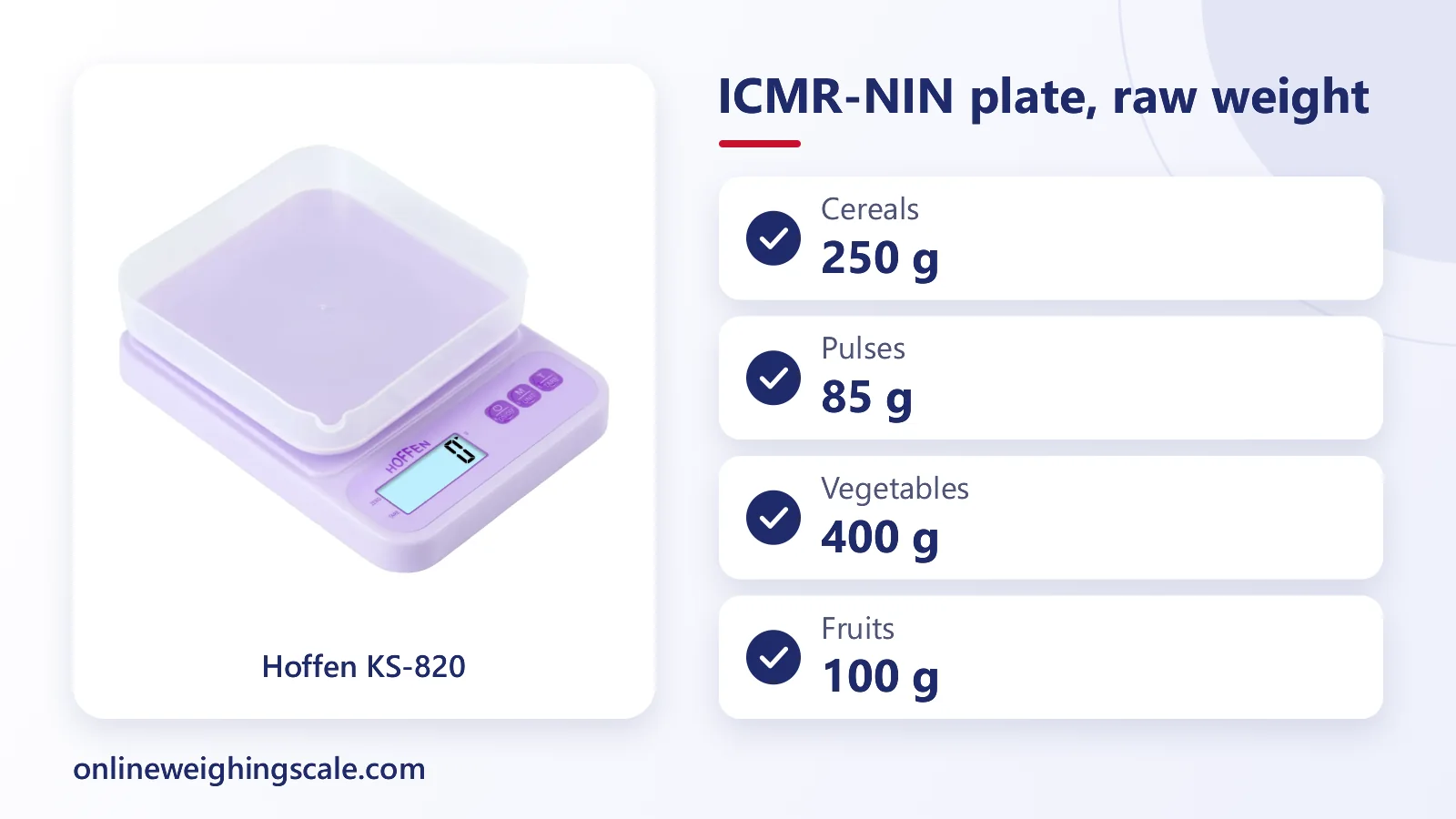
ICMR-NIN's My Plate for the Day sheet is the Indian government's picture of how food groups sit together in a day. It gives amounts in raw grams, which is why a scale suits it so well. The sheet lists these figures for the day:
| Food group | Raw weight in the sheet |
|---|---|
| Cereals including nutricereals | 250 g |
| Pulses, with eggs, fish or meat as a substitute for part | 85 g |
| Milk or curd | 300 ml |
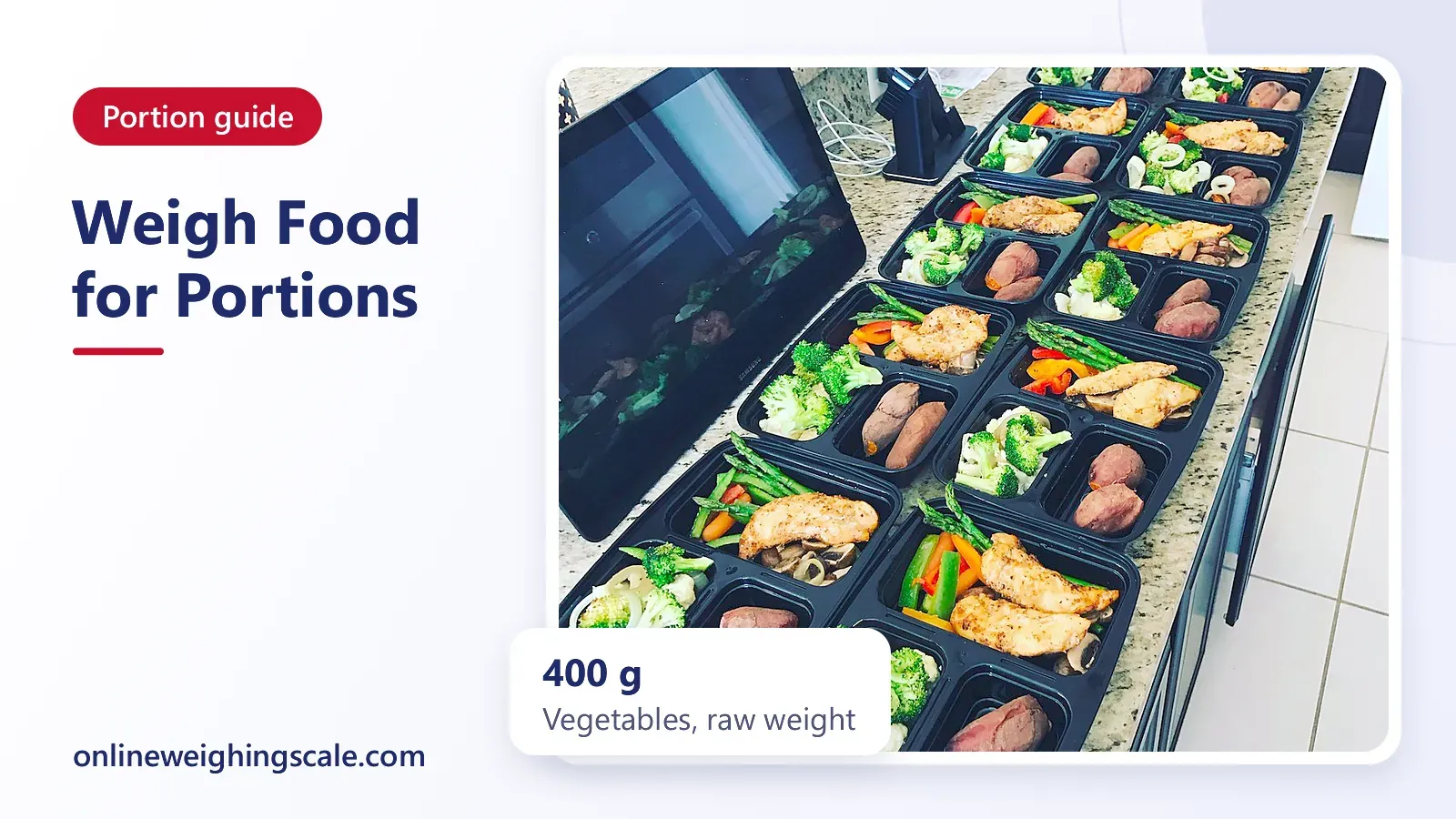
| Vegetables including green leafy vegetables | 400 g |
| Fruits | 100 g |
| Nuts and seeds | 35 g |
| Fats and oils | 27 g |
These figures describe a model plate for one whole day and not for one meal. The sheet says the plan is not for any specific medical condition. A child, a pregnant woman, a farmer and an office worker need different amounts, so treat the table as a picture of proportions. By weight, vegetables are the largest group on it.
Do not read the table as a target you must hit. Your doctor or a registered dietitian can tell you what suits your age, health and activity. If you were given amounts, the scale is how you follow them exactly.
What to weigh, and what not to bother with
You do not need to weigh everything forever. Most people get the benefit from a short period of weighing, and then they remember what a normal plate looks like.
These foods are worth weighing, because the eye misjudges them:
- Dry rice, atta, dal, poha and oats before cooking.
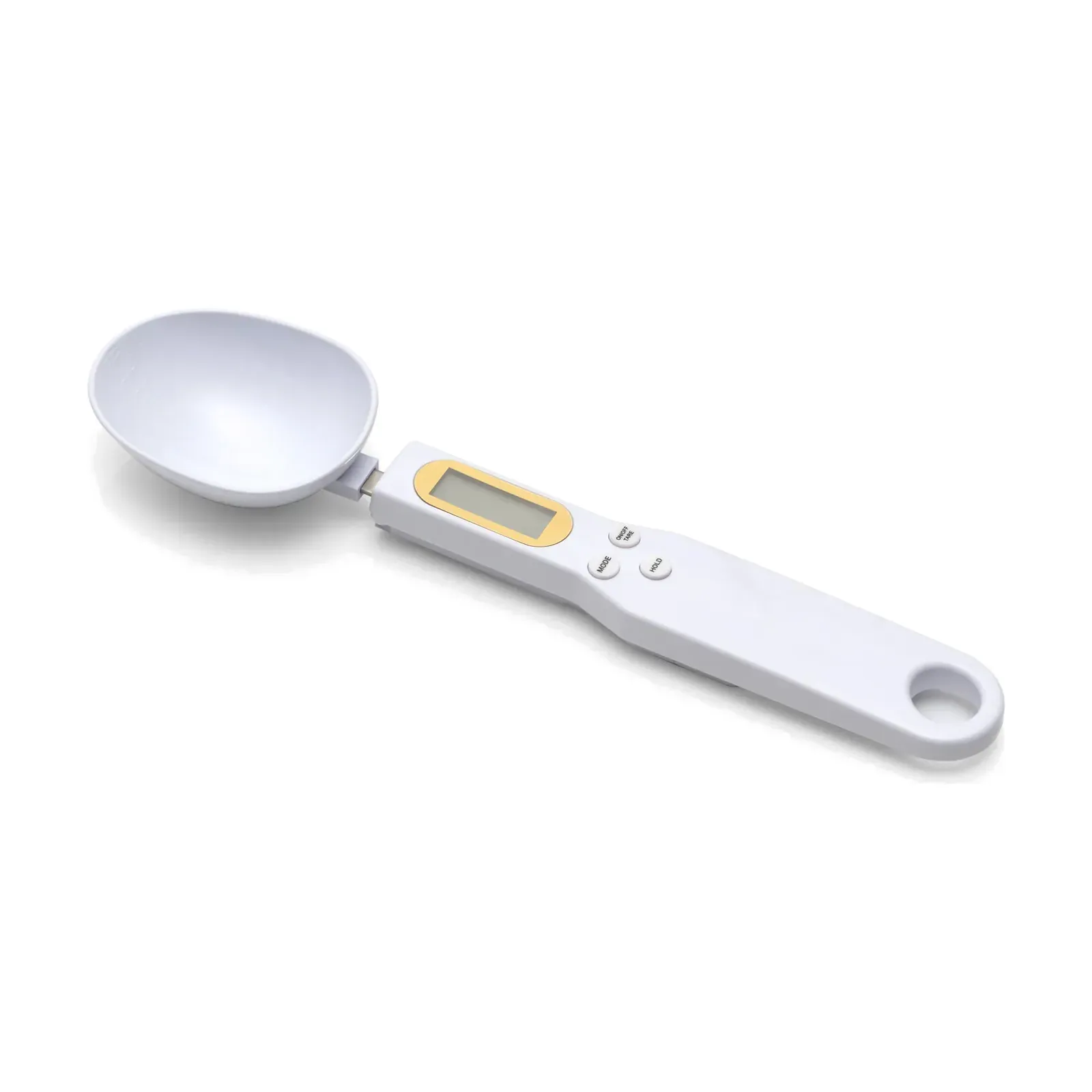
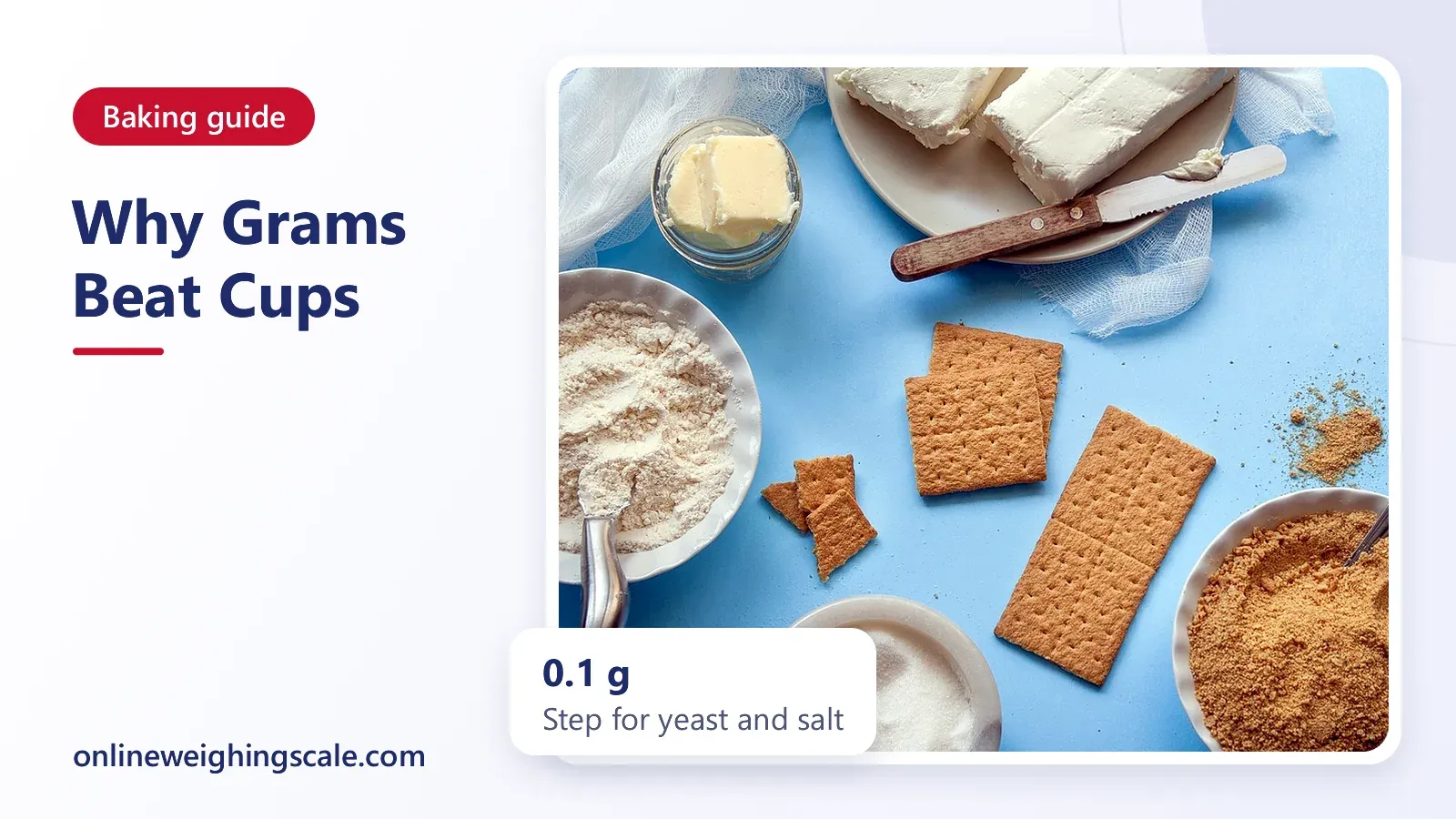
- Cooking oil, ghee and butter, which add up fast. A digital spoon scale reading in 0.1 g steps is handy for small amounts.
- Nuts, seeds, cheese and paneer, which are dense and easy to over-pour.
- Packed snacks, by pouring a portion into a bowl instead of eating from the packet.
- Cooked sabzi or dal, if you are dividing a pot between several plates.
These are usually not worth the trouble:
- Leafy greens, salad, cucumber and similar vegetables, where the amounts are large and harmless to guess.
- Water, tea and plain buttermilk, which a measuring jug handles better.
- Meals eaten out, where you cannot weigh anything. A rough sense of the plate is enough.
- Single whole items such as one egg or one banana, which already come in a natural unit.
Weighing without turning it into a worry
Weighing food should feel like cooking with a recipe, a practical step and nothing more. If counting grams starts to cause stress, guilt after meals or a fear of eating, put the scale in a drawer and speak to your doctor. Food is not a test you pass or fail.
A plate that weighs more than the sheet suggests is information and no more than that, and some days are bigger than others. The numbers are there to inform you and to help you follow professional advice accurately.
Body weight on a bathroom scale is a separate subject. It moves with water, salt and the time of day, so a single reading says little. For body fat figures, see are smart scales accurate and how a smart scale measures body fat, which explain why such figures are estimates.
This is general information. Ask your doctor about your own readings.
Choosing a kitchen scale for portions
For portion work you need three things: a flat platform big enough for a plate, a TARE key and 1 g steps. Most Indian kitchens do well with a capacity of 5 to 10 kg, which handles a heavy bowl of dal or a pot of sabzi. The how to choose a kitchen scale guide goes through batteries, platform types and display.
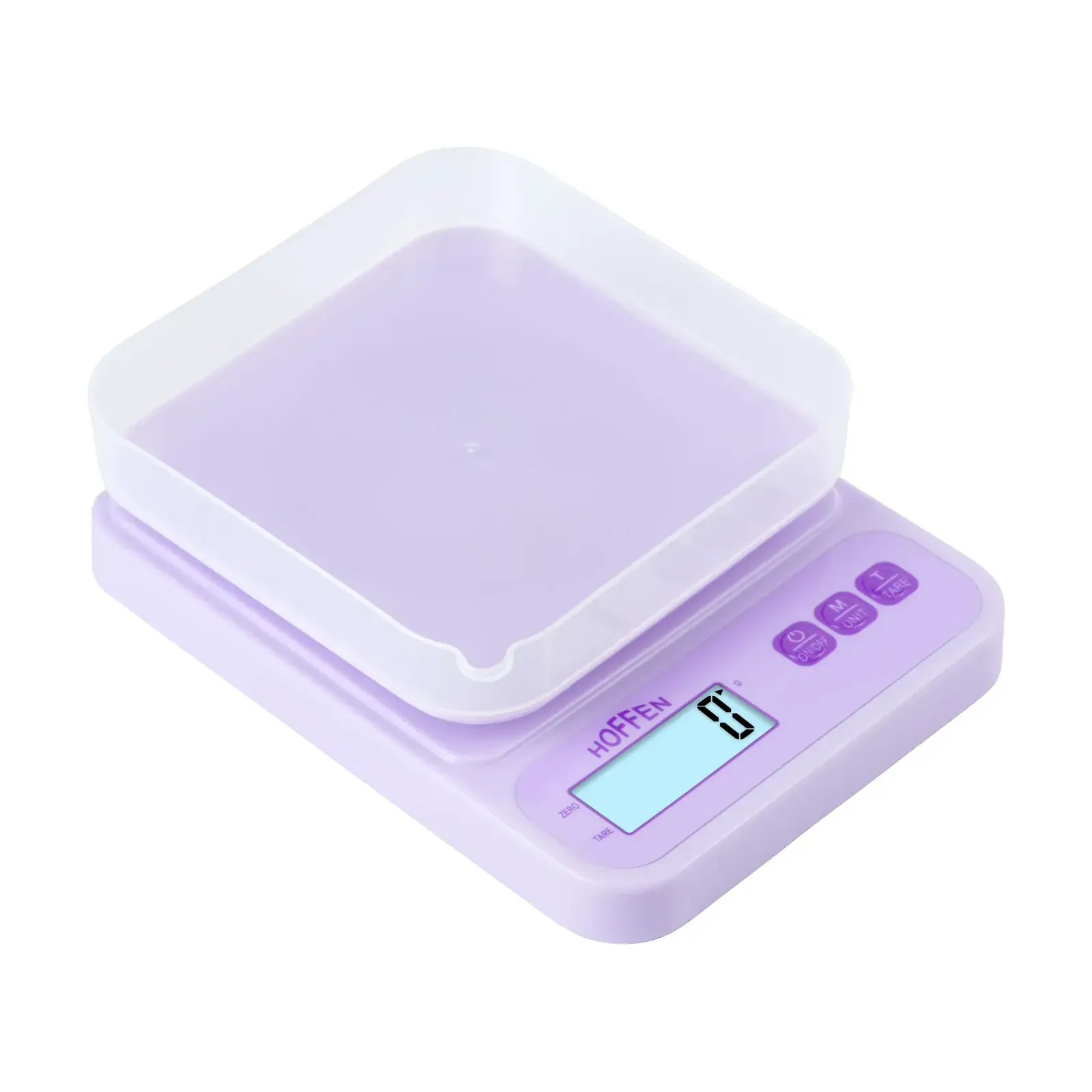
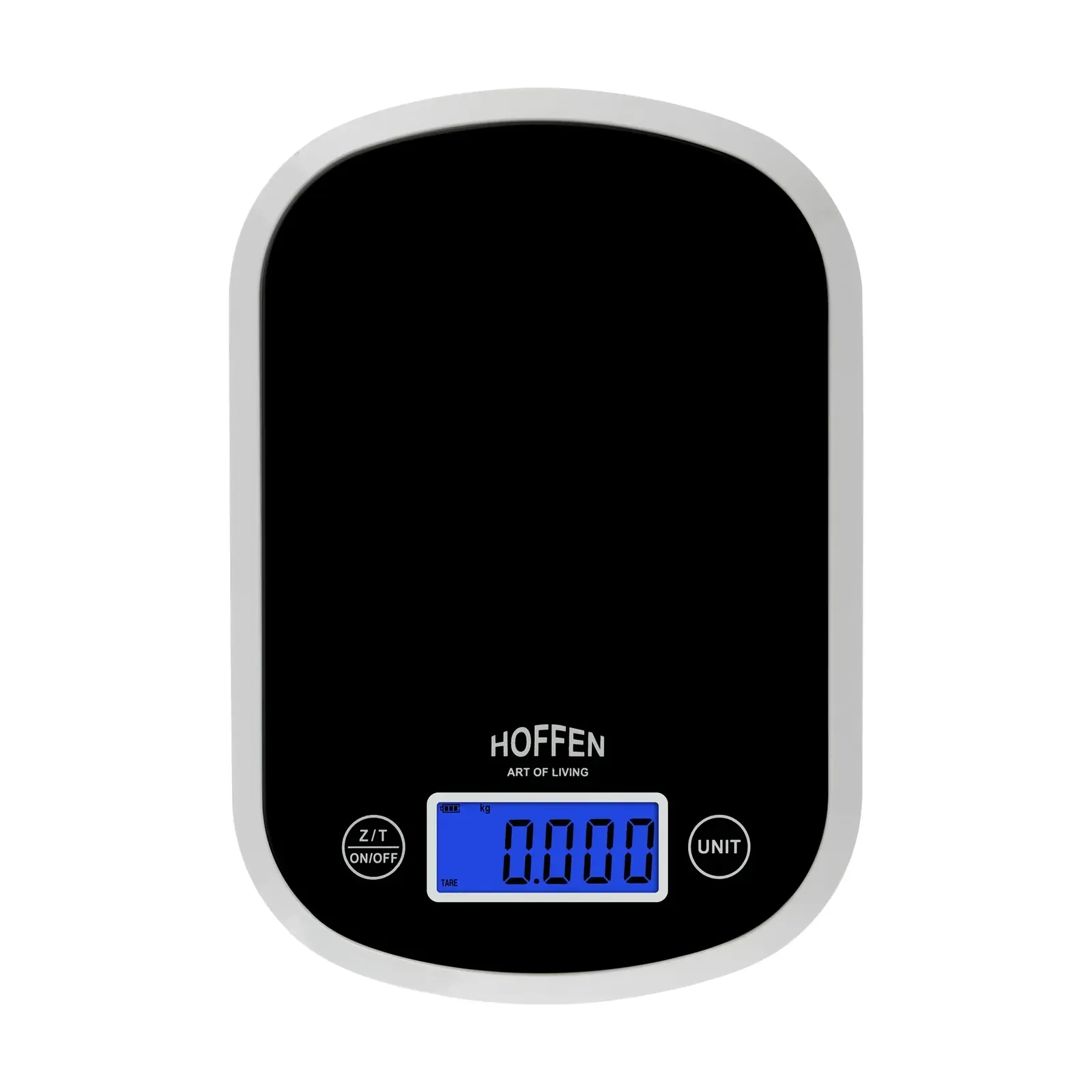
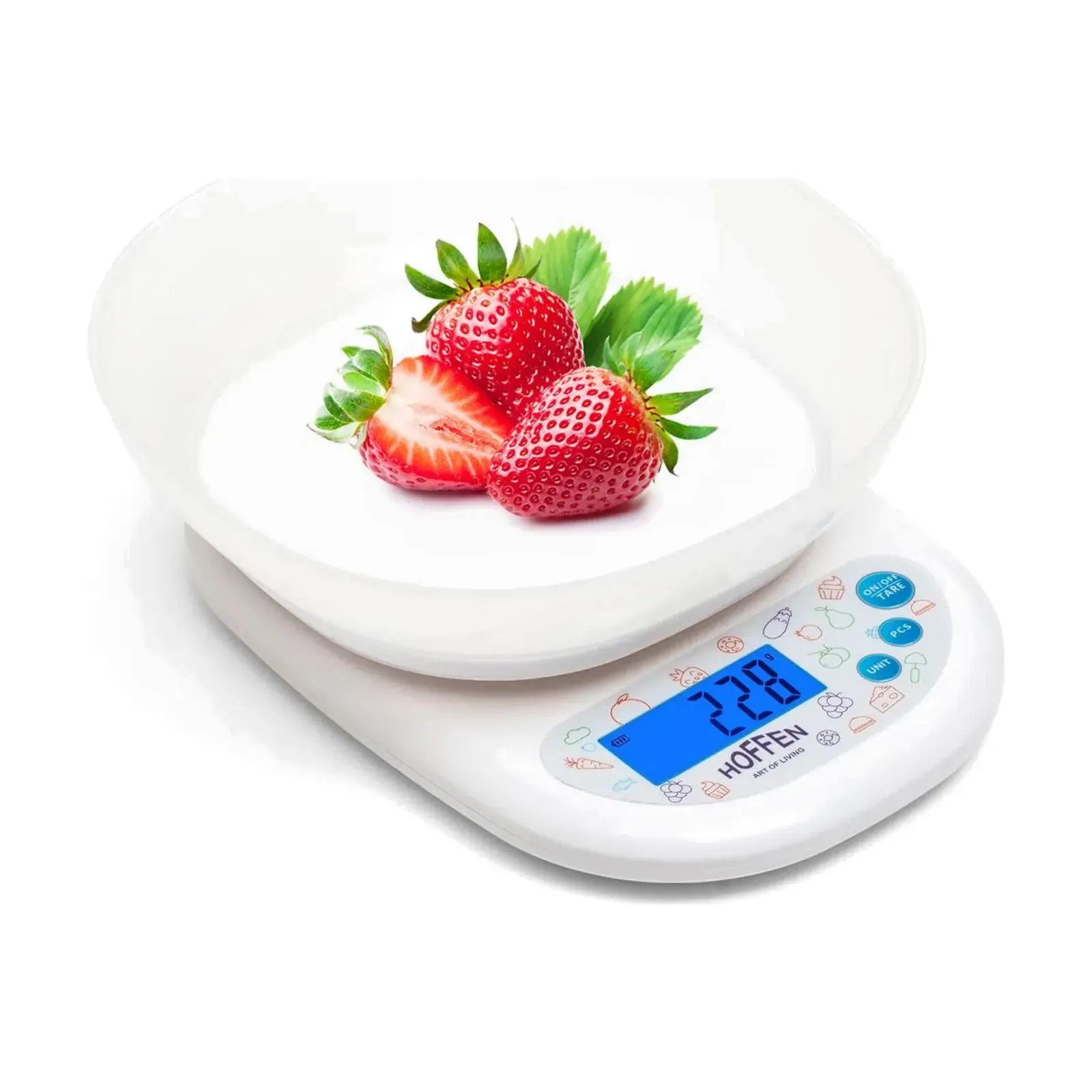
Omace Brands Private Limited, a manufacturer in Bagru, Jaipur since 1994, sells Hoffen and Venus kitchen scales. The Hoffen KS-820 Food Weighing Scale reads 7 kg in 1 g steps and comes with a tray, at ₹519. The Hoffen KS-601 Digital Kitchen Scale reads 5 kg in 1 g steps with a large display, at ₹629. The Hoffen Digital Spoon Scale reads 500 g in 0.1 g steps for oil, spices and other small amounts, at ₹939. Prices are as listed in the store in November 2026.
On Omace digital scales a long press of TARE opens calibration mode on some models and a long press of the M key on others, and the manual for each model shows which, which helps if a reading ever seems off. Browse the full kitchen scale range to compare models, and see weight of everyday objects for items you can use to test a scale at home.