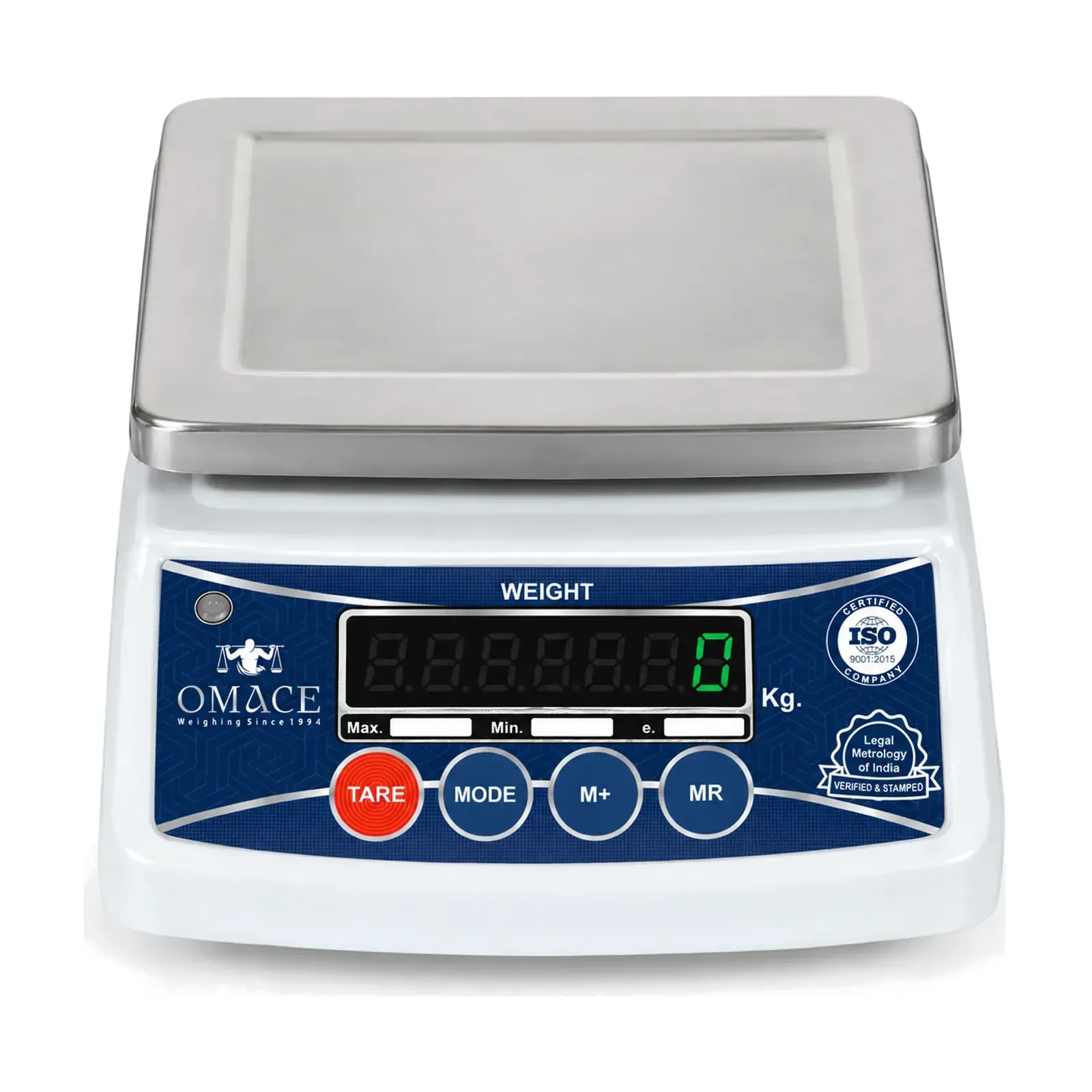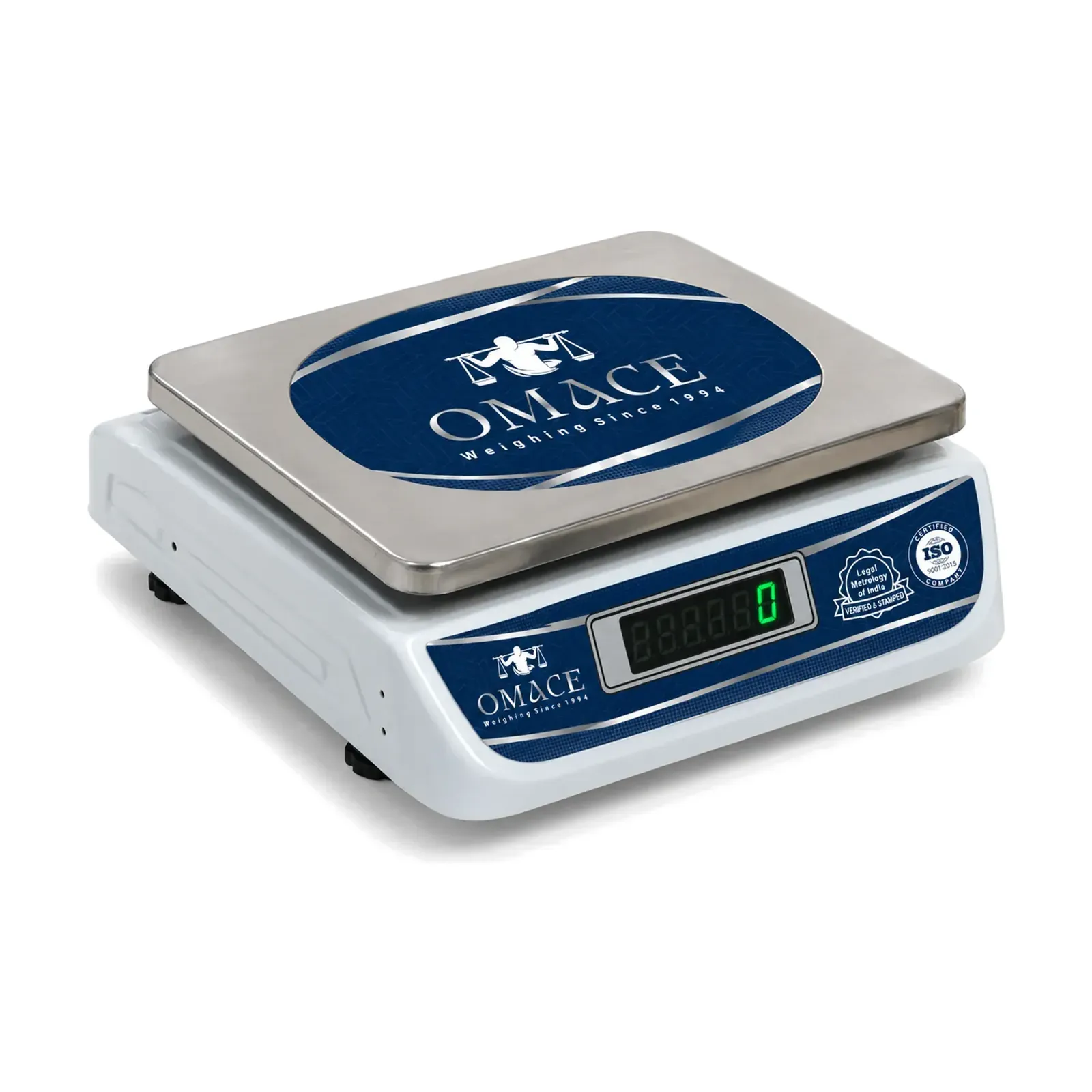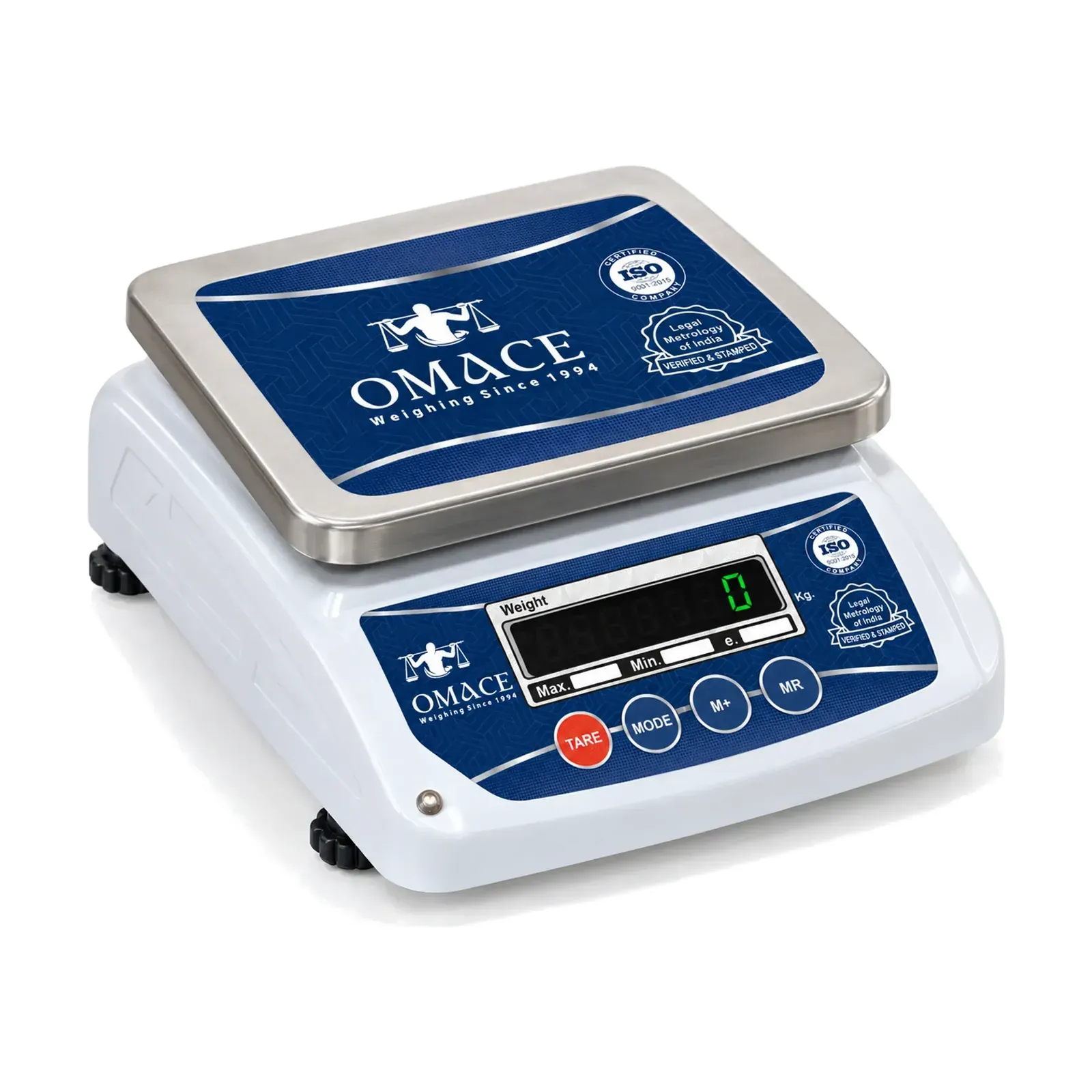
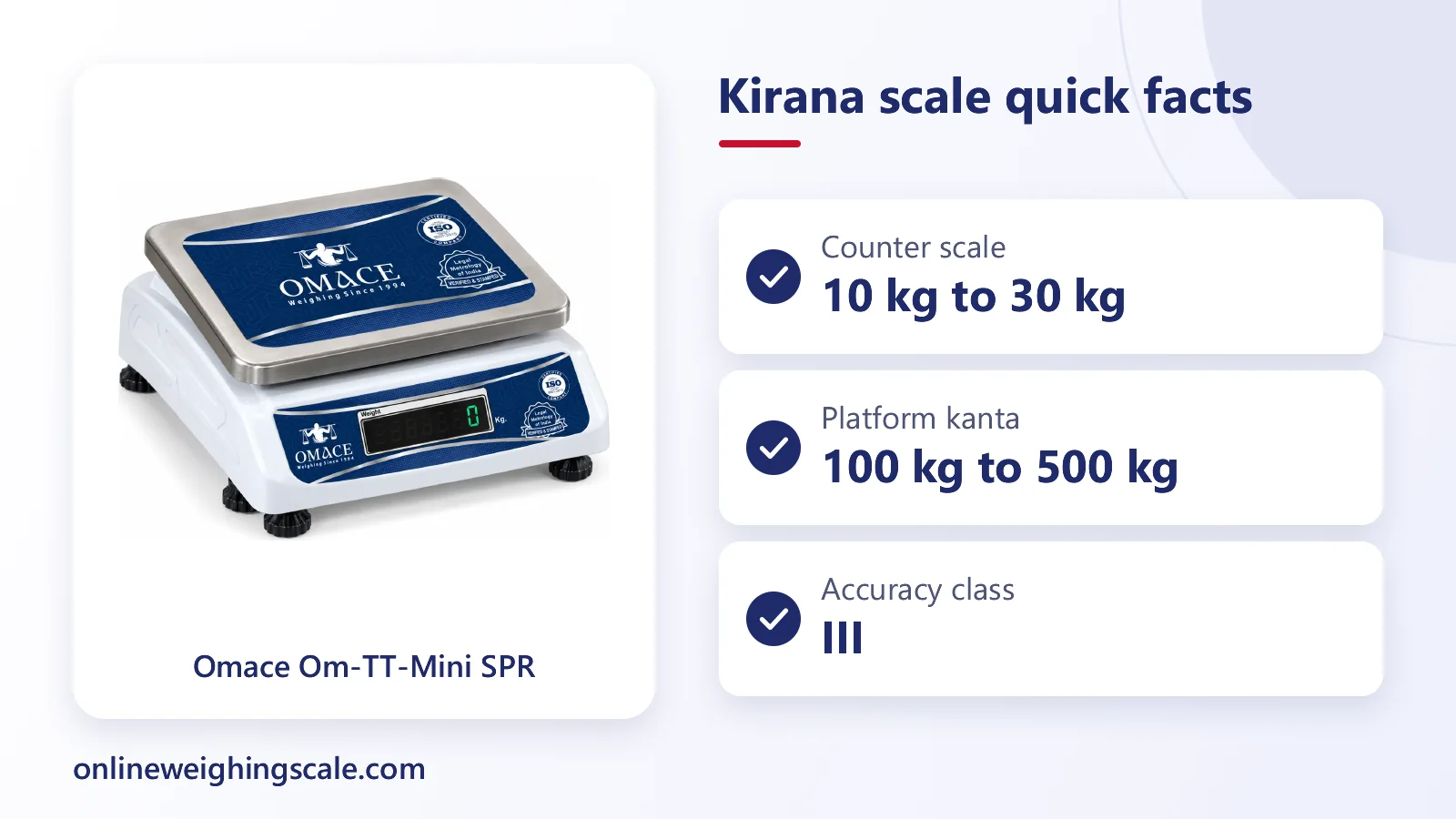
A weighing scale for a kirana shop should read in grams, hold at least 10 kg to 30 kg for loose goods, and carry the Legal Metrology verification stamp. A shopkeeper in India who sells by weight needs all three before the first customer arrives, because an unstamped scale cannot be used for trade. The right capacity depends on what the shop sells most: dal and sugar sit comfortably on a 10 kg or 20 kg kanta, while sacks need a platform scale.
Start with what you sell, then choose the capacity
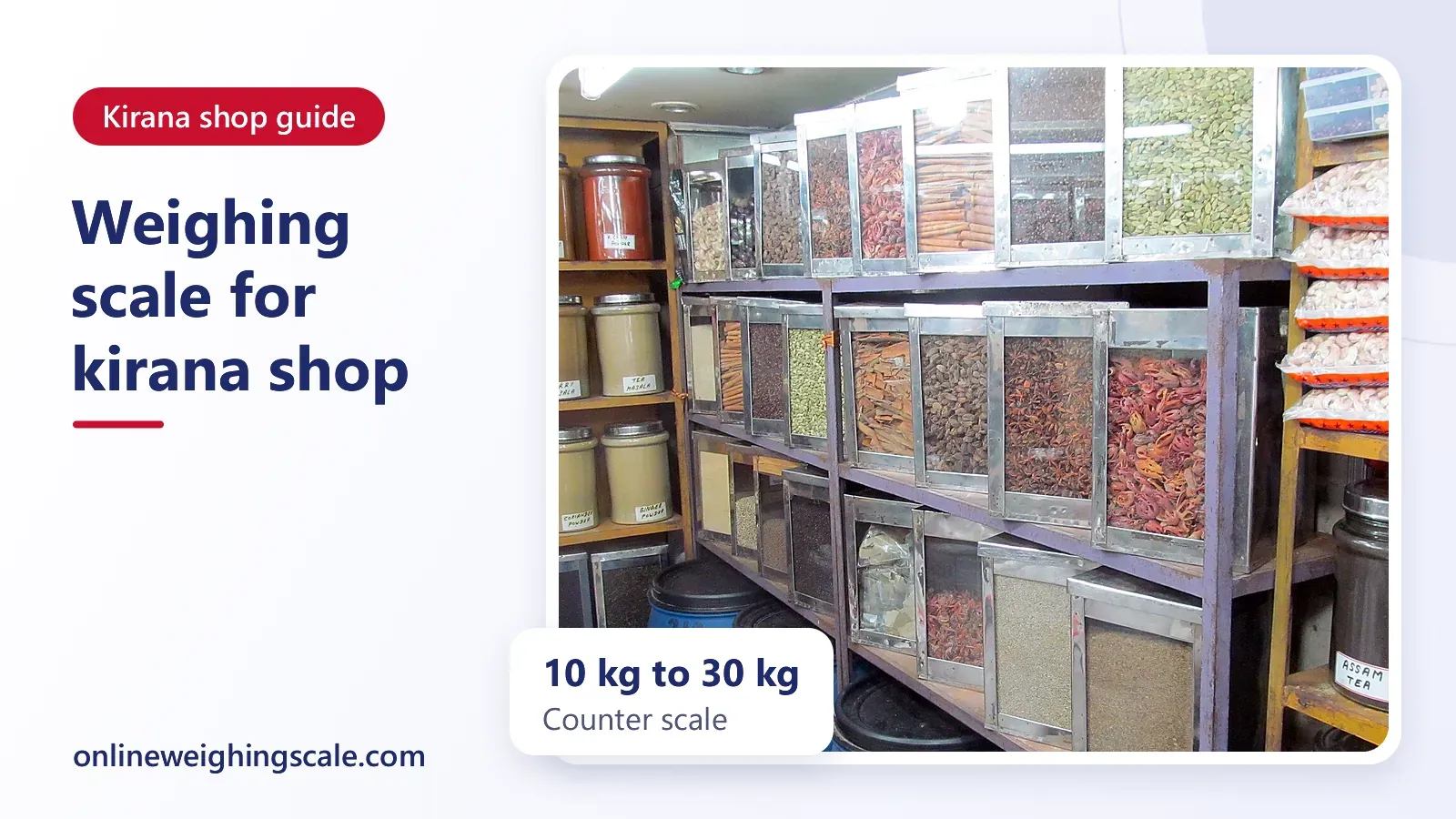
Every kirana counter weighs a few things all day. Sugar, dal, rice, atta, spices, dry fruit, jaggery and loose tea go out in lots of 100 g to 5 kg. A scale that handles that range well is a table-top kanta with a steel pan. Vegetables and fruit go out in bigger lots, often 5 kg to 20 kg, so a 30 kg machine saves a second scale. Sacks of 25 kg to 50 kg need a platform kanta.
Capacity and smallest step go together. A 10 kg machine that reads in 1 g steps suits spices and dry fruit, where a few grams change the bill. A 30 kg machine that reads in 5 g steps is fine for vegetables and rice. Buying a bigger capacity than you need makes the small weights coarser, so match the machine to your fastest-moving items and not to the heaviest thing you might ever lift.
| What the shop sells | Capacity to look at | Display and style |
|---|---|---|
| Spices, dry fruit, tea, sugar in small lots | 10 kg, reading in 1 g steps | Compact table-top, display on both sides |
| Dal, rice, atta, sugar, general counter | 10 kg to 20 kg | Steel pan, front and back display |
| Vegetables, fruit, bulk grain | 30 kg | Larger pan, pole display if the customer stands far |
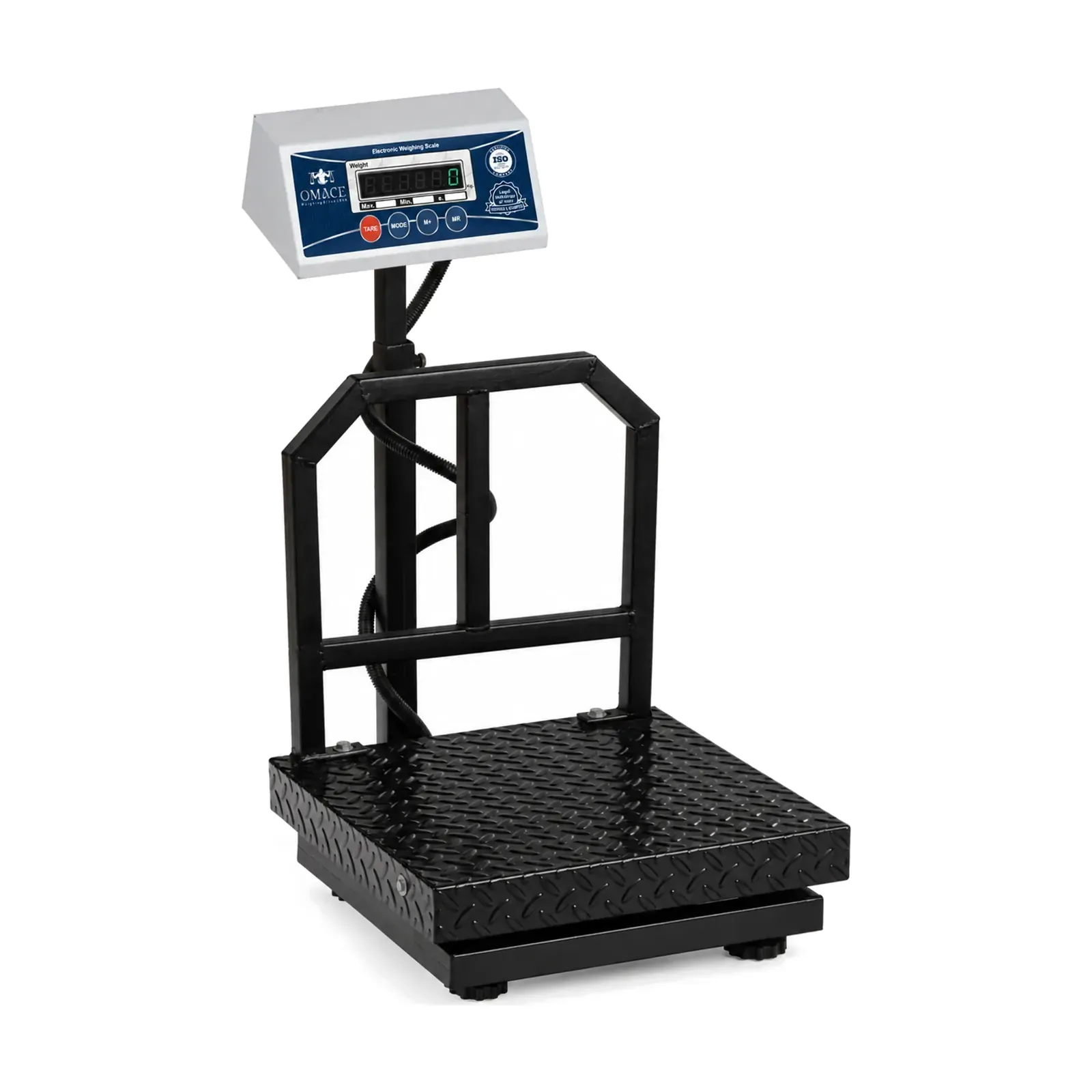
| Sacks, bags, cartons at the godown | 100 kg to 500 kg | Platform kanta |
The verification stamp is not optional
The Delhi Legal Metrology department states in its FAQ that a person cannot use unverified and unstamped weights and measures in any circumstances. The same page says the manufacturer is responsible for the initial stamping of a new instrument. The rule comes from the Legal Metrology Act, 2009, and each state runs its own office, so the fee and the counter differ by city while the principle is the same everywhere. Our guide to legal metrology in India explains the Act and the department in full.
The stamp is simple to read. According to the Delhi department, a passing instrument receives a stamp showing the inspector's ID, the year and a quarter code from A to D, and a certificate records the next due date and the maximum permissible error. Keep the certificate in the shop. The General Rules amendment of 18 December 2025 sets a verification period of twenty-four months for counter machines, beam scales and weights, so ask the state office which category your scale falls in. When the due date passes, the scale goes back for re-verification, and the Delhi page says an additional fee at half the Schedule IX rate is charged for each quarter that has lapsed.
Omace Brands Private Limited sends shop scales out of its Bagru, Jaipur works verified and stamped by Legal Metrology, and the stamp is valid across India. That is why a new kanta from the maker needs no first visit to the department. Fees for later re-verification are covered in weighing scale stamping charges, and the meaning of the term is in legal for trade weighing scale.
The Legal Metrology Act, 2009 punishes the use of a false or tampered weight or measure, and the Jan Vishwas (Amendment of Provisions) Act, 2026 revised the penalty amounts and added improvement notices. A notification of 27 April 2026 brought those Legal Metrology changes into force on 1 May 2026. An officer who believes a trader has not complied can now serve an improvement notice that lists the steps to take within a reasonable period. Ask the state Legal Metrology office for the current penalty before relying on any figure you hear in the market. A scale that has drifted by itself is a separate problem, but a stamp that has lapsed is the first thing an inspector asks about.
Accuracy class: ask for the medium class
OIML R 76-1, the international standard for non-automatic weighing instruments, sorts scales into four accuracy classes and calls class III medium accuracy. The Om-TT shop scales from Omace Brands Private Limited are accuracy class III. Ask any seller which class a scale is stamped in and check it against the data plate. As a worked example from OIML R 76-1 Table 3, class III allows at most 10,000 verification intervals (capacity divided by division): 30 kg at a 5 g division is 6,000 intervals and sits in class III, while 30 kg at a 2 g division is 15,000 and falls under class II. For the finer difference between a scale that is repeatable and one that is correct, see accuracy vs precision.
Display, battery and pan: the daily-use details
A kirana counter has the shopkeeper on one side and the customer on the other. A front and back display lets both see the weight, which settles most arguments before they start. A pole display lifts the numbers above the goods, which helps on a crowded counter or at a vegetable stall.
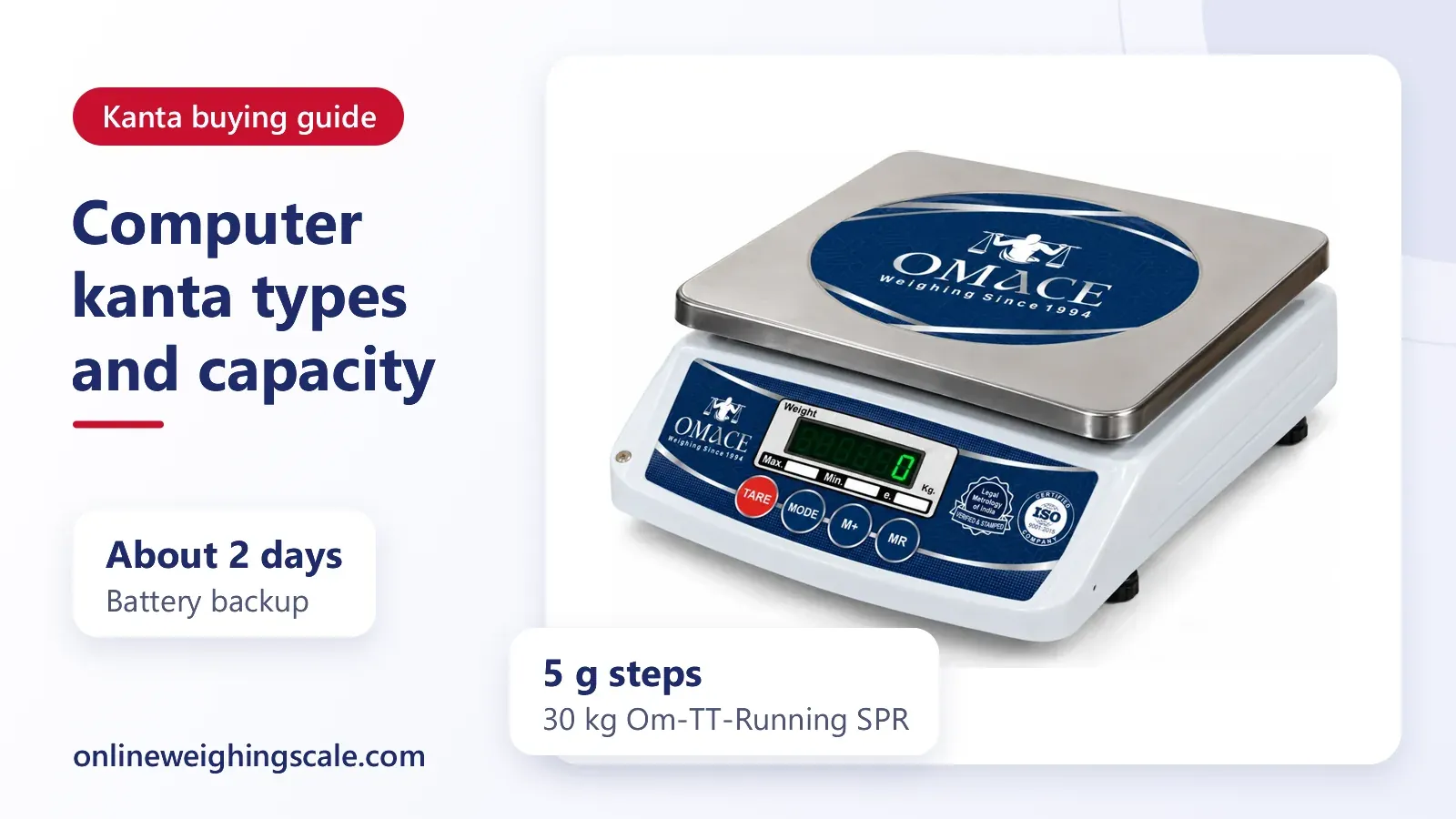
Power matters in a shop where the supply cuts out. A rechargeable machine keeps working through a power cut and does not eat batteries. The Om-TT range has a built-in battery with a backup of about 2 days, charged by plugging the 220 V cord into a socket. The pan should be steel, wide enough for a scoop of grain, and the kanta should sit level, since a tilt changes the reading.
The Om-TT scales weigh only. They do not compute price, so the shopkeeper multiplies weight by rate or uses a calculator. A price computing machine is a different type of scale that shows weight and amount together. If you use one, see price computing scale calibration for checks.
Omace shop scales and today's prices
Omace Brands Private Limited makes the Om-TT shop range at Bagru. The weighing machine for shop range covers each row in the table above. Prices below include GST as of 20 November 2026. All six are accuracy class III and weigh only, with a built-in battery backup of about 2 days.
- Om-TT-Micro Mini: 10 kg x 1 g, double-side green LED, 130 x 160 mm pan, ₹1,995.
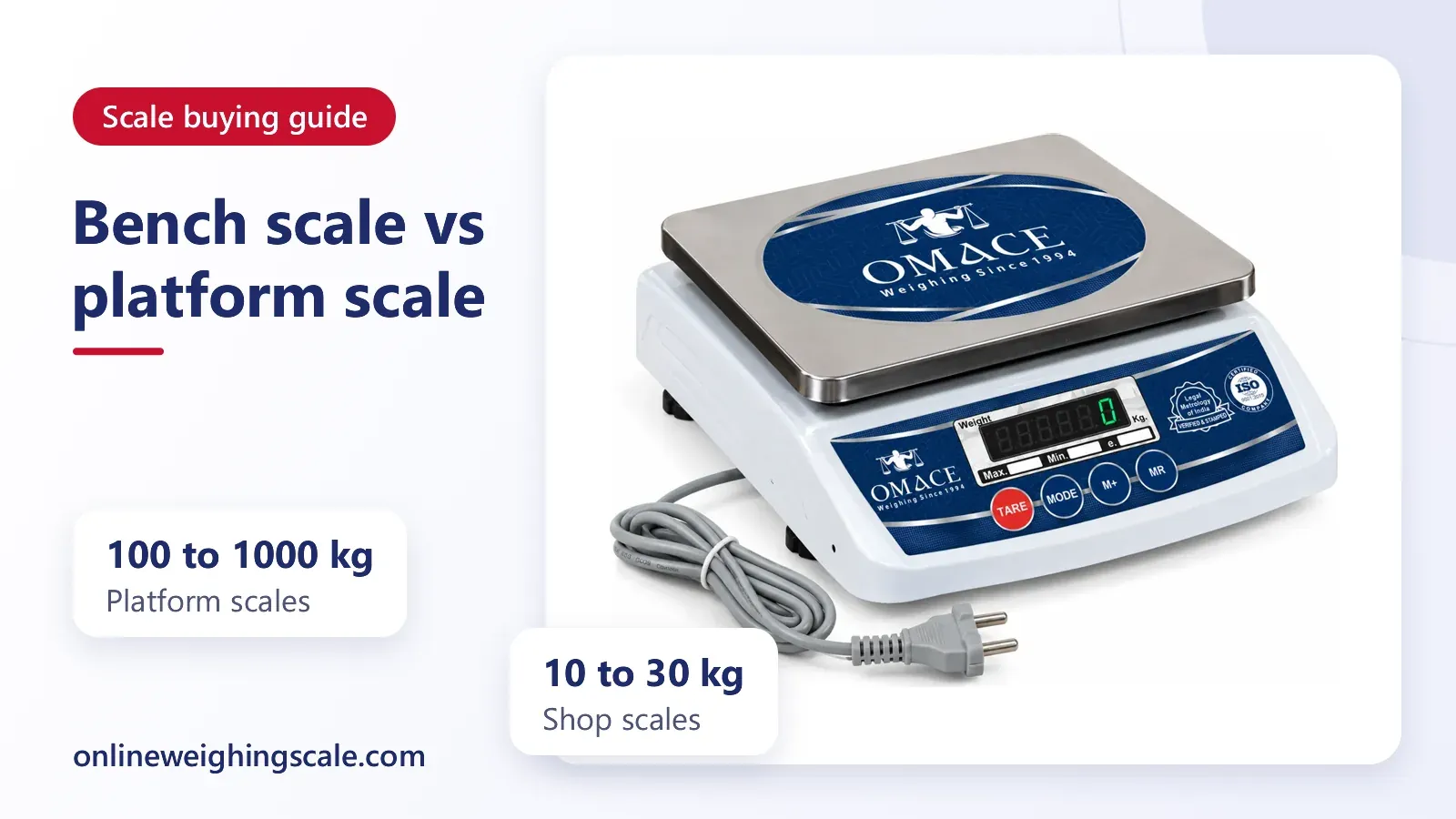
- Om-TT-ECO Kirana Weighing Machine: 10 kg x 1 g or 20 kg x 2 g, double-side green LED, 160 x 190 mm stainless steel pan, ₹2,310. The 10 kg model has its own page at 10 kg kanta for kirana shops, and the 20 kg weight machine is listed separately.
- Om-TT-Mini SPR Double Display: 20 kg x 2 g or 30 kg x 5 g, front and back display, 175 x 225 mm stainless steel pan, ₹2,625.
- Om-TT-Running SPR: 30 kg x 5 g, front and back green LED, 240 x 300 mm stainless steel pan, ₹3,150.
- Om-TT-Mini SPD with pole display: 20 kg x 2 g or 30 kg x 5 g, 175 x 225 mm stainless steel pan, ₹2,730.
- Om-TT-Running SPD Vegetable Weighing Machine: 30 kg x 5 g, pole display, 240 x 300 mm stainless steel pan, ₹3,255.
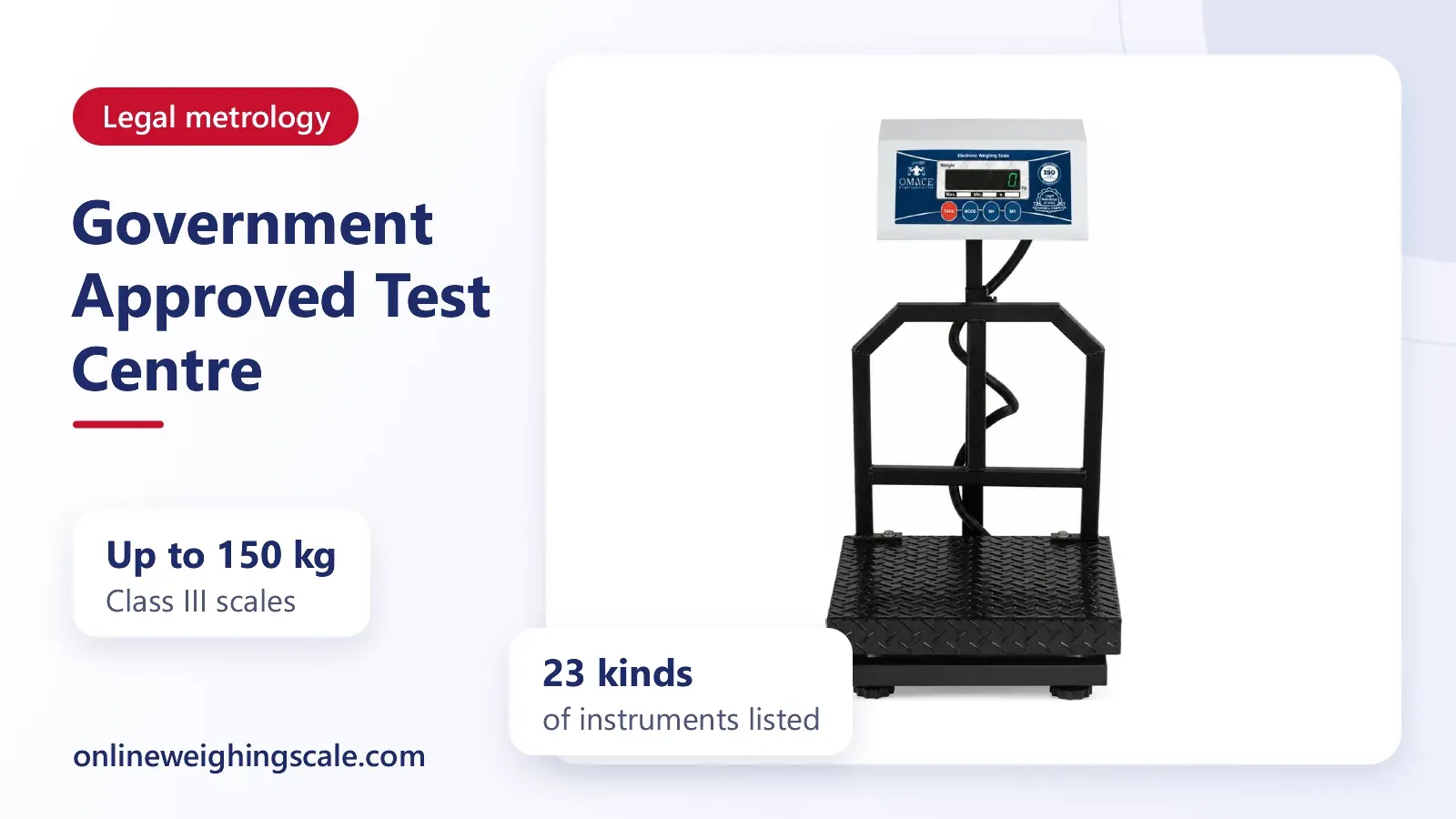
For sacks, the Om-PS-MS Platform Kanta covers 100 kg to 500 kg at ₹6,300, with sizes listed under platform weighing scales. Platform scales need the stamp too, and Omace sends them stamped. A kirana with a godown usually keeps one table-top scale at the counter and one platform kanta at the back.
What to check before you pay
Ask for the verification stamp and certificate on the scale you receive, not a promise to get it done later. Put a known weight on the pan: a sealed 1 kg packet of sugar from a packer is a quick test. Zero the scale with the pan empty and see that the display returns to zero after you lift the goods. Check the warranty terms before you buy. Omace gives a warranty on manufacturing defects for 2 years, and each scale is checked with certified test weights before it is dispatched from Bagru.
If a scale reads wrong, first see whether the problem is a dirty pan, a low battery or an uneven counter. The steps are in weighing scale not working. On Omace digital scales a long press of TARE opens calibration mode on some models and a long press of the M key on others, and the manual for each model shows which, but a stamped trade scale is sealed, so a registered repairer recalibrates it and the shop gets the scale re-verified.
Repair when the scale is old or damaged
Omace Brands Private Limited repairs its commercial scales when the buyer asks. The buyer pays the courier both ways and the cost of the repair, and spare parts depend on availability, so ask first through the contact page before sending the scale. Confirm the stamp after any repair.
Where this fits with a wider shop plan
A kirana is one kind of small retailer. A shop that also sells packed goods, jewellery or loose gold needs different scales, and the best weighing scale for small business and retail guide compares them across trades. If you run several shops or want your own brand on a kanta, Omace Brands Private Limited also works with dealers as an OEM, through private label manufacturing.
The short list to carry to the shop
Choose the capacity by your fastest-moving item. Ask for the stamp and certificate with the scale, and keep them where an inspector can see them. Pick a display that the customer can read, and a rechargeable machine if the power cuts out. Keep the pan clean and the counter level, and book re-verification before the due date on the certificate.