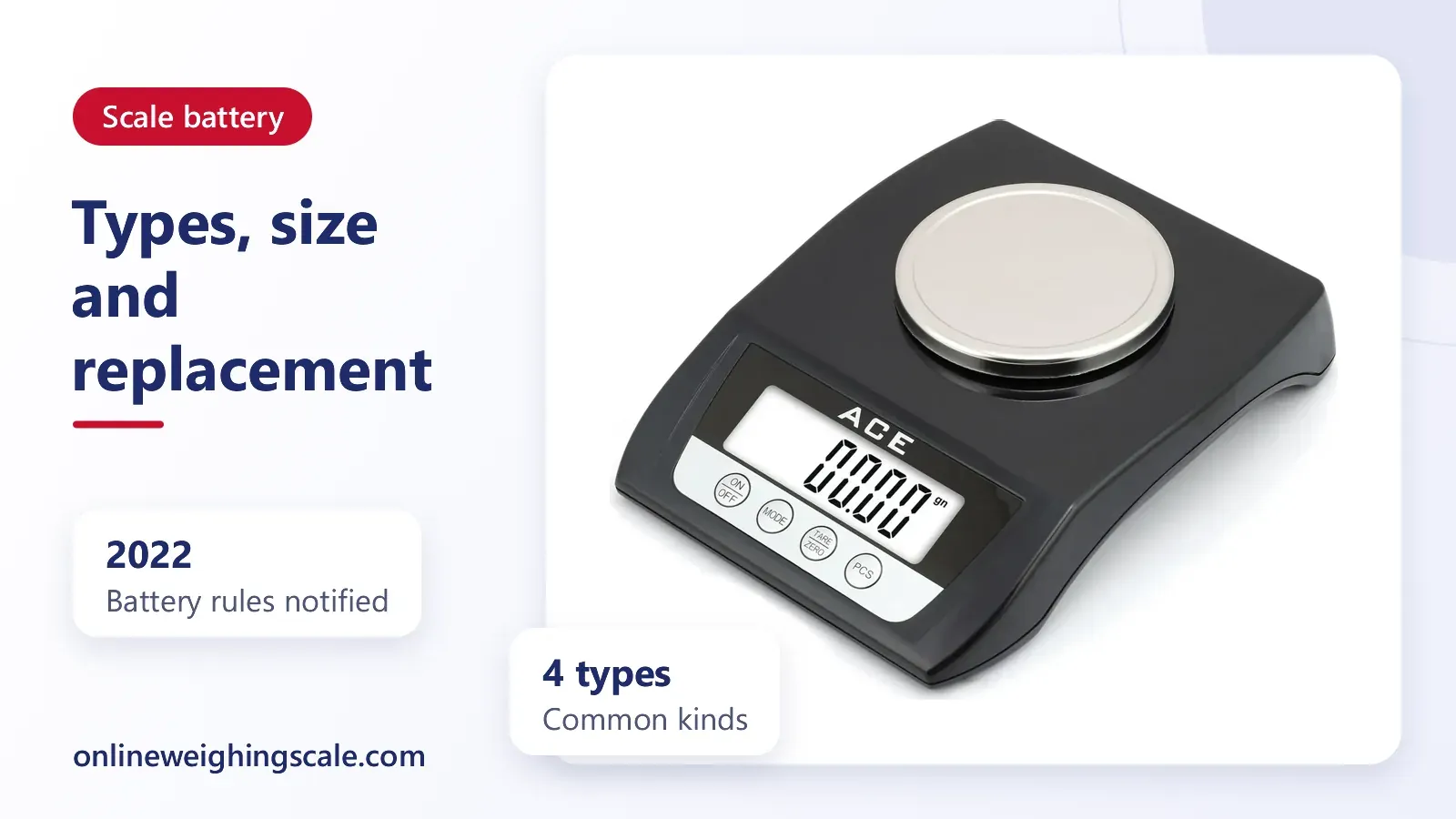
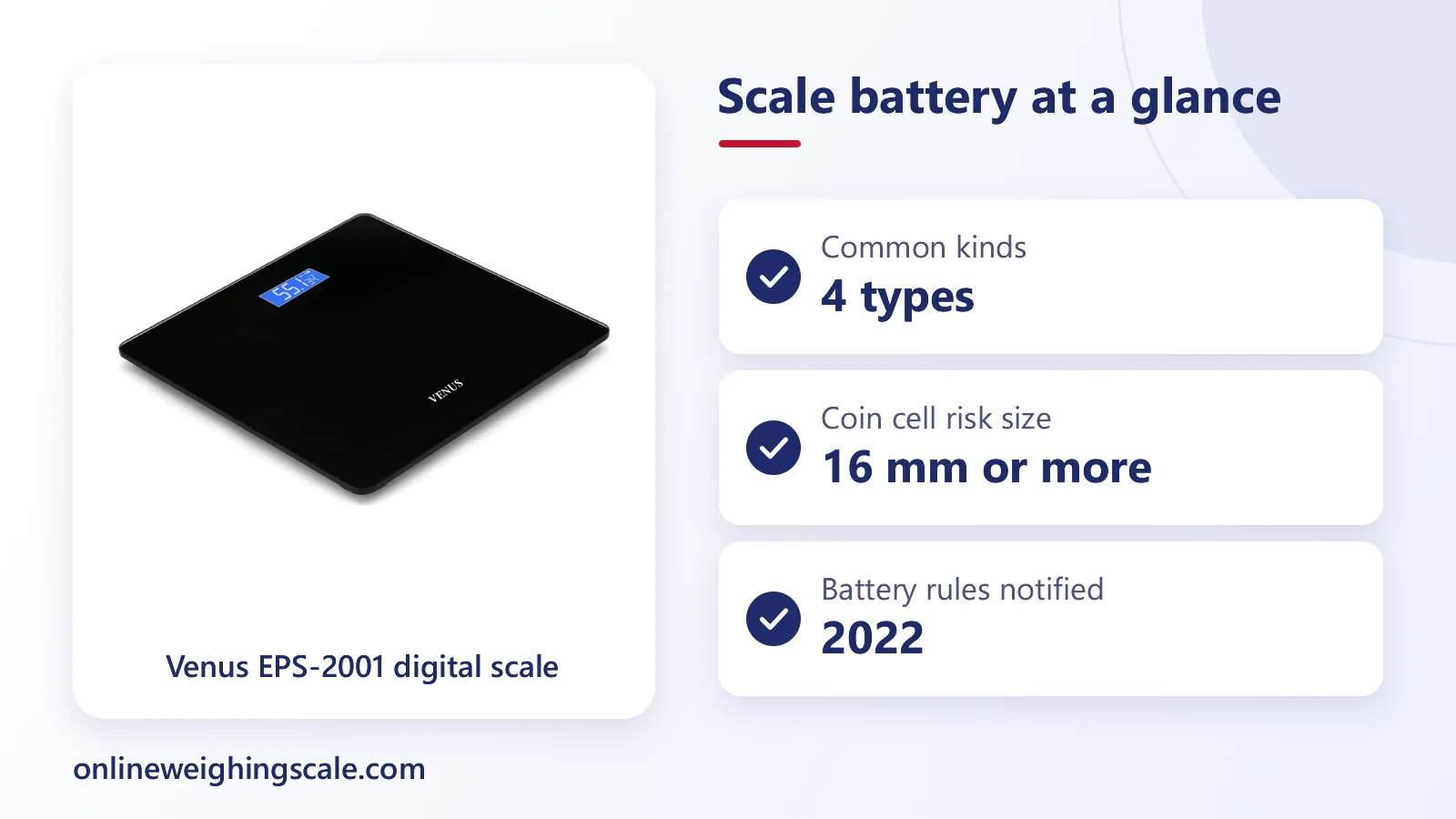
A weighing scale battery is usually one of four kinds: a flat coin cell, AAA or AA cells, a rechargeable pack or a built-in lithium pack. The marking on the battery door or on the cell itself tells you which one your machine takes.
This guide shows where to look for that marking, how a weak battery behaves, how to look after rechargeable packs and what to do with used cells. It also covers coin cell safety around children, which matters in every home.
Which battery is used in a weighing machine?
The battery depends on the size and the job of the scale. A small, low-power display can run on a coin cell. A bigger display with a backlight needs more energy, so it uses AAA or AA cells or a pack you charge.
| Type of scale | Battery you will usually find |
|---|---|
| Glass bathroom scale, personal scale | Flat coin cells or AAA cells, behind a small door under the platform |
| Kitchen scale, glass kitchen scale | Coin cells or AAA cells |
| Luggage scale, pocket scale | Coin cells or AAA cells inside the handle or body |
| Shop scale, kanta, platform scale | Rechargeable sealed pack, with a mains charger |
| Hanging and crane scales with a bright LED | Rechargeable pack |
| Mechanical spring or dial scale | None |
This table is a general pattern. Makers differ, so the only certain answer is on your own scale. Open the battery door and read what is printed there, or read the code printed on the cell you take out.
How to find the right battery for your scale
Turn the scale over. On a personal or kitchen scale you will see a small door or a slot held by one screw. Lift it and look at three things.
- The shape of the cells: round flat coin cells, or long cylinders.
- The size code printed on a cell, for example AAA or AA, or a letter and number code on a coin cell.
- The plus and minus marks in the compartment, which show the direction each cell must face.
Buy the same code again. A coin cell that looks similar but has a different code can sit loose or give a lower voltage, and the display may then misbehave. If the compartment has no marking and the manual is lost, ask the seller or the maker before you guess.
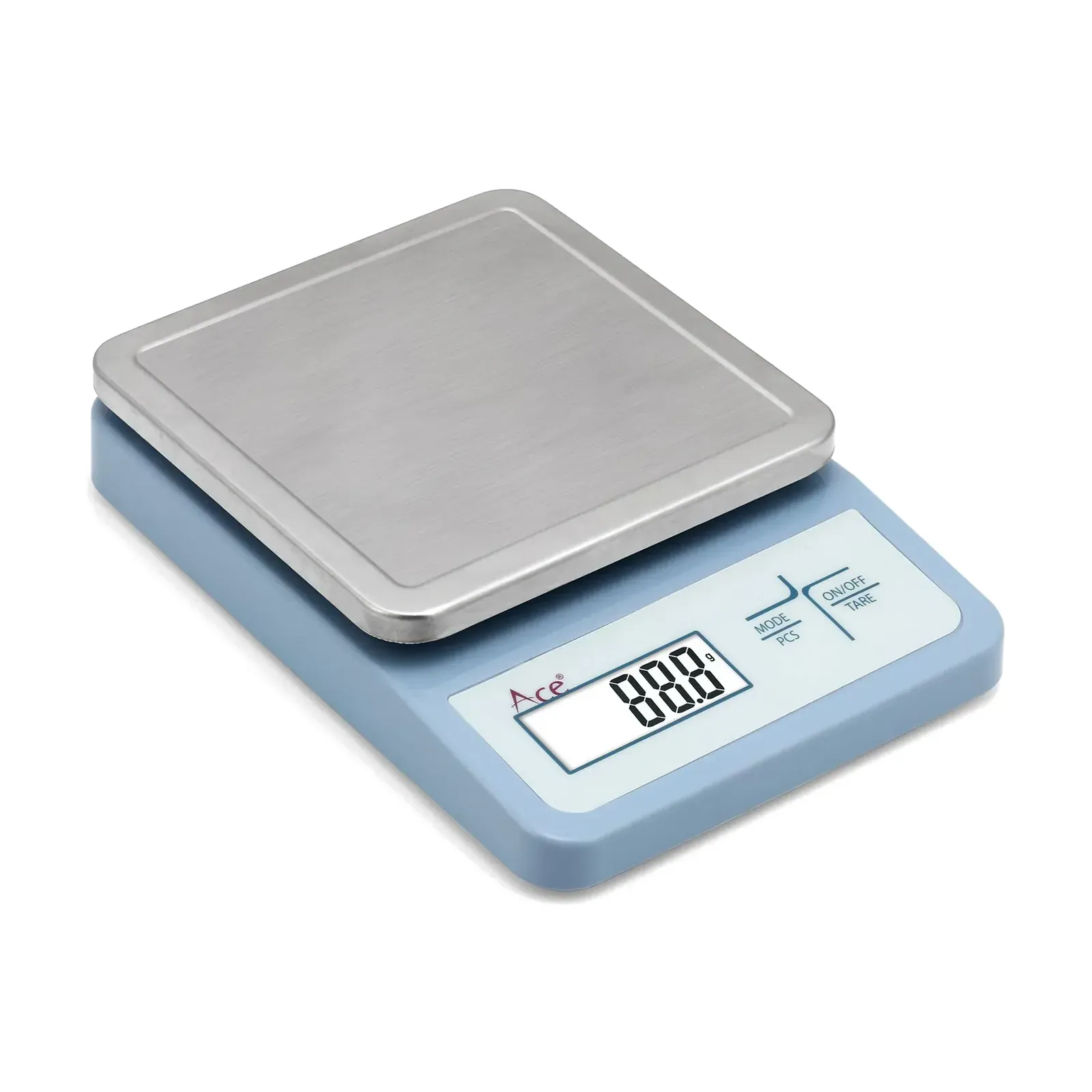
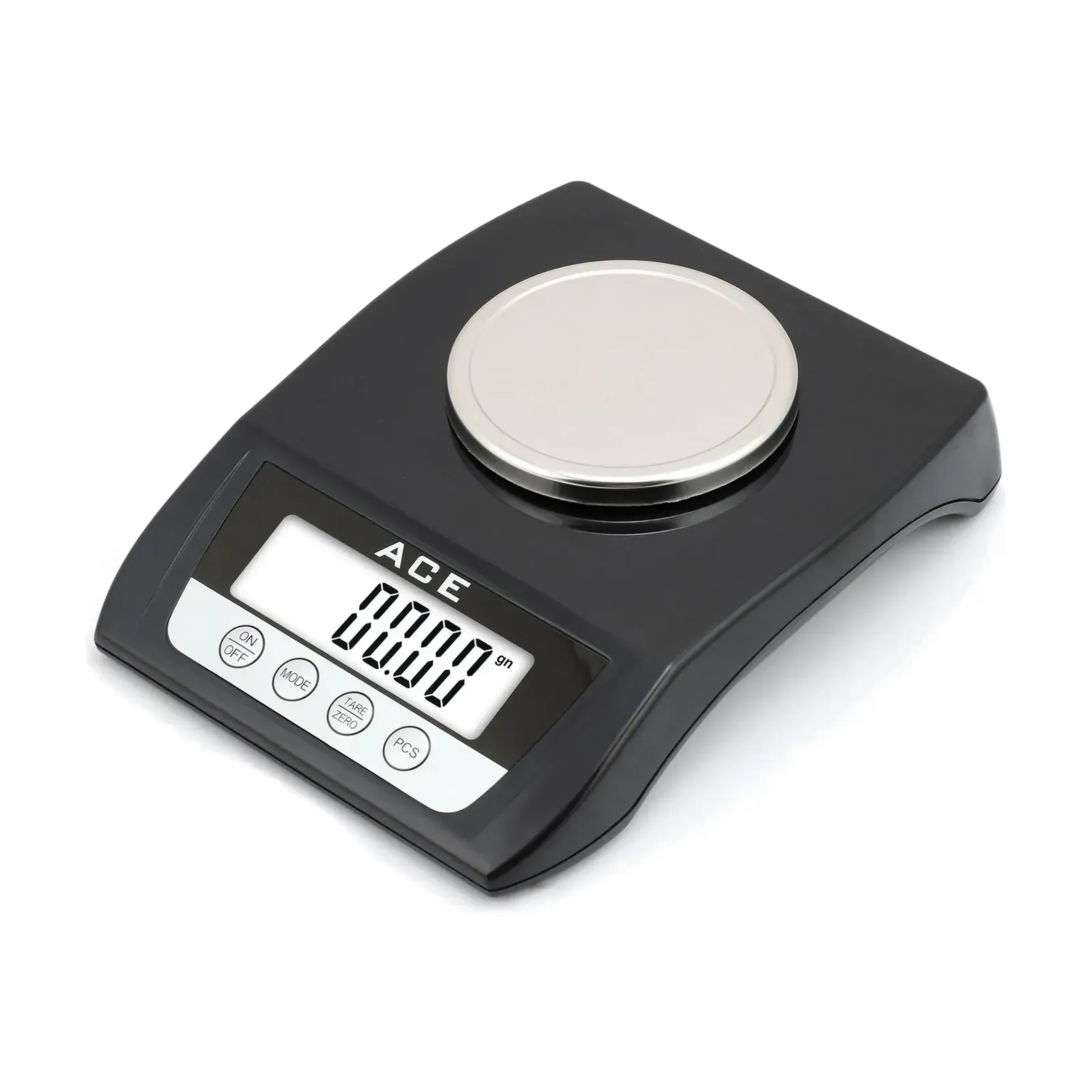
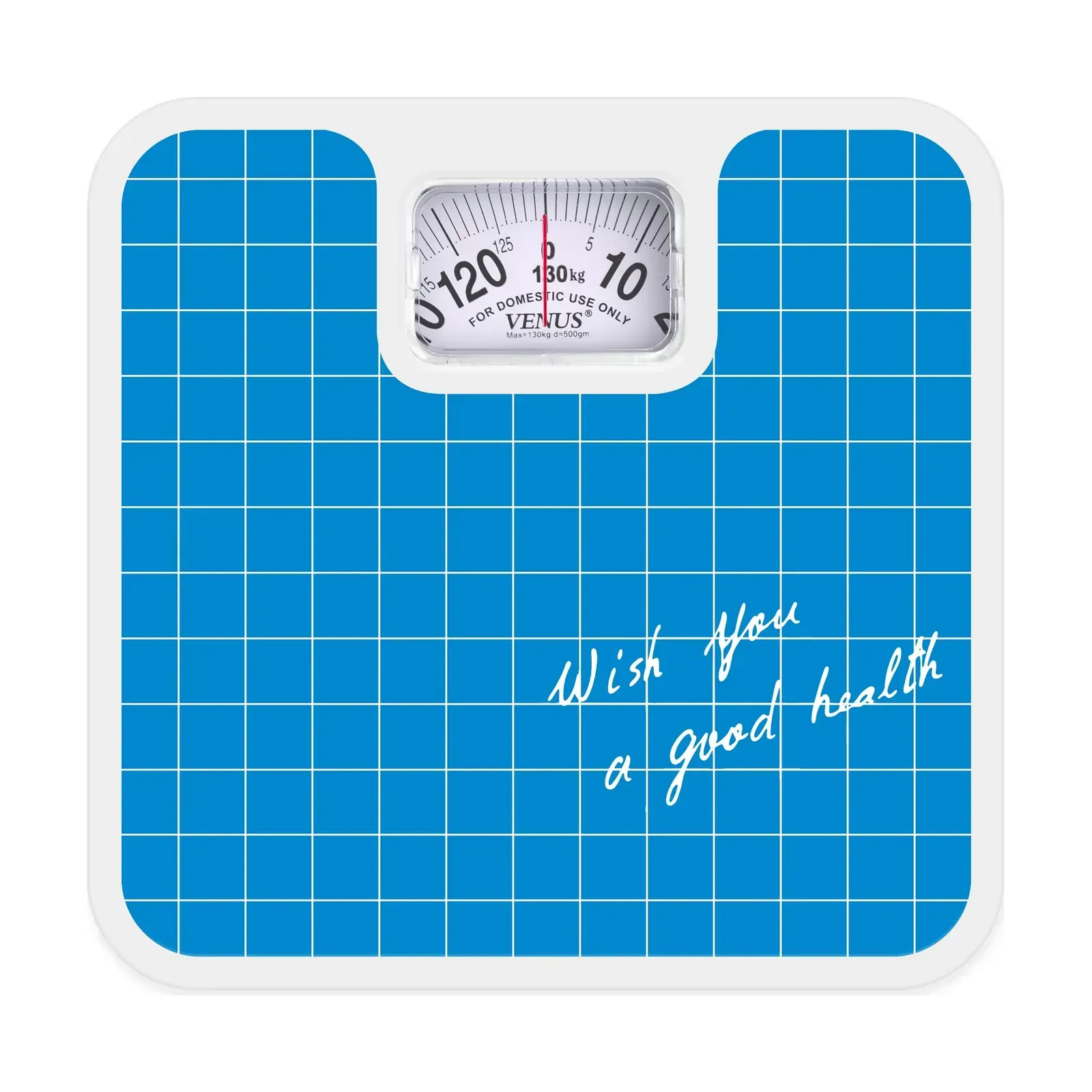
The power source of each Omace model is on its product page. The Venus EPS-6399 bathroom scale and the Hoffen KS-501 glass kitchen scale take two AAA batteries, and so does the Ace MH precision pocket scale. The Hoffen KS-303 coffee scale takes three AAA batteries. Among luggage scales, the HO-L-8 takes two AAA, the HO-L-18 two AA, and the HO-L-5, HO-L-7 and HO-L-9 one CR2032 button cell each. The Hoffen spoon scale also uses one CR2032. The Ace KS-600 Digital Jewellery Scale runs on AAA batteries or an adapter, and the Ace KS-RE Rechargeable Weighing Scale has an inbuilt rechargeable lithium battery charged over USB. The Venus BS-9701 Analog Weighing Scale works on a spring and needs no battery.
Coin cell, AAA, AA and rechargeable packs compared
Coin cells
A coin cell is thin and light, so it suits slim glass scales and small pocket scales. It gives a modest amount of power. Many scales that use one switch off by themselves after a short time to save it.
AAA and AA cells
These are easy to find in any kirana shop in India. They suit kitchen, luggage and pocket scales. Fit all cells of one kind together, and change all of them at the same time.
Rechargeable sealed packs
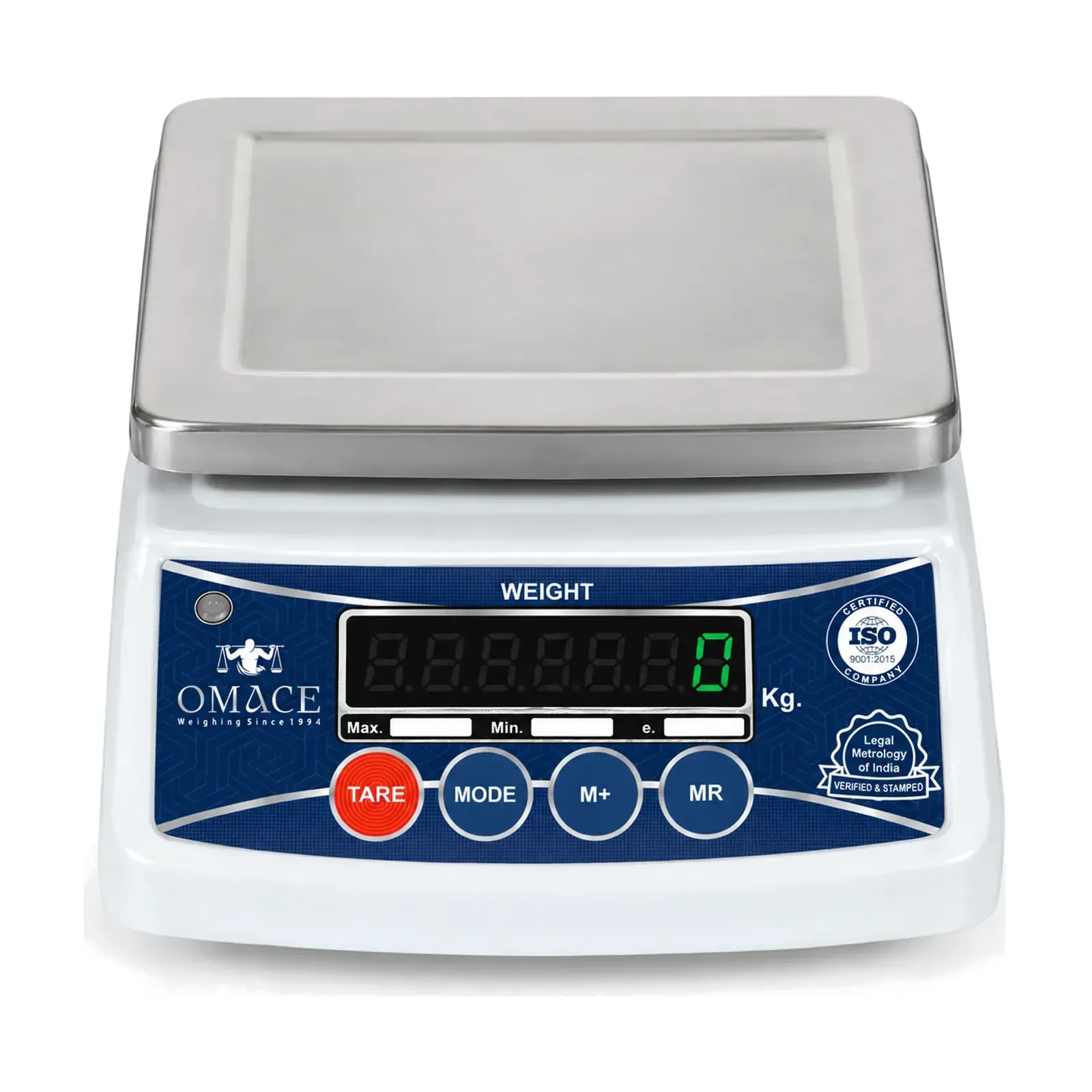
Shop scales, platform kanta and crane scales are used all day, so they carry a larger pack that you charge from the mains. The Omace Om-TT-ECO Kirana Weighing Machine and the Om-CK-SS poultry scale run from a 220 V power cord and carry a built-in battery with a backup of about 2 days for power cuts. The battery charges when the cord is plugged in. The pack chemistry is not stated on the product pages, so read the label on your own pack or ask the maker.
Built-in lithium packs
Some small rechargeable scales, such as the Ace KS-RE, hold a lithium pack that is not meant to be changed at home. If the scale stops holding charge, contact the seller instead of opening it.
Signs of a weak weighing machine battery
A weak battery gives odd behaviour before the display goes blank. Look for these signs.
- The display is faint, or the segments of a digit look broken.
- The scale shows a low-battery symbol, or a message such as Lo.
- The reading jumps or the scale switches itself off when you step on it.
- The scale needs several tries before it comes on.
Change the battery before you decide the scale itself is faulty. A weak battery can mimic many faults that look serious. Our guide on why a weighing scale stops working lists the other causes if a new battery does not help.
No standard number of months applies to every scale, because use, display brightness and cell quality all change it. Treat any figure quoted without a source with doubt.
How to replace the battery step by step
- Switch the scale off and remove it from any load.
- Open the battery door. A coin or a small screwdriver usually works.
- Note which way the plus side of each cell faces, then take the old cells out.
- Clean the metal contacts with a dry cloth if you see white or green powder.
- Fit the new cells in the same direction, matching the marks in the compartment.
- Close the door, switch on and let the scale settle on zero before you weigh.
If the zero is not steady after a fresh battery, place the scale on a flat, hard floor and try again. A scale can also read wrong after a hard knock, which a new battery cannot fix. The Omace calibration guide for a digital weighing scale at home explains what to do next.
Rechargeable packs: charging habits that help
The advice below is general practice for rechargeable shop scales and not a rule for one particular model. Follow the manual of your scale first.
- Use only the charger that came with the scale. A different charger can have the wrong voltage.
- Charge the scale at the end of the day, so it is ready the next morning.
- Do not leave the scale in a hot place such as a tin roof shop at noon, with the charger still attached.
- If the scale will sit unused for weeks, charge it fully once in a while and keep it dry.
- Keep the pack and the charging socket free of water and dust.
A pack that no longer lasts a full shift has reached the end of its life. Omace Brands Private Limited repairs its commercial scales when the buyer asks. The buyer pays the shipping both ways and the repair cost. Spare parts depend on availability, so ask first through the Contact Us page. A scale that is still under warranty should go through the warranty policy first.
Removing cells for storage and handling leaks
Take the cells out of a scale you will not use for a few months, such as a luggage scale kept between trips. A cell left inside for a long time can leak, and the leak corrodes the contacts.
If a cell has leaked, take these steps.
- Wear gloves or use a piece of cloth, and keep the powder away from your eyes and skin.
- Remove the cells and put them in a bag for disposal.
- Wipe the compartment with a dry cloth and let it dry fully before you fit new cells.
- If the contacts are badly corroded, the scale may need a repair.
Store spare cells in a cool, dry place, away from metal objects such as keys and coins.
Coin cell safety around children
Flat coin cells are the cells most often swallowed by small children. The UK government's guidance on button and coin batteries says they can pose a severe health risk, particularly to children and pets, if swallowed. The same page says a child may not choke if they swallow one, yet the battery can do serious internal damage, and that coin batteries are typically 16 mm or more in diameter.
The NHS page on what to do if your child has an accident says that if a child swallows a button battery, or you think they may have, call 999 or go to A&E straight away, because it can cause internal burns and bleeding. In India, go to the nearest hospital emergency at once and do not wait for symptoms.
Keep these habits at home.
- Keep the battery door of the bathroom or kitchen scale closed, and use the screw if there is one.
- Keep spare coin cells out of reach, in their original pack.
- Put used coin cells away at once, not in an open dustbin or on a table.
This is general information. Ask your doctor about your own readings and your child's health.
How to dispose of used scale batteries in India
Used cells hold metals and chemicals that should not reach a landfill or a drain. The Ministry of Environment, Forest and Climate Change notified the Battery Waste Management Rules, 2022, which cover portable batteries among other types. As the Press Information Bureau explains, the rules require producers to collect waste batteries and send them for recycling or refurbishment, and they prohibit disposal in landfills and incineration.
For a household, this means used cells should not go into the ordinary household bin. Keep them in a closed container and hand them to a collection point for batteries. Ask the shop that sold you the cells, or your local municipal body, where such a point exists in your city. Rechargeable packs from shop scales, which are larger, should go back to the seller or a battery dealer.
Rules and collection points change, so check the current position before you act (checked November 2026).
Choosing a scale with the battery in mind
If you weigh at a shop all day, a rechargeable scale saves the cost and the trouble of buying cells again and again. A kitchen or bathroom scale used for a minute at a time does well on a small cell. A scale you carry on trips needs cells that are easy to find. Browse the luggage scales if you travel often.
Omace Brands Private Limited, in the weighing trade since 1994, makes scales at G-29 RIICO Industrial Area, Bagru, Jaipur. Every scale is checked with certified test weights before dispatch. The cell question is easy to settle: open the battery door, read the marking and buy the same.