A weighing scale for a gym has to take heavy daily use, show the number clearly and give the same reading every time a member steps on it. Omace Brands Private Limited, a scale maker in Bagru, Jaipur, rates its personal scales at 180 kg, which covers most members.
This guide is for gym owners, trainers and dieticians who run a weigh-in corner. It covers what to look for in the scale, where to put it, how to keep readings comparable from week to week and how to read the numbers without over-reading them. Your members' weight is information for them and their doctor. A scale does not judge anyone, and the gym should not either.
What a gym scale actually needs
A home bathroom scale is used by three or four people. A gym scale may be stepped on by sixty people in a week, often with wet feet and gym shoes still on the floor beside it. The list below is short because only a few things matter.
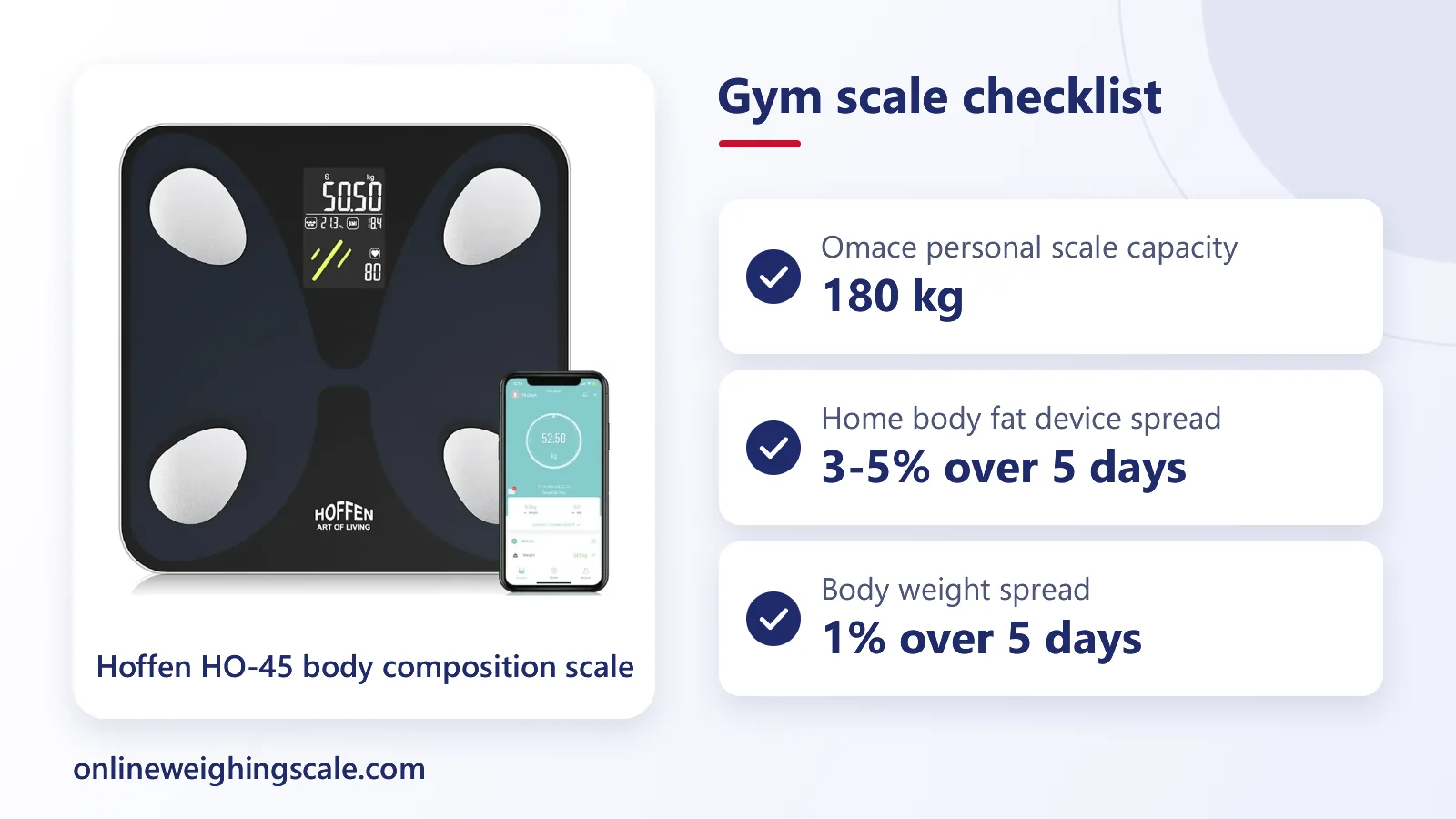
- Capacity. Check the maximum load printed on the scale. Omace Brands Private Limited lists its personal scales at 180 kg. A heavier member should not be asked to try a scale rated below their weight, because readings near the limit are unreliable.
- A large, clear display. Members read the number standing up, from above. A backlit LCD with big digits saves repeated questions at the desk.
- A solid platform. A flat, non-slip top matters more than looks. Tempered glass looks smart but gets slippery when a barefoot member steps on it with sweaty feet; a ribbed or steel top is safer in a gym.
- Sturdy legs or feet. Four feet that sit flat and do not wobble. Scales that rock on a tile edge give different numbers on each step.
- Easy to wipe. Steel, ABS or glass wipes down quickly between members. Fabric or carpet-like tops hold sweat.
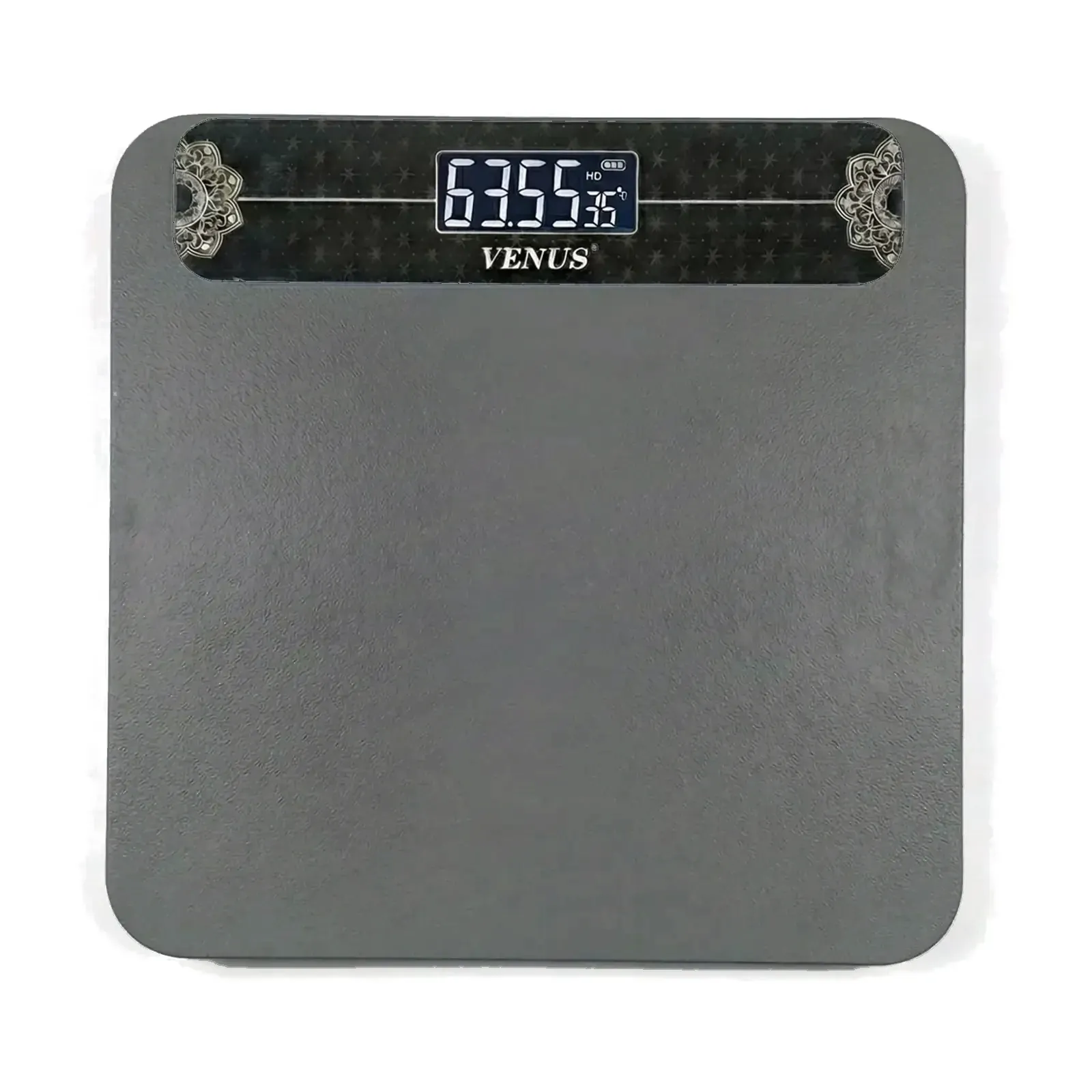
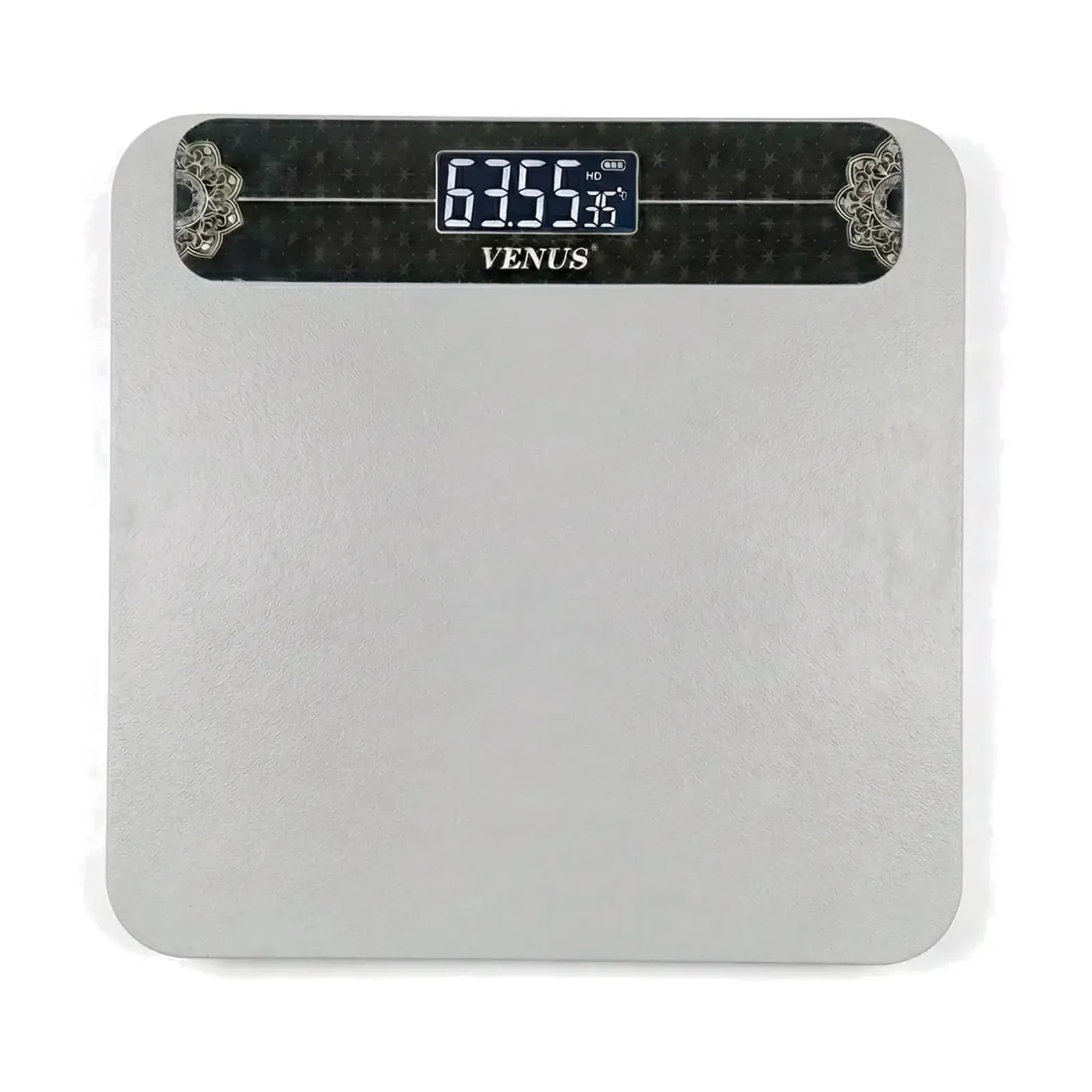
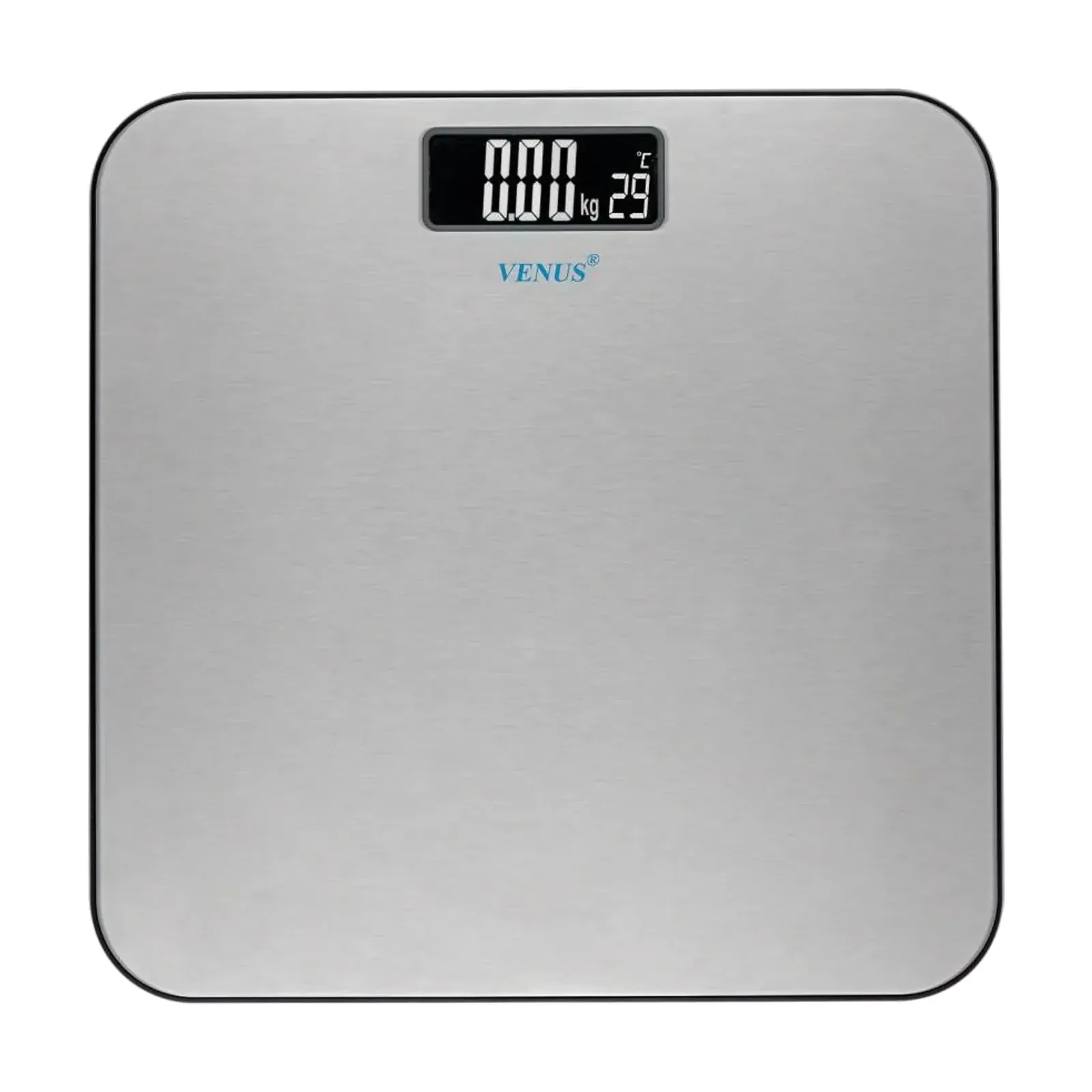
Among the models in the Omace store, the Venus EPS-304 (M) Heavy Duty Weighing Scale is a tough steel scale at ₹998, and the Venus EPS-4699 Stainless Steel Weighing Scale at ₹1,149 has a 30 x 30 cm platform. Both are rated to 180 kg with a backlit LCD. For more choices, see the full personal weighing scale range on the shop.
Plain weight scale or body composition scale
Most members only want to know their weight. A plain digital scale does that job and is the better first purchase for a gym with a small budget.
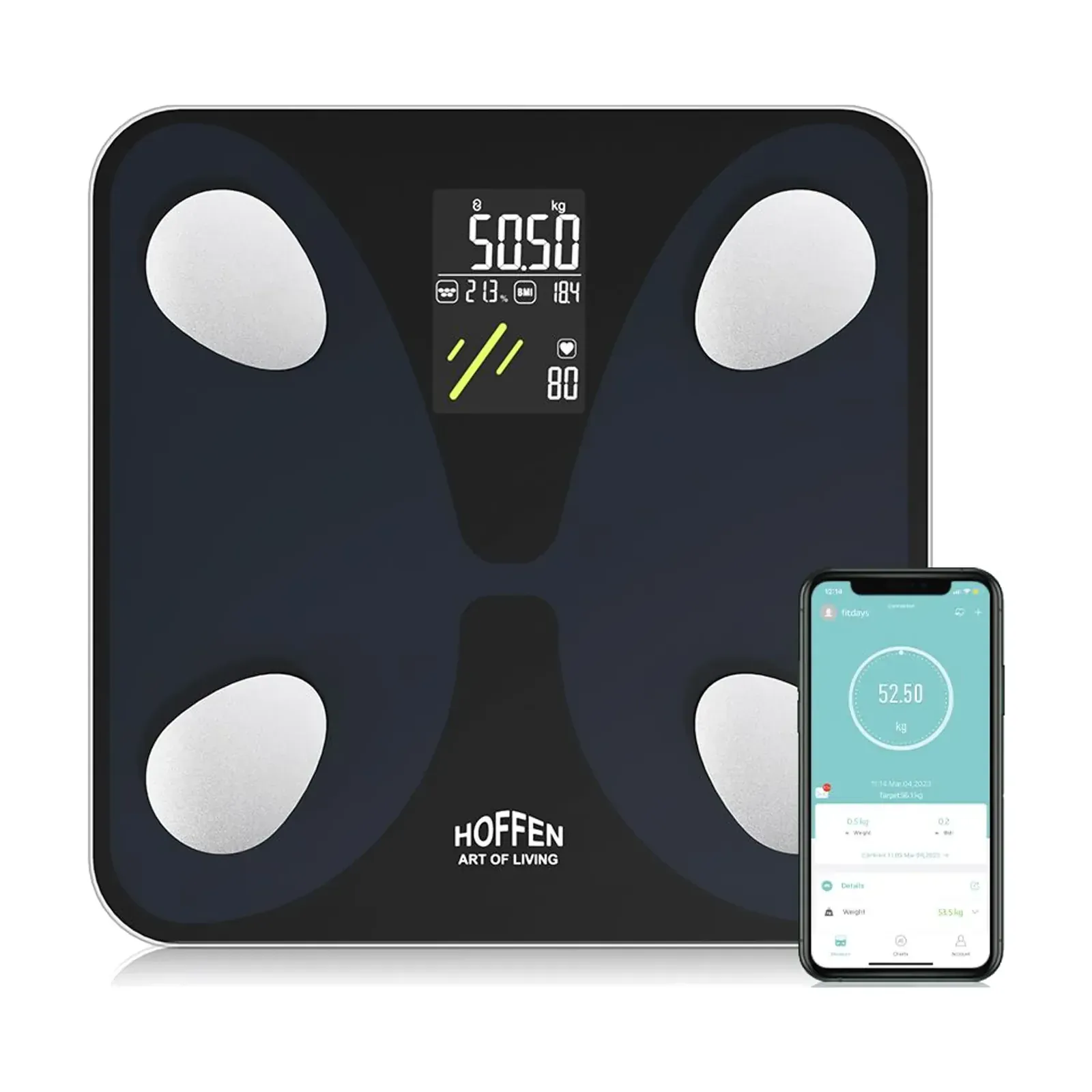
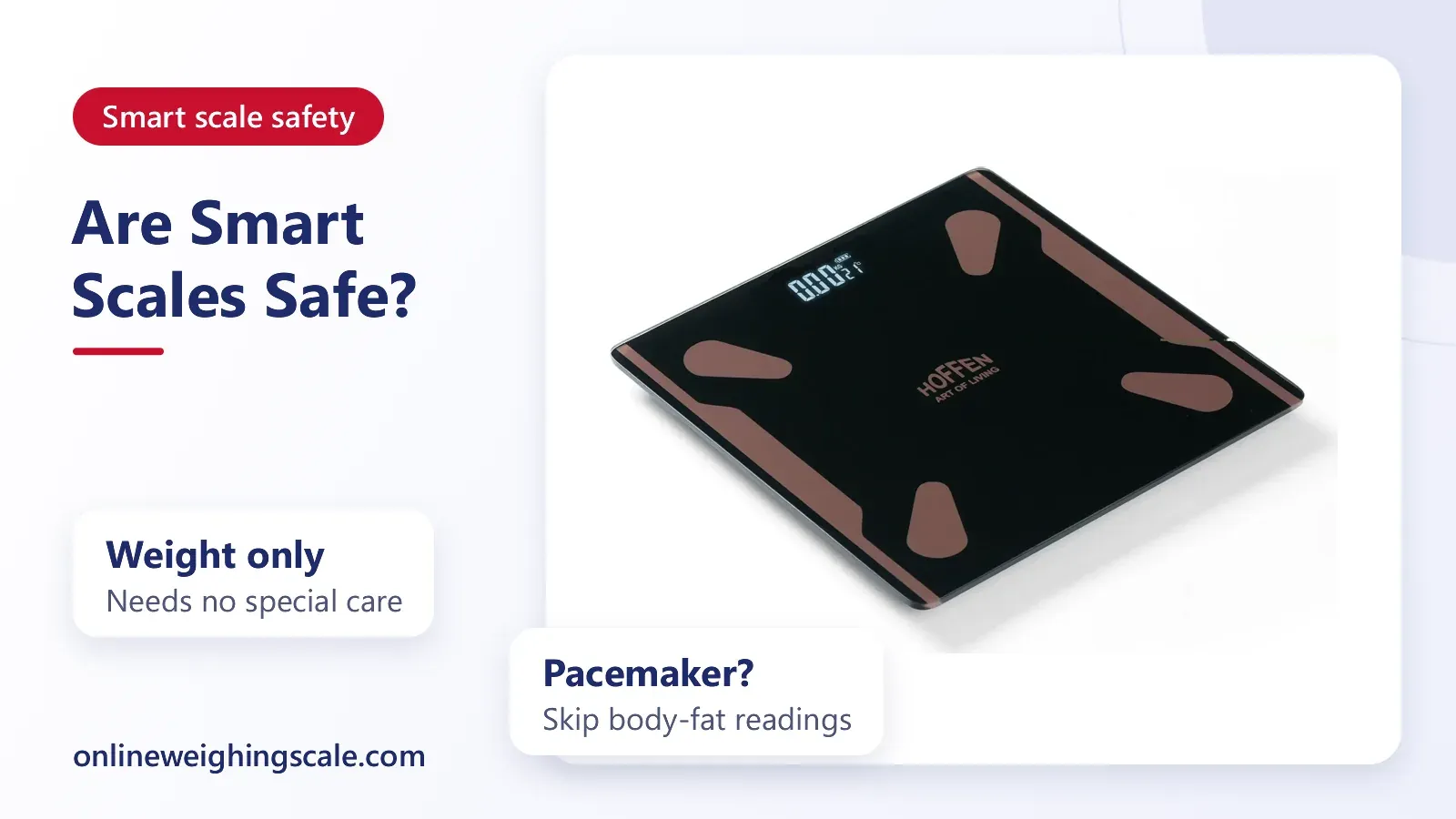
A body composition scale adds estimates such as body fat percentage and muscle on top of weight. Omace Brands Private Limited lists the Hoffen HO-36 Body Fat Analyzer Scale at ₹1,569 and the Hoffen HO-45 Smart Body Composition Scale at ₹2,619. Their product pages list muscle mass, body water and visceral fat among the readings, and the HO-36 lists BMR as well. These suit a trainer who wants to show a member how a number moves over weeks.
Treat every body composition figure as an estimate. A 2003 study by Lukaski and Siders, listed on PubMed (NIH), tested two commercial home-type body fat devices against a DXA scan in 110 adults. In 10 adults weighed on five consecutive days, the body fat reading varied by 3 to 5 percent for the foot-to-foot type and 2 to 10 percent for the hand-to-hand type, while body mass varied by only 1 percent. The authors concluded that using such devices to assess body fatness is limited by a lack of precision and accuracy. In short, weight is the steadier number, and body fat from a home scale is a rough guide. Our post on how accurate smart scales are goes deeper, and the lean body mass guide explains the terms.
For a gym floor, a sensible plan is one plain, rugged scale for everyone and a body composition scale used by appointment for members who ask for it.
Add a height measure
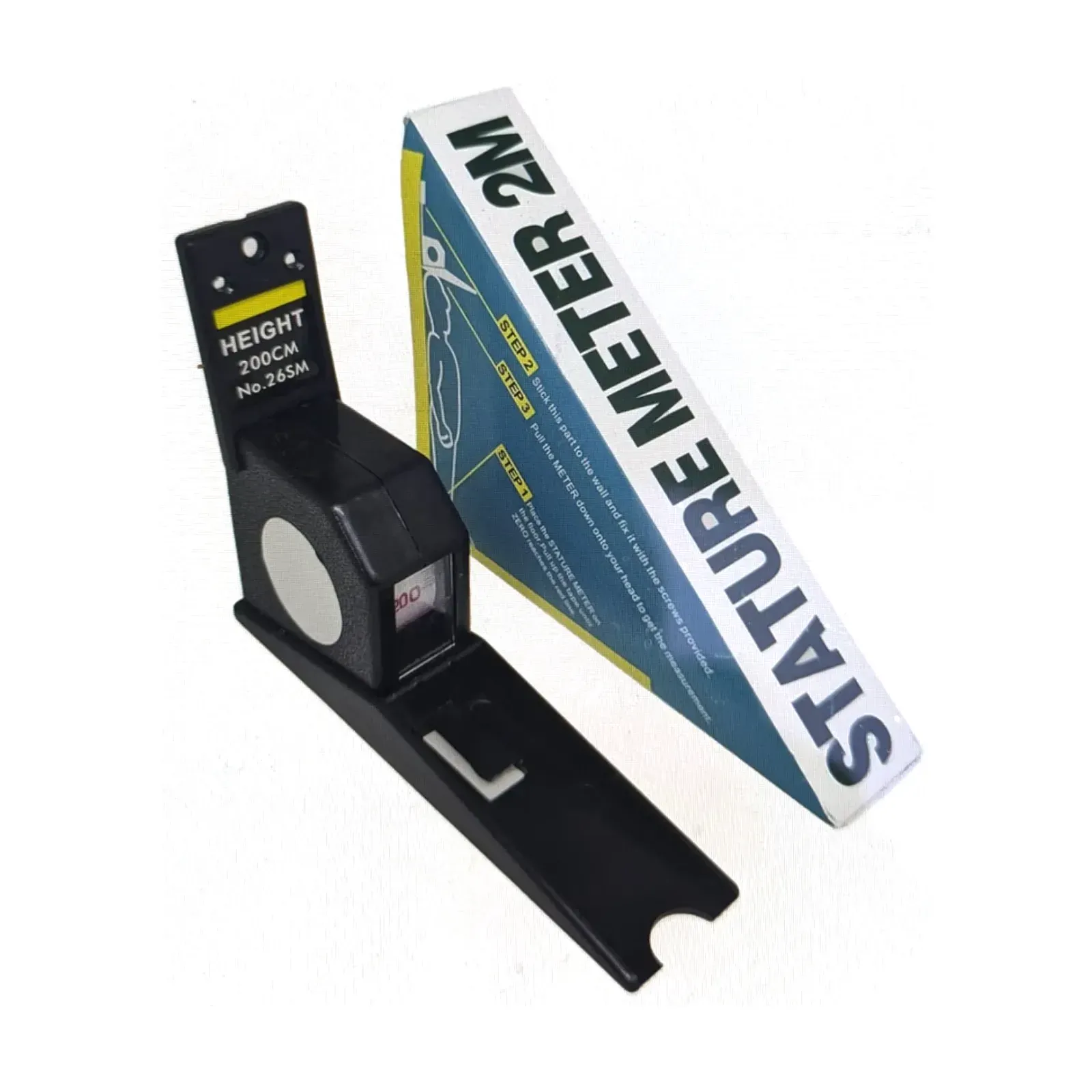
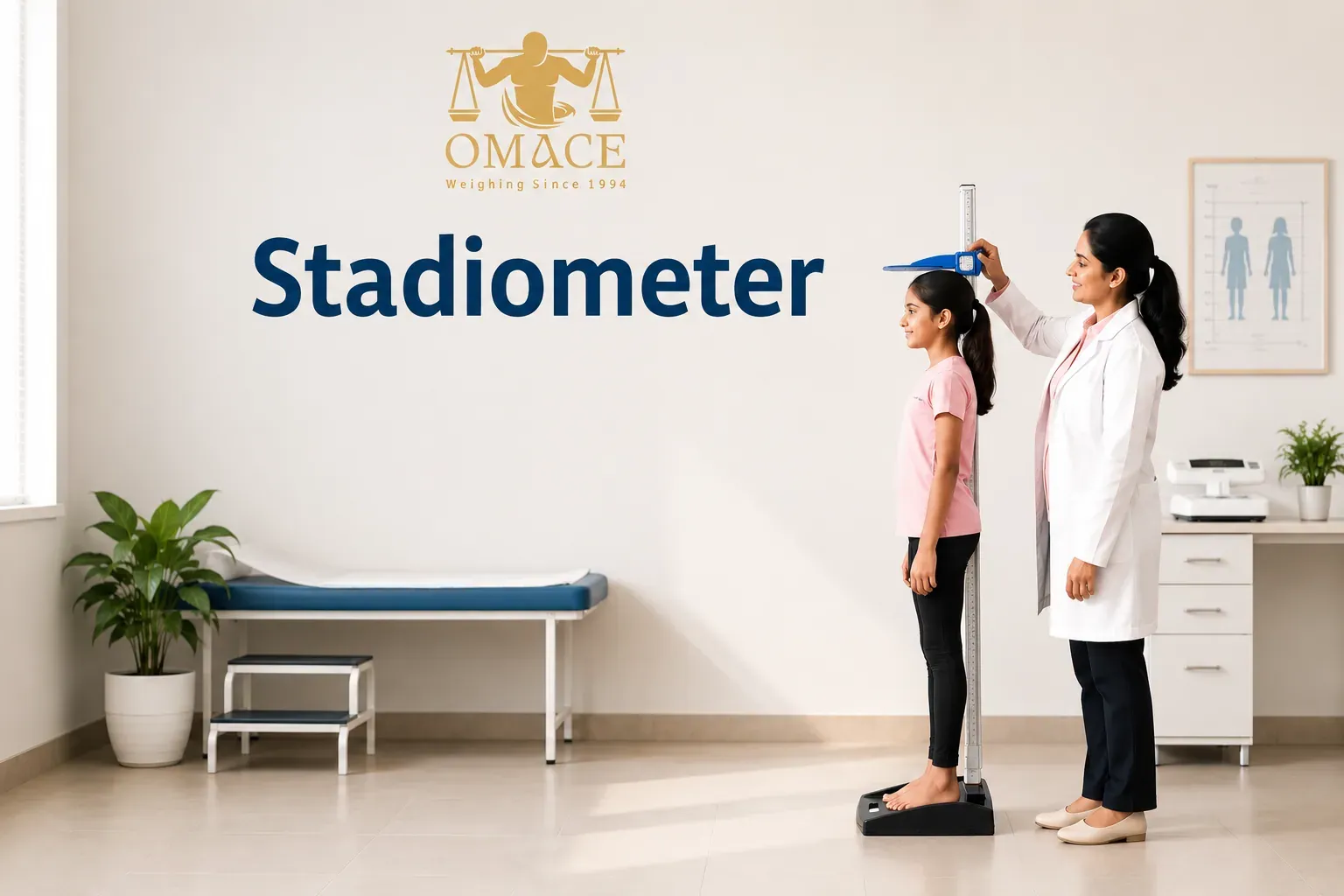
Weight alone says little. Height lets you work out BMI, and a gym that records both has a better starting record for each member. A wall-mounted ICDS-SDM Stature Meter costs ₹1,049 and a ICDS-SDM Portable Stadiometer costs ₹1,569. Stick the wall unit to a straight wall where the floor is flat, with no skirting board in the way. Members stand with heels against the wall and eyes level.
Omace Brands Private Limited also lists an Ultrasonic Height and Weight Machine, a 200 kg body composition analyser with voice and app, at ₹17,849. That is a bigger purchase, and it suits a large gym or a clinic-style wellness corner more than a small studio.
Members can also work out their own BMI with the free BMI calculator on this site. The post on BMI weighing machines explains what the number means.
Where to keep the scale
Where the scale sits changes its readings as much as which scale it is.
- Hard, level floor. Tile, stone or concrete. A carpet, a rubber gym mat or a yoga mat under the scale lets it sink on one side and gives a lower or unsteady reading. Foam flooring has the same problem.
- Same spot every time. If the scale moves from tile to tile, a slightly tilted floor can change the number. Mark the spot with tape.
- Away from weights and wet areas. A corner near the changing room is better than the free-weights area, where a dropped dumbbell can knock the scale out of order. Keep it clear of the water cooler and the shower floor.
- Privacy. Many people dislike being weighed in front of others. Put the scale behind a partition, a screen or in a trainer's cabin. Show the reading only to the member. Do not call out numbers across the floor.
Omace Brands Private Limited tests its scales on the bench in Bagru with certified test weights before dispatch (see tested before dispatch), and every Omace product may say Made in India. Even so, a scale that is moved around the gym needs a quick check now and then.
Same time, same conditions for members
If you want a member's weight to tell a story, the conditions of each weigh-in should be the same. The weight of the same person moves through the day with meals, water, sweat and the toilet. A reading taken straight after a hard session, when the member has sweated a lot, is not comparable with a reading taken before breakfast.
A simple routine works for most gyms.
- Weigh the member at the same time of day on the same day of the week.
- Ask the member to wear similar light clothing, and to remove shoes, belt, watch and the phone from the pocket.
- Let the member step on and stand still until the display stops changing.
- Note the number in a register or app, with the date and time.
Our best time to weigh yourself post covers the time-of-day question in detail. The same study above is a reminder that body fat figures wobble more than weight does, so a fixed routine helps both.
Reading the numbers with members
Trainers often turn a weigh-in into a target. A kinder habit is to treat the scale as one piece of information among several. A member who has gained muscle may weigh more and look leaner, and the scale will not say which has changed.
BMI is the usual number to calculate from weight and height. The US Centers for Disease Control and Prevention lists adult BMI categories as under 18.5 for underweight, 18.5 to under 25 for healthy weight, 25 to under 30 for overweight and 30 or more for obesity. The CDC describes BMI as a screening measure, and a doctor decides what a figure means for a person. The UK's NHS obesity page says a BMI calculator cannot tell the difference between muscle and fat, so a muscular person can land in the overweight range without much body fat. The same NHS page says adults of South Asian background face health risks at a slightly lower BMI, and uses 23 to 27.4 for overweight and 27.5 or higher for obesity for them.
These charts are references only. A scale or a body composition machine does not diagnose anything, and a doctor decides what a reading means for a person. A gym should never tell a member that a number means a disease.
This is general information. Ask your doctor about your own readings.
Keeping the scale accurate
A gym scale is stepped on far more than a home scale, so check it more often. Once a month, weigh a known object. A sealed 5 kg or 10 kg plate, if its mass is printed on it, is a handy check, though plates can differ slightly from their label. Put it on the scale alone or hold it while standing, and compare the difference. If the reading is off by more than you accept, recalibrate or replace the scale.
On Omace digital scales a long press of TARE opens calibration mode on some models and a long press of the M key on others, and the manual for each model shows which. Our guide to calibrating a bathroom scale lists the steps. Omace Brands Private Limited factory-calibrates its scales and replaces one under warranty if it reads wrong, and the warranty covers manufacturing defects for 2 years.
Other habits that keep it reliable:
- Wipe it with a slightly damp cloth, never a wet one, and dry the top. Do not spray liquid into the gaps.
- Do not stack equipment on it or let someone jump onto it.
- Replace weak batteries early, because low batteries cause blank or flickering displays.
- Keep it flat in storage, not leaning against a wall.
A short buying checklist for the gym owner
| Question | What to look for |
|---|---|
| How many members use it? | One plain, rugged scale per weigh-in corner |
| Largest member weight | Capacity above it, such as 180 kg |
| Do you want body fat figures? | A body composition scale, used as a trend guide only |
| Do you record BMI? | Add a stature meter or stadiometer |
| Where will it stand? | Hard, level floor, with privacy |
For a gym with many machines, the gym machines guide lists what else belongs on the floor. If you run a chain or want your own brand name on the scales, Omace Brands Private Limited also makes personal scales to order, which you can ask about on the private label personal scale page.
Questions about the scale after you buy
If a scale stops working properly, our post on why a weighing scale is not working lists the common causes. Omace Brands Private Limited repairs its commercial scales when the buyer asks, and the buyer pays the shipping both ways and the repair cost. Spare parts depend on availability, so ask first on the contact page. That offer does not cover home personal scales.
To compare the personal range side by side, see the types of weighing scale guide. A scale in the right place, weighed at a fixed time, tells a member far more than a fancy one used at random.